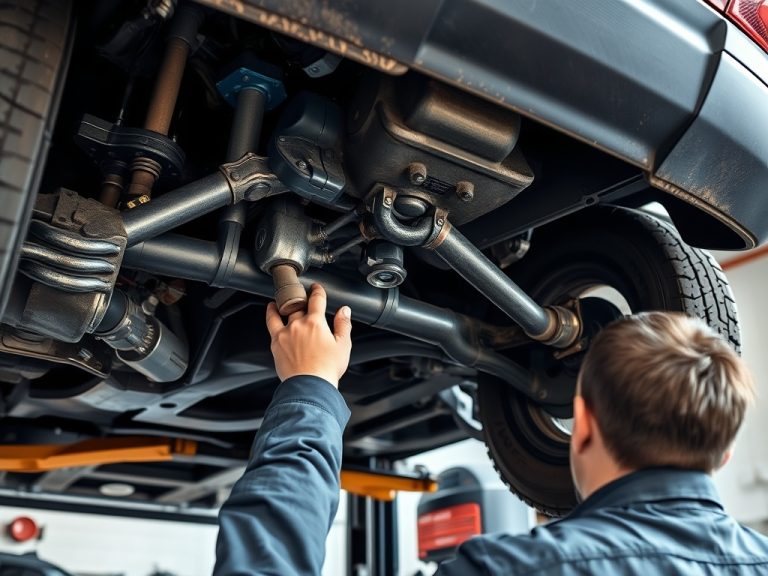
Direct answer: walnut blasting can restore lost performance when intake valve carbon buildup is a confirmed problem, especially on some gasoline direct-injection engines. It will not fix every hesitation, misfire, rough idle, or power complaint, so diagnosis should come before cleaning.
TL;DR: Walnut blasting is a mechanical cleaning process. A technician removes the intake manifold, closes the valves for the cylinder being cleaned, and uses crushed walnut-shell media to remove carbon deposits from intake valves and ports. The media is abrasive enough to clean deposits but softer than many metal surfaces when used correctly. The process still requires care, sealing, vacuum extraction, and service information.
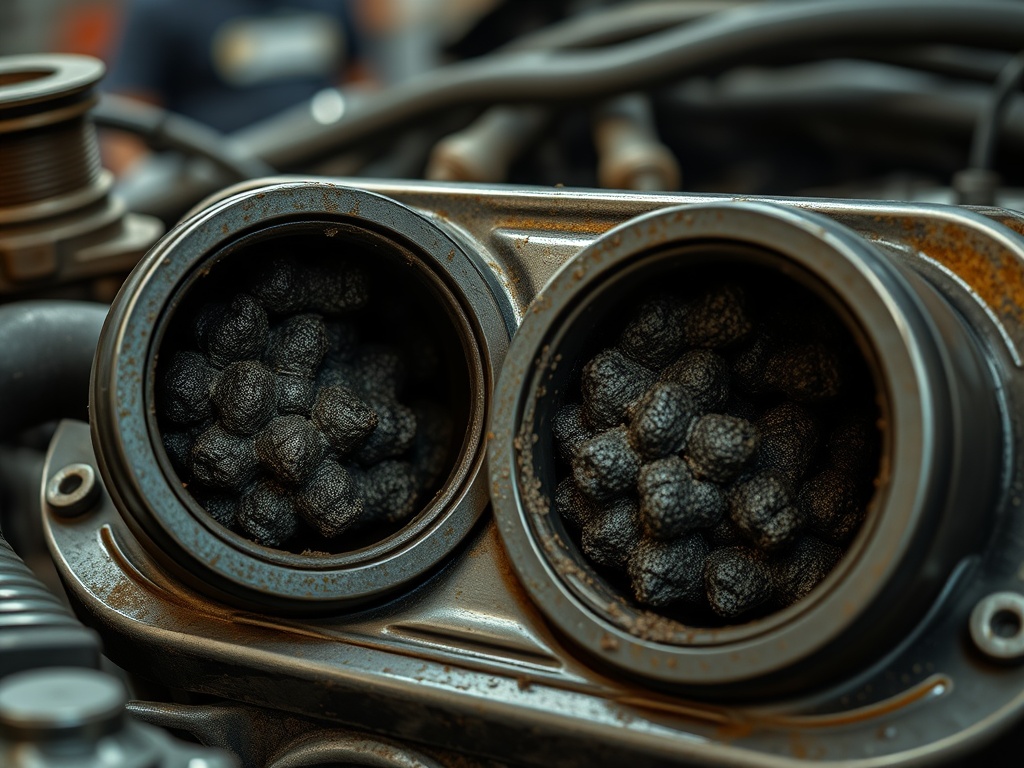
- The reason this service exists is tied to engine design. In many port-injected engines, fuel passes over the intake valves and can help wash away some deposits. In gasoline direct-injection engines, fuel is injected directly into the combustion chamber, so the back side of the intake valves may not get the same cleaning effect. Oil vapor from the crankcase ventilation system and exhaust gases from emissions systems can contribute to deposits over time.
When Carbon Deposits Steal Performance
The reason this service exists is tied to engine design. In many port-injected engines, fuel passes over the intake valves and can help wash away some deposits. In gasoline direct-injection engines, fuel is injected directly into the combustion chamber, so the back side of the intake valves may not get the same cleaning effect. Oil vapor from the crankcase ventilation system and exhaust gases from emissions systems can contribute to deposits over time.
Symptoms that may be associated with intake valve deposits include rough cold starts, unstable idle, hesitation, misfires, reduced response, poor fuel economy, or a check engine light. Those symptoms are not exclusive to carbon buildup. Coils, plugs, injectors, vacuum leaks, compression issues, fuel delivery, software, and sensor faults can feel similar from the driver’s seat.
A good shop should confirm the need before recommending walnut blasting. That may include scan data, misfire counters, fuel trims, service history, smoke testing for vacuum leaks, ignition checks, and in some cases borescope inspection of the valves. If the estimate appears after a five-minute listen with no evidence, ask what test supports the recommendation.
A Society of Automotive Engineers paper describes how gasoline direct-injection engines can develop intake valve deposits because fuel no longer washes the valve backs in the same way as port injection.
Since coverage can be unclear for cleaning services, review prepaid maintenance plan terms before assuming carbon cleaning is included.
Cleaning Methods, Evidence, and Expectations
| Symptom | Walnut blasting may help if… | Look elsewhere if… |
|---|---|---|
| Rough idle | Borescope or test data shows heavy valve deposits | Vacuum leak or ignition fault is present |
| Misfire | Misfire pattern matches affected cylinders and deposits are visible | Coils, plugs, injectors, or compression test poorly |
| Lost response | Airflow and fuel data support restricted intake flow | Transmission, turbo, or software issues are suspected |
| Check engine light | Codes align with deposit-related combustion problems | Codes point to unrelated circuits |
Walnut blasting often helps when deposits are heavy and accessible, but it is not permanent. Deposits may return because the underlying engine architecture and operating conditions remain. Driving pattern, oil quality, PCV function, short-trip use, and maintenance history can influence how quickly symptoms come back. That does not make the service useless. It means expectations should be realistic.
Chemical cleaners can be helpful in some intake systems, but they may not remove hardened deposits on the back of direct-injection valves. Pour-in fuel additives generally cannot wash surfaces that fuel never touches. Professional cleaning methods vary, and the right choice depends on the engine design, deposit severity, access, and manufacturer guidance.
Walnut blasting is often discussed like a performance upgrade, but it is better understood as corrective maintenance for a confirmed restriction. The goal is to restore normal airflow and combustion stability, not to create power beyond the engine’s healthy baseline.
Ask whether the shop will replace intake gaskets or seals disturbed during access. Reusing a questionable gasket can create a vacuum leak that feels like the original complaint. The estimate should show what sealing parts are included and what is optional.
The service is also a chance to look for related causes. PCV problems, oil leaks into the intake tract, neglected oil service, or abnormal blow-by can speed deposit formation. Cleaning without checking contributing conditions may shorten the benefit.
The decision should also consider access risk. Some engines require brittle plastic clips, aging hoses, or packed engine-bay components to be moved before cleaning can begin. A careful estimate allows for gaskets and small parts that may reasonably be disturbed during access.
Performance expectations should be tied to symptoms. A smoother cold idle is a realistic goal when deposits were causing cold misfires. A dramatic transformation on a vehicle with clean valves, worn plugs, or a transmission issue is not realistic.
Ask about before-and-after evidence. Photos through a borescope, idle data, misfire counters, or technician notes can support the recommendation and the result. Evidence is especially helpful because the cleaned parts are hidden again once the intake is reassembled.
If the vehicle has high mileage, combine the carbon conversation with spark plugs, coils, vacuum leaks, and fuel-system checks. Several small issues can stack together, and cleaning one area may only partially improve the complaint.
For turbocharged or performance-oriented engines, ask whether boost leaks, charge pipes, intercooler hoses, or software faults were considered. Carbon buildup may be real, yet another air-path or control issue can produce the same “lost power” story.
If the shop recommends cleaning without a check engine light, ask what drivability complaint or inspection finding justifies it. Preventive cleaning can be reasonable in some cases, but it should be presented as maintenance judgment, not as an urgent proven failure.
If poor windshield clearing or HVAC behavior is the actual complaint, the next useful topic may be defroster diagnosis rather than engine cleaning.
Deciding if Walnut Blasting Is Worth It
Cost drivers include intake manifold access, gasket replacement, media setup, number of cylinders, inspection time, and whether other repairs are needed at the same time. Some engines are straightforward; others require more labor because of packaging. The estimate should include what will be replaced, what will be cleaned, and how the shop prevents media from entering open cylinders.
After service, the driver should notice smoother idle or better response only if deposits were truly causing the symptom. The shop may clear adaptations or perform relearns depending on vehicle requirements. If misfires return quickly, the next step is not another cleaning by default. It is renewed diagnosis to find ignition, fuel, air, compression, software, or mechanical causes.
Will walnut blasting increase horsepower?
It may restore lost performance if deposits were restricting airflow or causing combustion instability. It should not be sold as a guaranteed power upgrade for every vehicle.
How do I know deposits are the issue?
Ask for supporting evidence such as scan data, misfire patterns, fuel trims, vacuum checks, or borescope images where practical.
Do deposits come back?
They can. Engine design, PCV condition, oil quality, driving pattern, and maintenance habits all influence how quickly deposits return.
Practical next step: Match the symptom to evidence, keep service records, and approve the repair path only after the shop explains what was tested, what was found, and what result should be verified afterward.