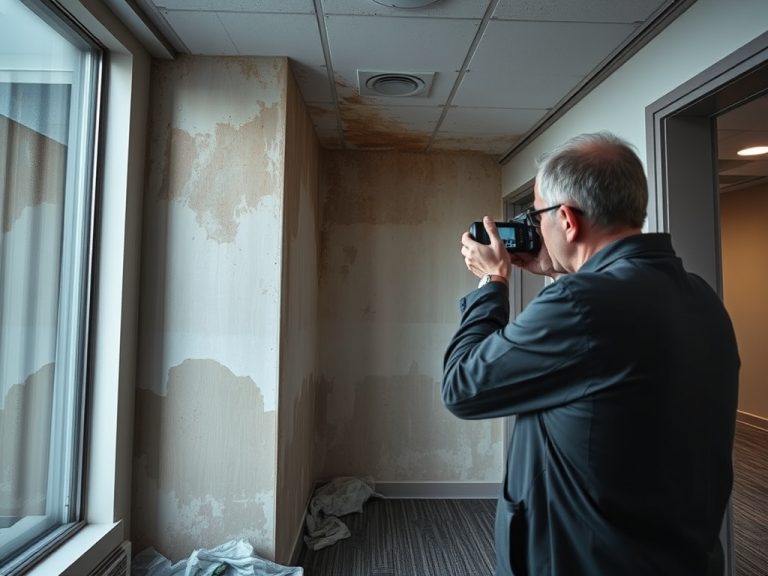
Material moisture content matters in wood construction because wood changes dimension, strength characteristics, fastener behavior, finish performance, and decay risk as moisture conditions change. Good moisture control helps reduce callbacks, finish defects, and hidden deterioration, but it must be matched to the project, climate, and material.
Wood moisture takeaways for project teams
- Wood gains and loses moisture as conditions change, and that movement can affect framing, flooring, trim, fasteners, coatings, and enclosure performance.
- Moisture content should be considered during storage, installation, enclosure drying, finish work, and maintenance, not only after a defect appears.
Wood is a material that responds to its environment
Wood is hygroscopic, meaning it can absorb and release moisture from the surrounding air. The USDA Forest Products Laboratory Wood Handbook explains wood as an engineering material and covers moisture relationships, drying, gluing, finishing, decay, and other performance topics. For builders, the practical lesson is simple: wood installed too wet, stored poorly, or covered before it dries can create problems later.
Those problems may include cupped flooring, gapped trim, nail pops, swollen panels, cracked finishes, mold concerns, decay in vulnerable assemblies, or poor coating adhesion. None of these outcomes is automatic. They depend on wood species, product type, exposure, detailing, ventilation, drying time, finish system, and maintenance.
Where moisture enters the construction process
Moisture can affect wood before delivery, during storage, during framing, after weather exposure, during enclosure, and during building operation. Lumber may arrive at an acceptable moisture range but become wet on site. Sheathing may be rained on before roofing is complete. Trim may be installed before interior humidity is stable. Flooring may be delivered before the HVAC system can condition the space.
Documentation matters because a later dispute often asks what conditions existed at the time of installation. Cost codes can help separate moisture-related rework from ordinary finish labor, but field notes, delivery records, photos, and moisture readings are what make the history clear.
Moisture checks by project stage
| Project stage | Moisture concern | Useful control |
|---|---|---|
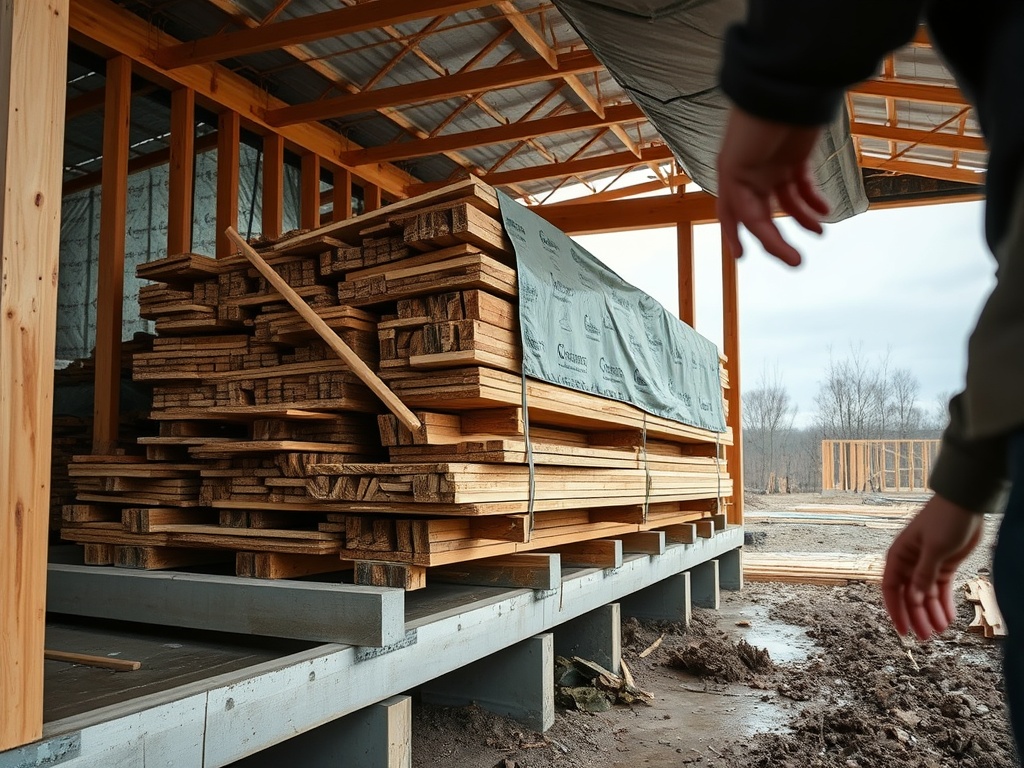
| Delivery and storage | Wet materials, ground contact, poor ventilation, torn wrapping. | Store off the ground, protect from bulk water, and allow airflow. |
| Framing | Rain exposure, trapped water, swollen sheathing, hidden wet pockets. | Inspect before covering and allow drying when needed. |
| Interior finishes | Trim, flooring, cabinetry, and doors reacting to site humidity. | Condition the space and acclimate materials per manufacturer instructions. |
| Operations | Leaks, condensation, irrigation, or high indoor humidity. | Maintain drainage, ventilation, and leak response practices. |
Why moisture affects finishes and fasteners
When wood changes moisture content, it can shrink or swell across the grain. That movement may stress paint, caulk, flooring, trim joints, panel edges, and fastener connections. In finish work, small changes can be visible because joints and reveals are tight. In structural work, moisture concerns should be evaluated by qualified professionals when they may affect design assumptions, connection performance, or durability.
Restrooms, kitchens, laundry areas, exterior walls, decks, crawlspaces, and roof edges deserve extra attention because moisture exposure is more likely. The same root cause thinking used for recurring restroom caulk and grout failures applies to wood: do not keep repairing the visible joint without asking why materials are moving or staying wet.
Common misconceptions about wood moisture
- “It looks dry” is not the same as a measured moisture condition.
- A short rain event does not automatically ruin wood, but trapped moisture can create risk.
- Acclimation is not the same for every product, climate, or finish material.
- Covering wet framing can hide problems until finishes fail.
- Moisture meters are useful tools, but readings should be interpreted with material, calibration, and field conditions in mind.
- Hot work near wood framing or dust still needs controls, so coordinate with welding safety best practices when construction methods overlap.
Questions before wood is covered or finished
Ask whether the wood has been exposed to bulk water since delivery. Photos, weather records, delivery tickets, and supervisor notes can help distinguish normal site exposure from conditions that required drying or replacement. The answer matters most before insulation, drywall, flooring, or coatings hide the material.
Ask whether the building environment is stable enough for the next trade. Interior wood trim, doors, cabinetry, and flooring can react poorly if installed before the space is reasonably conditioned. Manufacturer instructions should guide acclimation, storage, adhesive use, and acceptable installation conditions.
Ask who is taking readings and how they are recorded. Moisture meters can support decision-making, but readings should be linked to location, material, meter type, surface condition, date, and interpretation. A number with no context can create false confidence or unnecessary concern.
Ask whether the enclosure is managing water as designed. Roof leaks, missing flashing, poor drainage, wet crawlspaces, condensation, and trapped construction moisture can all affect wood after it is installed. Moisture content is not only a carpentry issue. It connects to envelope design, HVAC operation, and maintenance response.
Ask what the plan is when readings are not acceptable. The response may include drying time, added ventilation, dehumidification, material replacement, delayed finishes, or professional evaluation. The team should document the decision rather than relying on informal approval in the field.
Storage planning deserves the same attention as installation. Keep wood products off wet ground, protect them from rain, avoid trapping water under non-breathable coverings, and provide airflow where appropriate. Materials should be inspected when covers are removed because hidden wetting can occur even when the outside of a bundle looks acceptable.
Seasonal movement should be explained to owners during handoff. Some minor wood movement can be normal as a building reaches stable operating conditions, but recurring swelling, staining, odor, or decay indicators require investigation. Clear maintenance notes help owners know when to monitor and when to call a professional.
Coordination with mechanical systems is also important. New buildings can hold construction moisture, and indoor humidity may remain unstable before permanent HVAC operation begins. Temporary heat without ventilation can worsen moisture problems in some conditions, so drying strategies should be selected by people who understand the building enclosure and indoor environment.
For exterior wood, maintenance continues the moisture-control plan. Paint, stain, flashing, end-grain sealing, clearances, gutters, and drainage all influence long-term wetting and drying. Owners should receive product and maintenance information rather than assuming exterior wood will perform without periodic attention.
When uncertainty remains, pause before covering the work and get project-specific advice. A short delay for review can be less costly than removing finished surfaces later.
A practical moisture-control handoff
Project teams should decide who checks moisture-sensitive materials, when readings are taken, how results are documented, and what conditions must exist before enclosure or finish installation. The next step is to add moisture checkpoints to the project quality plan and maintenance handoff. That small habit can help owners distinguish normal material movement from preventable water exposure.