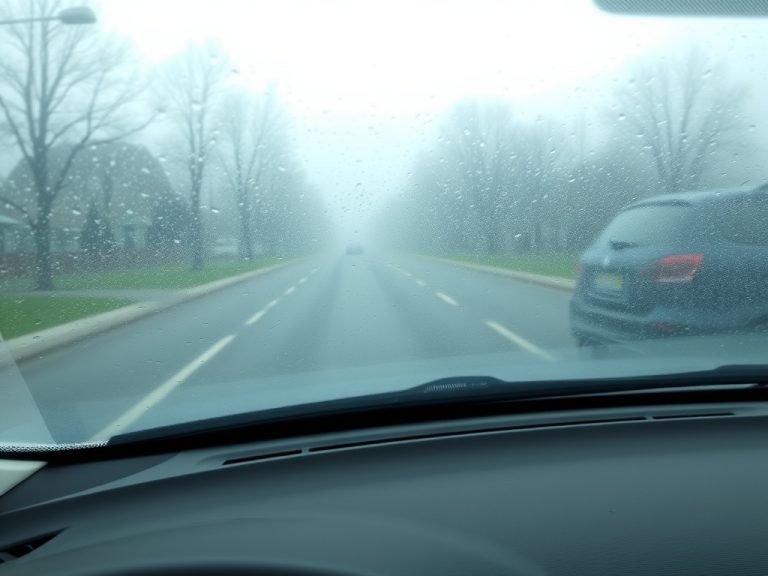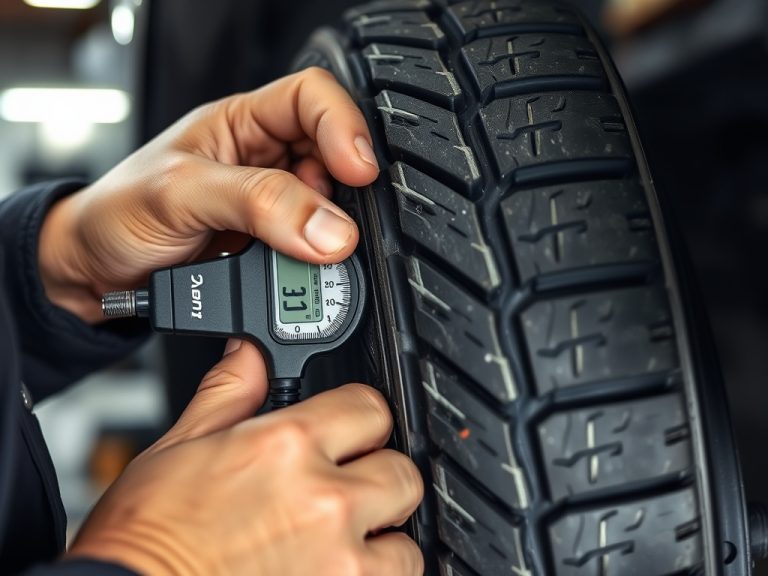
Direct answer: shops diagnose intermittent electrical problems by recreating the conditions, checking service information, scanning for stored data, testing power and ground paths, and monitoring circuits over time. The goal is to catch the fault in the act rather than replace parts based on a hunch.
TL;DR: Intermittent electrical faults are frustrating because the vehicle may behave normally when it reaches the bay. A no-start that happens once a week, a warning light that appears in rain, or a screen that resets on rough roads cannot be solved responsibly by replacing the most suspicious module. Good diagnosis turns a vague complaint into a testable pattern.
- The process begins with the interview. A technician wants to know when the issue happens, weather, temperature, road surface, speed, accessory use, recent repairs, battery age, aftermarket equipment, jump-start history, and whether warning lights appeared. A short phone video from the owner can be valuable if it captures the exact message or symptom without creating a driving distraction.
How Technicians Catch a Fault That Comes and Goes
The process begins with the interview. A technician wants to know when the issue happens, weather, temperature, road surface, speed, accessory use, recent repairs, battery age, aftermarket equipment, jump-start history, and whether warning lights appeared. A short phone video from the owner can be valuable if it captures the exact message or symptom without creating a driving distraction.
Next comes a full-system scan. Intermittent electrical faults often leave history codes, freeze-frame data, low-voltage records, communication codes, or module reset counts. A code is not a diagnosis by itself. It is a clue that points to a circuit, module network, sensor, or power supply condition that needs testing.
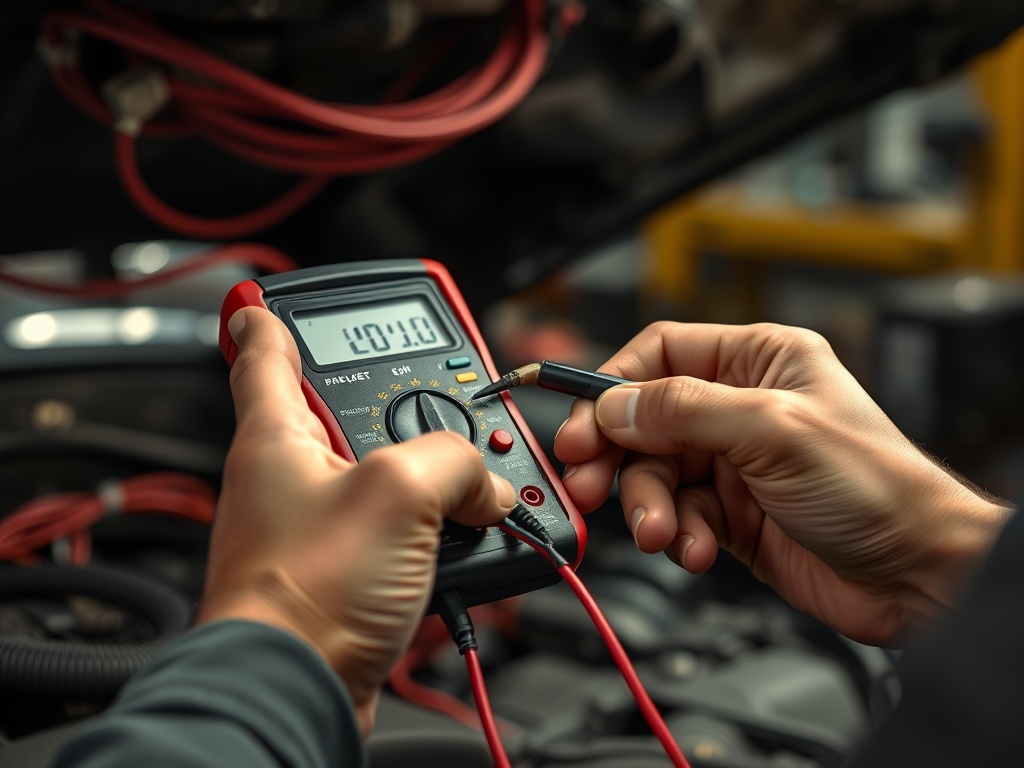
Power and ground testing is central. Many random problems trace back to voltage drop, loose terminals, weak batteries, corroded grounds, damaged harnesses, water intrusion, or overloaded accessory circuits. A circuit can show 12 volts on a simple meter and still fail under load. That is why technicians use voltage-drop tests, load testing, lab scopes, amp clamps, and sometimes temporary test leads.
If the symptom appeared after an update or module campaign, compare it with software update service guidance before treating the issue as a random failure.
For a broader safety check, the NHTSA recall database can reveal whether a related electrical or software campaign exists for the vehicle.
Testing Methods That Separate Proof From Guessing
| Diagnostic step | Purpose | What it prevents |
|---|---|---|
| Owner interview | Finds the pattern and trigger | Misdiagnosis from vague symptoms |
| System scan | Collects codes and module history | Replacing parts based on one warning light |
| Voltage-drop testing | Checks power and ground under load | Missing weak connections |
| Data logging | Captures faults that occur later | Unproductive short test drives |
Wiggle testing is useful only when it is controlled. The technician moves a harness or connector while watching a scan tool, scope, or meter. Random tugging can create new damage. Controlled movement helps reveal loose pins, broken strands inside insulation, chafed harness sections, and connector tension problems that are invisible at a glance.
Data logging helps when the fault refuses to appear during a short visit. Some shops use scan-tool recording, battery monitors, or scope captures during a road test. Others may keep the vehicle overnight to reproduce cold-start or moisture-related problems. That time is not wasted if it prevents unnecessary modules from being installed.
The most useful owner note is specific: “after rain,” “first start below 40 degrees,” “only with headlights on,” or “after hitting a bump.” Those phrases help a technician choose the right test. “It acts weird sometimes” forces the shop to spend paid time discovering the pattern from scratch.
Intermittent faults also require patience with authorization. The first diagnostic hour may reveal only a direction, not the final failed connector or module. A transparent shop explains what was tested and why more time is needed before moving forward.
Be cautious with battery replacements sold as a cure for every random electrical symptom. Weak batteries do cause many issues, but a new battery will not fix a wake-up circuit, water-damaged connector, poor ground, or module that drops communication under heat.
Good electrical diagnosis may include leaving a circuit connected while measuring it. Disconnecting a component too early can erase the exact condition that reveals the fault. That is why a technician may back-probe, monitor current, or test under load instead of simply unplugging parts one by one.
Moisture-related faults require a different level of care. Water tracks, green corrosion, swollen connector seals, and damp carpet can point toward the path of intrusion. Drying the vehicle without fixing the leak only resets the clock until the next rain.
Intermittent diagnosis is also where second opinions can be useful, but bring the test history with you. Without prior notes, the second shop may repeat the same checks. With notes, it can continue the logic and focus on what has not been proven yet.
Owners should resist clearing codes before the appointment unless instructed. History codes, freeze-frame data, and mileage stamps may be the only evidence left by a fault that is not active. Clearing them can delay the answer.
The final report should be understandable. It does not need to teach electrical engineering, but it should identify the symptom, tests performed, results found, and recommended next action. That summary is what separates professional diagnosis from a parts-changing receipt.
When the vehicle is safe to leave, giving the shop time can be cheaper than rushing. Intermittent faults often reveal themselves after a cold soak, heat soak, water test, or longer road test. The extra time should still be paired with updates, not silence.
The same evidence-first mindset helps when choosing a provider; ask process questions from a new shop customer checklist before authorizing advanced diagnostic time.
Helping the Shop Reproduce the Problem
Routine service becomes bigger repair when the evidence points to module programming, network communication failures, water-damaged connectors, interior disassembly, or harness repair. Replacing a fuse is routine. Finding why the fuse opened is diagnosis. Installing a battery may be simple. Proving a parasitic draw, charging fault, or module wake-up problem is a different level of work.
Owners can help by documenting symptoms, avoiding repeated jump-starts unless necessary, removing questionable aftermarket chargers or accessories, and being honest about recent spills, repairs, or modifications. The best repair authorization is not “try a part.” It is approval for a testing plan with a clear next step based on results.
Why did the problem disappear at the shop?
Temperature, moisture, vibration, battery state, and driving conditions may not match the moment when the fault occurred. That is why notes, videos, and data logging help.
Are diagnostic fees fair?
They can be, when the fee pays for a structured testing process and documented findings. Paying for guessing is different from paying for diagnosis.
Can aftermarket accessories cause random faults?
Yes. Chargers, alarms, stereos, lighting kits, trackers, and poor wiring can create draws, communication noise, blown fuses, or voltage issues.
Practical next step: Match the symptom to evidence, keep service records, and approve the repair path only after the shop explains what was tested, what was found, and what result should be verified afterward.