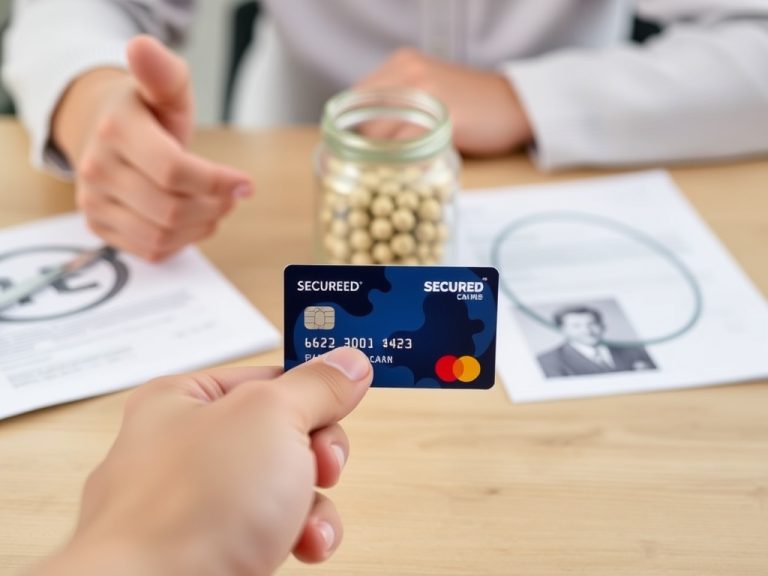
Store cards may offer narrow benefits and risky promotional terms.
TL;DR: Store cards may offer narrow benefits and risky promotional terms. General-purpose cards tend to be more flexible, but both require on-time payment and controlled balances.
This article uses plain-English financial education and references CFPB credit card resources for current consumer-facing context. It is designed to help readers compare options before speaking with a qualified professional or provider.
The practical difference
Store cards can help or hurt depending on how narrowly they can be used, how expensive the terms are, and whether the cardholder carries a balance. General-purpose cards usually offer broader acceptance and more flexible use. Store cards may offer checkout discounts or special financing, but those benefits can be outweighed by high costs or deferred-interest terms if the balance is not handled carefully.
The best card is not the one with the loudest sign-up offer. It is the card whose fees, rate, rewards, acceptance, and repayment fit the borrower’s real spending behavior. A card that encourages buying more than planned is not a credit-building tool; it is a debt risk.
For a second consumer-facing check, compare the account or product language against CFPB deferred interest explanation, especially before relying on promotional summaries.
Store card versus general-purpose card
| Factor | Store card | General-purpose card |
|---|---|---|
| Acceptance | Usually one retailer or network-limited | Broad merchant acceptance |
| Promotions | May include deferred interest | May include intro APR or rewards |
| Risk | Impulse checkout decisions | Overspending across categories |
| Best use | Planned retailer purchases paid in full | Everyday spending with disciplined payoff |
For related planning context, readers can also review Credit Builder Loans vs Secured Cards: Which Works Better? before finalizing their choice.
Where store cards can help

A store card may be useful for someone who shops at the retailer regularly, pays in full, and uses the account for planned purchases only. It can also help a thin credit file if the issuer reports activity and the limit is managed carefully. The value is strongest when the card gives a real recurring benefit without encouraging extra spending.
However, a store card should not be used as a substitute for a debt payoff plan. Readers juggling balances may benefit more from creating a debt payoff timeline before opening another account.
Where store cards create risk
The most misunderstood feature is deferred interest. The CFPB explains that if a purchase is not paid in full by the promotional deadline, deferred interest can be charged back to the original purchase date. That can surprise shoppers who thought the promotion worked like a true zero-interest offer. Store cards may also have limited acceptance, lower credit limits, and less flexible reward value.
For anyone already behind on bills, adding a store card at checkout can make the budget harder to stabilize. A practical budget reset should come before any new card application.
Another useful authority to verify the rules is FTC credit card consumer advice, because protections and obligations can vary by product type.
How general-purpose cards compare
General-purpose cards can be easier to use responsibly because they are not tied to one retailer’s checkout environment. They may offer clearer rewards, broader protections, and more flexibility. Still, they carry the same core risk: interest and fees can grow if balances are carried month after month. Credit utilization also matters, so a cardholder should avoid treating the credit limit as spending permission.
People trying to build credit from scratch may want to compare secured cards with credit builder loans before choosing a store card as their first product.
This decision may connect with How to Create a Debt Payoff Timeline You Can Stick To, particularly when the reader is balancing several money decisions at once.
A safer card-selection rule
Choose a card only after knowing the APR, fees, grace period, promotional terms, rewards limitations, credit reporting practices, and payoff plan. If the card only makes sense because of an immediate discount, step away and compare options. The healthiest card is the one that supports planned spending and on-time repayment, not impulse buying.
Promotional Card Offers Need A Cooling-Off Moment
Retail card offers are often presented at the exact moment a shopper is already ready to spend. That timing can weaken judgment. Before accepting, step away from the counter and read the terms like any other loan document. The first-purchase discount should be compared with the possible cost of interest, late fees, and reduced flexibility.
General-purpose cards deserve the same discipline. Rewards are valuable only when they do not encourage carrying a balance. A card that pays cash back while charging interest on unpaid purchases is not rewarding the borrower. It is shifting attention away from the cost.
A Card Offer Scenario At Checkout
A shopper buying a planned appliance may be offered a store card with a discount or special financing. If the shopper already has cash to pay and understands the promotional deadline, the card might offer limited value. If the shopper needs the promotion to afford the item, the risk is higher because any missed detail can make the purchase more expensive.
A general-purpose card may be safer for recurring expenses if it has clear terms and the balance is paid in full. But no card helps if it turns a planned purchase into a larger unplanned one. A useful rule is to decide the purchase amount before hearing the credit offer, then judge the card only against that original number rather than the upgraded version suggested at checkout. If the store card changes the purchase decision, it is probably influencing behavior more than it is improving finances, and that is a reason to pause before applying.
Before acting, it can also help to compare this choice with How to Start a Budget When You Are Already Behind on Bills so the reader sees how the decision fits into the wider household money picture.
Use Card Benefits Without Letting The Card Lead
The next useful step is to write down the numbers that apply to your situation, compare terms directly from official documents, and avoid any product that depends on optimistic assumptions. Good financial decisions are rarely about one attractive feature. They come from matching cost, access, risk, timing, and household capacity.
Educational disclaimer: This article is for informational and educational purposes only and does not provide legal, tax, investment, lending, insurance, or regulatory advice. Product terms, eligibility, rates, fees, consumer protections, and tax rules vary by institution and jurisdiction. Verify details with the relevant provider, regulator, or a licensed professional before making decisions.