Cluster: Periodontics & Gum Disease | Type: How-To | Funnel: Bottom of Funnel
TL;DR
Scaling and root planing (SRP) is a deep-cleaning procedure used to treat gum disease. Recovery is manageable for most people but requires specific care in the days that follow—including what you eat, how you clean your teeth, and when to call your dentist.
What Happens During Scaling and Root Planing
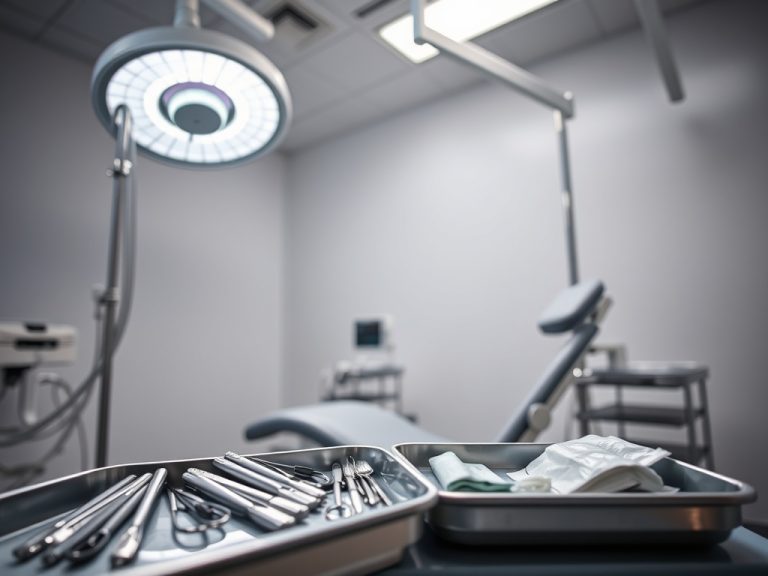
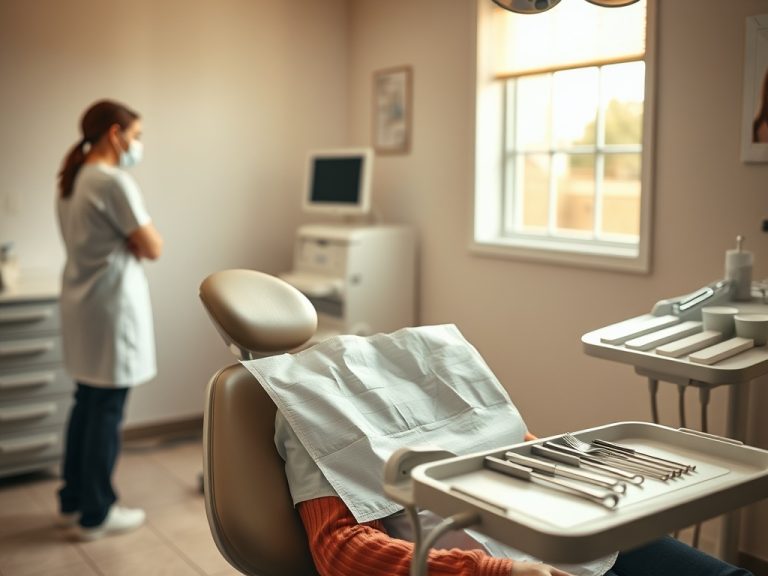
Scaling and root planing is a non-surgical periodontal treatment that goes deeper than a standard cleaning. Your hygienist or periodontist removes tartar and bacterial deposits from below the gumline (scaling), then smooths the root surfaces to help gums reattach and reduce pockets where bacteria can accumulate (root planing). Local anesthesia is typically used, so the procedure itself is usually painless.
Because the tissue around the roots is manipulated, the gums will often be sore, inflamed, and sensitive for several days afterward. How well you manage that recovery period has a direct effect on how completely the gums heal. The American Academy of Periodontology notes that following post-procedure care instructions is one of the strongest predictors of successful outcomes after scaling and root planing.
The First 24 Hours: What to Prioritize
The hours immediately after SRP are when you're most likely to experience numbness, sensitivity, and mild bleeding. Follow these guidelines:
- Wait until anesthesia wears off before eating to avoid accidentally biting your cheek or tongue.
- Eat soft, cool foods—yogurt, mashed potatoes, scrambled eggs, smoothies. Avoid anything hot, hard, crunchy, or spicy.
- Avoid rinsing vigorously, spitting forcefully, or using straws. These can disturb the healing tissue.
- Do not smoke or use tobacco products. Smoking impairs gum tissue healing and raises the risk of infection after periodontal procedures.
- Take any prescribed pain medication or anti-inflammatory as directed by your provider.
Cleaning Your Teeth During the First Week
Many patients wonder whether they should brush near the treated areas. The answer is yes, gently. Stopping oral hygiene allows plaque to rebuild quickly, which can undermine the entire procedure.
- Use a soft-bristled toothbrush and brush gently along the gumline—don't scrub. Electric toothbrushes set to a sensitive mode are generally fine.
- Floss carefully, especially in the first few days. If your gums are too tender, skip flossing for a day or two and resume as soon as you can.
- A prescription or over-the-counter chlorhexidine rinse may be recommended by your provider—use it exactly as directed and not in place of brushing.
- Avoid whitening toothpastes or abrasive formulas during healing. Use a toothpaste formulated for sensitive teeth if needed.
Some bleeding during brushing is normal in the first few days and doesn't necessarily mean something is wrong. Heavy or persistent bleeding warrants a call to your dentist.
Foods That Support Healing—and Those That Don't
| Recommended Post-SRP Foods | Foods to Avoid |
|---|---|
| Yogurt, pudding, soft cheese | Chips, crackers, nuts, hard bread |
| Mashed potatoes, soft cooked vegetables | Raw vegetables, chewy meats |
| Scrambled eggs, tofu | Spicy sauces, citrus, vinegar-based foods |
| Smoothies (no straw), cool water | Carbonated drinks, alcohol, very hot beverages |
| Soft pasta, oatmeal, soft rice | Popcorn, seeds, sticky candies |
You can typically return to a regular diet within a week, depending on how your gums respond. If a specific area remains tender longer, continue eating soft foods on that side until it improves.
Managing Discomfort at Home
Soreness and sensitivity after SRP can last from a few days to about two weeks. Over-the-counter ibuprofen or acetaminophen—taken as directed—typically manages mild discomfort well. Rinsing with warm salt water (half a teaspoon in eight ounces of water) two to three times a day starting 24 hours after the procedure can help reduce inflammation.
Sensitivity to temperature—especially cold—is common and may persist for several weeks as gums tighten and reattach. If the sensitivity is severe or doesn't improve over time, that's worth mentioning at your follow-up. Gum disease left untreated can sometimes progress to tooth loss, which you can read more about in our overview of dental implants 101 if replacement becomes a future consideration.
When to Contact Your Dentist
Most people recover from scaling and root planing without complications. But certain symptoms signal that you should call your provider rather than wait for your follow-up:
- Swelling that increases after the first 48 hours rather than decreasing
- Fever, chills, or a bad taste that doesn't resolve with rinsing
- A loose tooth or noticeable shift in how your teeth fit together
- Severe or worsening pain not controlled by over-the-counter medication
The Follow-Up Visit: What to Expect
A re-evaluation appointment—usually scheduled four to eight weeks after SRP—is a standard part of periodontal care. Your dentist or periodontist will measure gum pocket depths again to assess whether the treatment achieved the intended reduction. If pockets remain deep, additional treatment may be recommended.
Going forward, many patients with a history of gum disease move to a three- or four-month periodontal maintenance schedule rather than twice-yearly cleanings. Staying current with these visits is how you prevent the disease from returning. If you've been delaying dental care, our article on signs you're overdue for a dental exam can help you gauge whether it's time to get back in the chair.
Building a Sustainable Routine After Treatment
Scaling and root planing treats the current state of your gum disease—but it doesn't prevent it from returning without daily effort. Brushing twice a day, flossing once a day, using any mouth rinse your provider recommends, and attending maintenance visits consistently are the factors that determine long-term outcomes. If you're unsure how your oral health connects to your overall wellbeing, consider reading about how dental problems can affect sleep, mood, and daily function.