Cluster: Cosmetic Dentistry & Smile Aesthetics | Type: Comparison | Funnel: Middle of Funnel
TL;DR
Veneers and orthodontics both change how your teeth look, but they work differently and suit different situations. In many cases where teeth are crowded, misaligned, or incorrectly spaced, orthodontic treatment addresses the actual cause—while veneers cover the result. The right choice depends on your bite, bone health, long-term goals, and how much tooth structure you want to preserve.
Two Different Approaches to a Straighter Smile
When someone wants straighter teeth, two options come up frequently: orthodontic treatment (braces or clear aligners) and porcelain veneers. Both can produce a more uniform smile, and both are commonly marketed as solutions to the same problem. But they operate on fundamentally different principles.
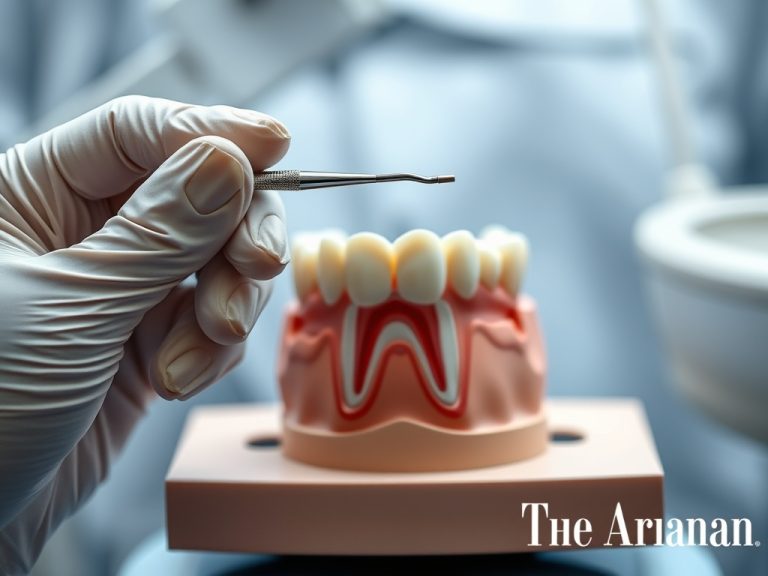
Orthodontics physically repositions your teeth. Veneers change their appearance by adding a thin porcelain shell to the front surface of each tooth. The distinction matters because it determines what you're actually correcting, what you're committing to long term, and what trade-offs you're accepting.
Side-by-Side Comparison
| Factor | Orthodontics | Veneers |
|---|---|---|
| What it corrects | Tooth position, spacing, bite alignment | Appearance only (shape, color, minor spacing) |
| Tooth structure | No removal required | 0.5–1mm of enamel is removed permanently |
| Bite correction | Yes, can correct overbite, underbite, crossbite | No—may worsen bite issues if applied incorrectly |
| Treatment duration | 6 months to 2+ years depending on complexity | 2–3 appointments over 2–3 weeks |
| Longevity | Permanent if retained; retainer required | 10–20 years on average; may need replacement |
| Cost range | Varies widely; often covered partially by insurance | Typically $1,000–$2,500 per tooth; rarely covered |
| Reversibility | Fully reversible | Not reversible (enamel removal is permanent) |
Note: Cost figures are general estimates and vary significantly by provider, geography, and case complexity. Always confirm pricing with your dental provider directly.
When Orthodontics Is the More Appropriate Choice
Orthodontic treatment is generally the better approach when:
- Teeth are significantly crowded, rotated, or displaced—not just visually uneven
- There is an underlying bite problem (overbite, underbite, crossbite, open bite) that would remain unaddressed with veneers
- You are a younger patient with healthy enamel that shouldn't be reduced
- The long-term goal is functional improvement, not only aesthetics
- You want a reversible treatment option
- Budget constraints make the per-tooth cost of veneers impractical
Orthodontists evaluate not just how teeth look, but how they function together—including jaw joint health and bite mechanics. The American Association of Orthodontists advises addressing underlying bite issues before cosmetic restorations, since placing veneers on a misaligned bite can accelerate veneer failure. If you want to understand how a referral to an orthodontist works in practice, our guide on how specialist referrals work in dentistry explains the process.
When Veneers May Make More Sense
Porcelain veneers are better suited to situations where:
- Teeth are mostly straight but have surface flaws—discoloration, chips, worn edges, or minor shape irregularities
- Gaps between teeth are small and cosmetic rather than functional
- Orthodontic treatment was completed previously and retained, but aesthetic adjustments are still desired
- The patient is an adult with healthy gum tissue and adequate bone support
- The goal is primarily cosmetic and does not involve bite correction
It's worth asking any provider recommending veneers whether your bite has been fully assessed. Placing veneers on teeth with underlying bite problems is a common reason for early veneer failure.
The Case for Doing Orthodontics First
For patients considering both treatments over time, orthodontics generally comes first. Moving teeth into better alignment reduces how many veneers are needed, often results in a more natural outcome, and ensures that the enamel reduction involved in veneer placement is applied to well-positioned teeth rather than ones that may need to move.
Orthodontic treatment timelines vary considerably by case type. If treatment duration is a concern, our article on how long orthodontic treatment usually takes breaks down what drives those timelines and what realistic expectations look like.
Making a Decision Before Your Consultation
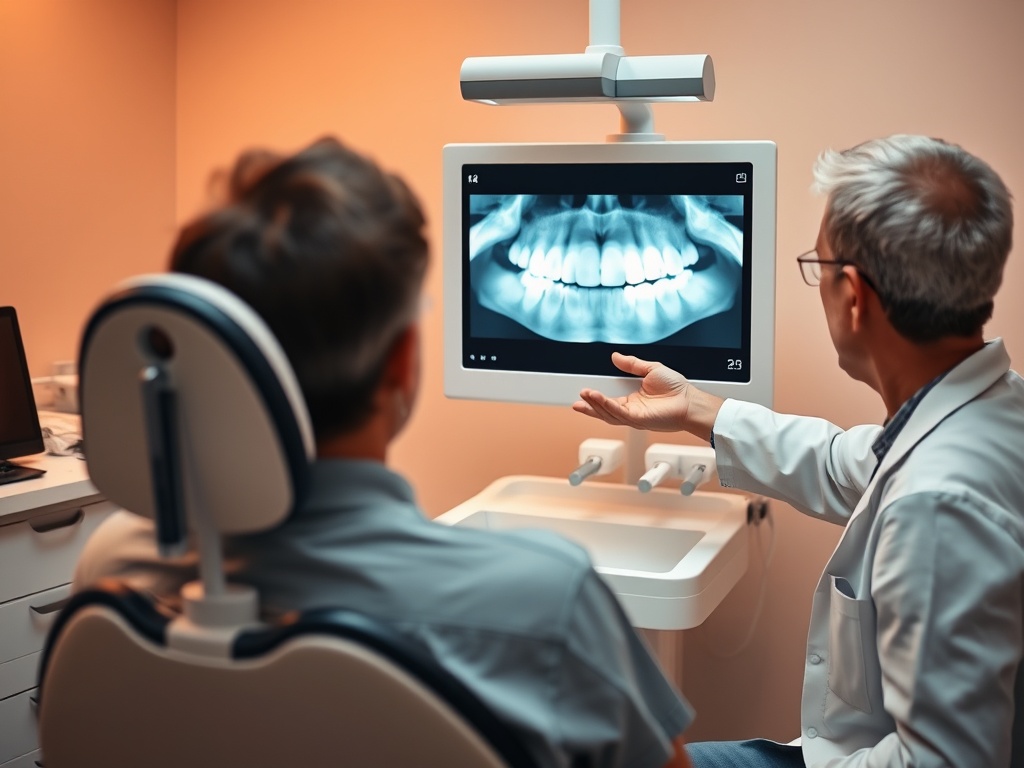
Before your consultation, it helps to know what outcome you're actually seeking. If your priority is fixing crowding, spacing, or a bite issue, come prepared to discuss orthodontic options. If your teeth are mostly aligned and you want cosmetic refinement, veneers may be a reasonable topic. Bringing photos of outcomes you find appealing and asking the provider whether those outcomes require structural correction or cosmetic layering can help frame the conversation productively.
Neither treatment is universally superior—they solve different problems. What matters most is that the treatment chosen addresses the actual condition, not just its visual surface.