Event audience persona tools help event teams turn scattered assumptions into clear planning inputs for programming, pricing, promotion, staffing, and sponsor value. The best stack is rarely one platform; it is a practical mix of research templates, CRM data, survey tools, segmentation logic, and a shared decision record.
TL;DR
- Start with a simple persona worksheet before buying software.
- Choose tools that connect audience needs to agenda design, ticket messaging, accessibility needs, and sponsor reporting.
- Small events can work with spreadsheets and surveys; larger events usually need CRM, automation, analytics, and governance.
Where persona work fits in event operations
Audience personas are most useful when they influence decisions before the agenda, budget, content calendar, sponsor package, and registration flow are locked. A persona should not be a decorative profile with a catchy name. It should answer operational questions: Who is likely to register early, who needs proof of value, who influences group purchases, who may need accessibility support, and who is most likely to attend again? When those answers are visible, teams can reduce debate and make better trade-offs.
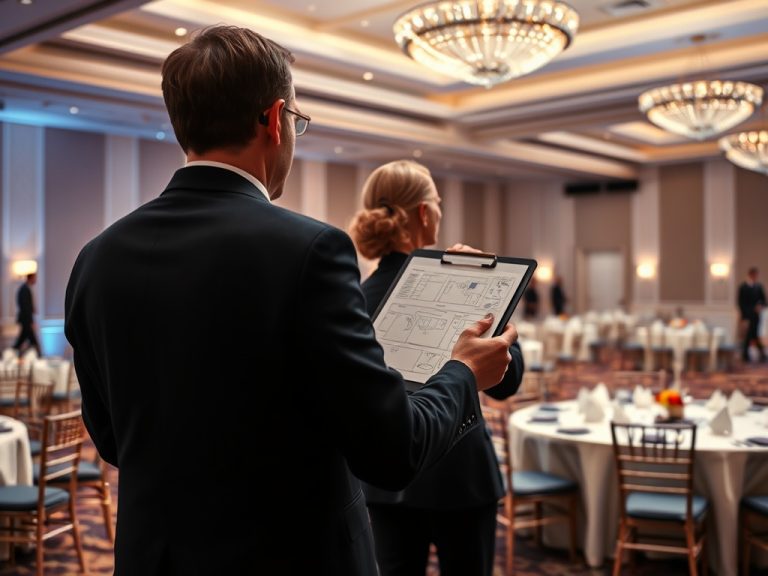
For event teams, persona work often starts as marketing research but quickly touches operations. A first-time attendee may need clearer arrival instructions and stronger orientation. A sponsor decision-maker may care more about lead quality than stage visibility. A returning VIP may expect a calmer check-in path. These differences affect layout, communications, pricing, staffing, and post-event reporting.
Core resource categories worth comparing
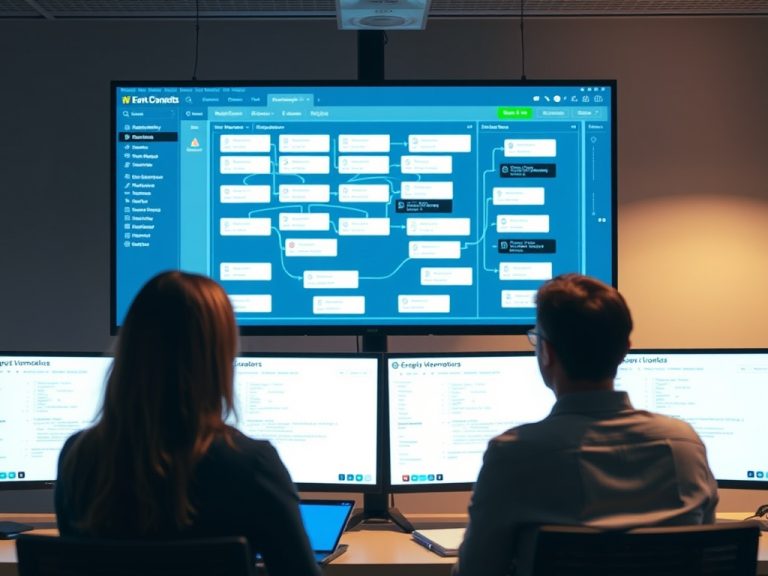
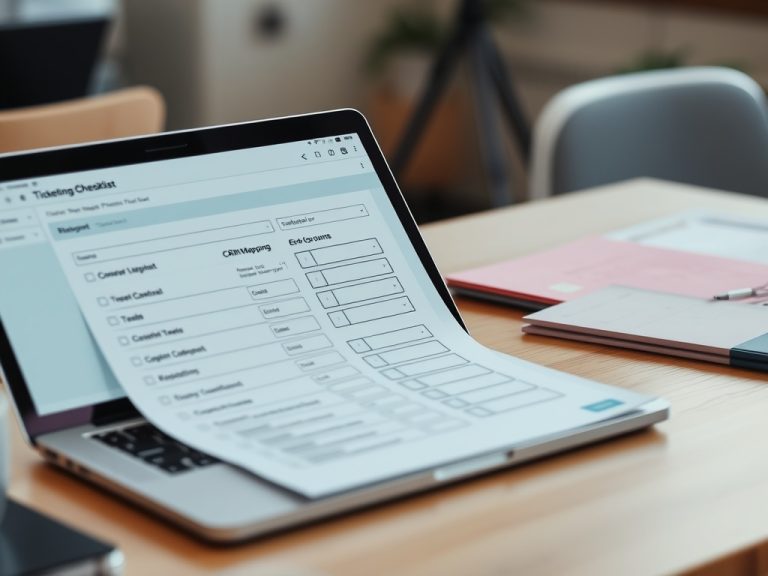
The basic toolkit includes four categories. Research templates capture audience roles, pain points, motivations, objections, and decision triggers. Survey tools collect registration intent, content preferences, and post-event feedback. CRM or registration data shows actual behavior, including ticket type, source channel, repeat attendance, and cancellation signals. Analytics tools connect that behavior to campaign performance and session engagement.
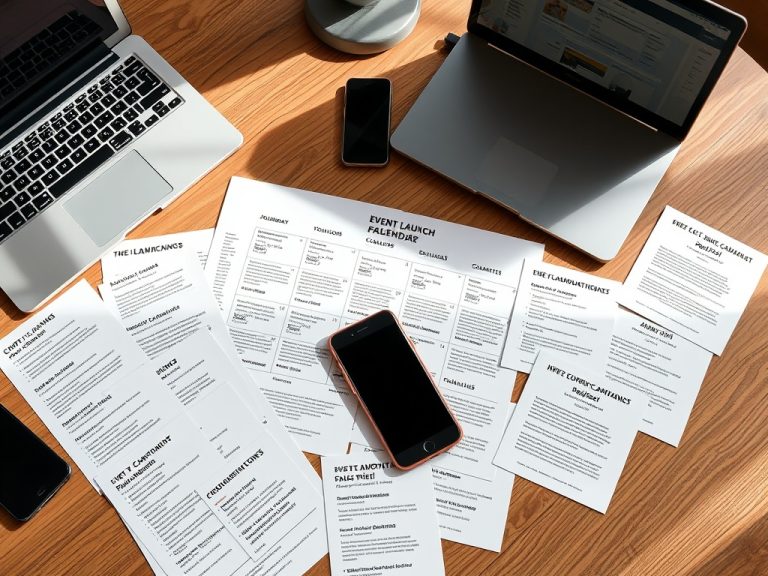
Templates are often enough for early planning, but they need structure. A strong worksheet includes data source, confidence level, planning implication, owner, and review date. That prevents the team from treating every idea as proven. For example, “budget-sensitive small business owner” is not enough. The useful version explains how that segment buys, what proof they need, and what event promise should be avoided.
A practical stack by event size
For a workshop, community event, or small fundraising program, a spreadsheet, registration form, short survey, and shared notes document may be enough. The goal is speed and clarity. Use one worksheet for segments, one for content needs, one for objections, and one for message testing. Tie each persona to no more than three decisions so the file stays usable.
For a mid-sized conference, the stack usually expands to an email platform, CRM or registration platform, audience survey tool, and reporting dashboard. This is where consistent naming matters. A segment called “operators” in one system and “logistics buyers” in another can create messy reporting. Set naming rules before importing lists.
For large events, persona work needs governance. Access controls, data retention, consent language, and payment data handling become part of the review. When payments enter the workflow, teams should understand that card data protection is a specialized compliance area. The PCI Security Standards Council is a useful starting point for understanding why payment security cannot be treated as a casual marketing-system setting.

Evaluation signals before you commit budget
A tool is worth considering when it makes decisions faster, reduces duplicate work, and improves handoffs. Look for clean exports, audience tags, survey logic, permissions, integration options, and clear audit trails. Avoid tools that require every team member to become a data analyst. The best event persona system is the one your team can maintain during a busy launch week.
Persona tools should also support accessibility and sustainability decisions. For example, audience data may reveal dietary needs, travel patterns, language preferences, or mobility requirements. Those findings can support better vendor conversations and align with broader event responsibility goals. The Events Industry Council Sustainable Event Standards are one recognized framework for thinking about event impacts beyond attendance numbers.
Implementation habits that keep personas useful
Create one source of truth and give it an owner. Add a confidence rating to every persona claim: observed data, survey response, sales input, or assumption. Review the file after each campaign milestone, not only after the event. Link persona findings to the content plan, pricing choices, and venue planning notes. If your team is also rethinking immersive gala formats, persona evidence can keep creative ideas tied to actual guest expectations.
A persona also needs a retirement path. If data stops supporting a segment, merge it, rename it, or remove it. Teams lose trust in persona work when old assumptions stay in the planning file for years. A lightweight quarterly review is usually enough for recurring event programs.
A focused handoff for your next planning cycle
For bottom-funnel decisions, choose the smallest stack that answers your next five operational questions. Start with a persona template, add survey evidence, connect registration data, and create a short decision memo. Then use those findings to refine your venue selection process, sponsor story, and communications calendar. Events content is informational only; teams should verify legal, financial, payment, accessibility, travel, and contractual details with qualified advisers or official organizers before acting.
Selection Criteria Worth Documenting
Document why each tool was chosen, not only what it does. A short record should explain the audience question it answers, the owner who maintains it, the update cadence, and the downstream decisions it supports. This protects the team from adding tools because they look impressive rather than because they improve planning. It also helps a new staff member understand why the persona file, survey platform, CRM view, and reporting dashboard all exist.
Persona work should also include a stop rule. If a tool does not change programming, communications, pricing, access planning, or reporting after two planning cycles, retire it or reduce its role. A lean stack with reliable adoption is more valuable than a complex stack nobody trusts during deadline pressure.