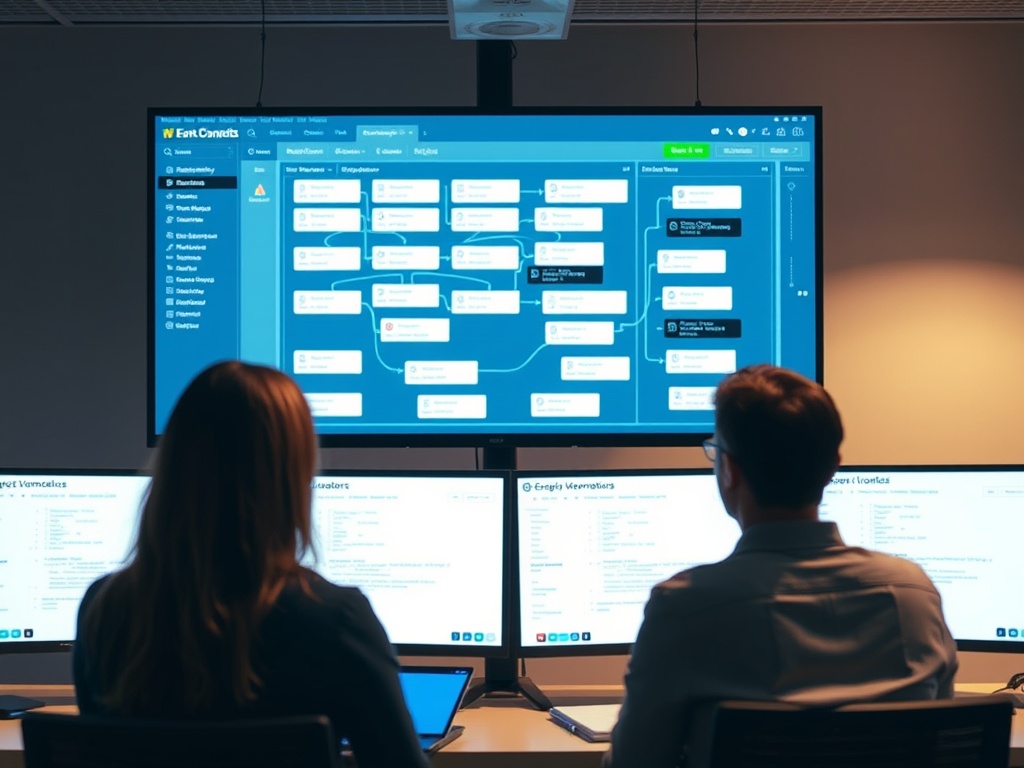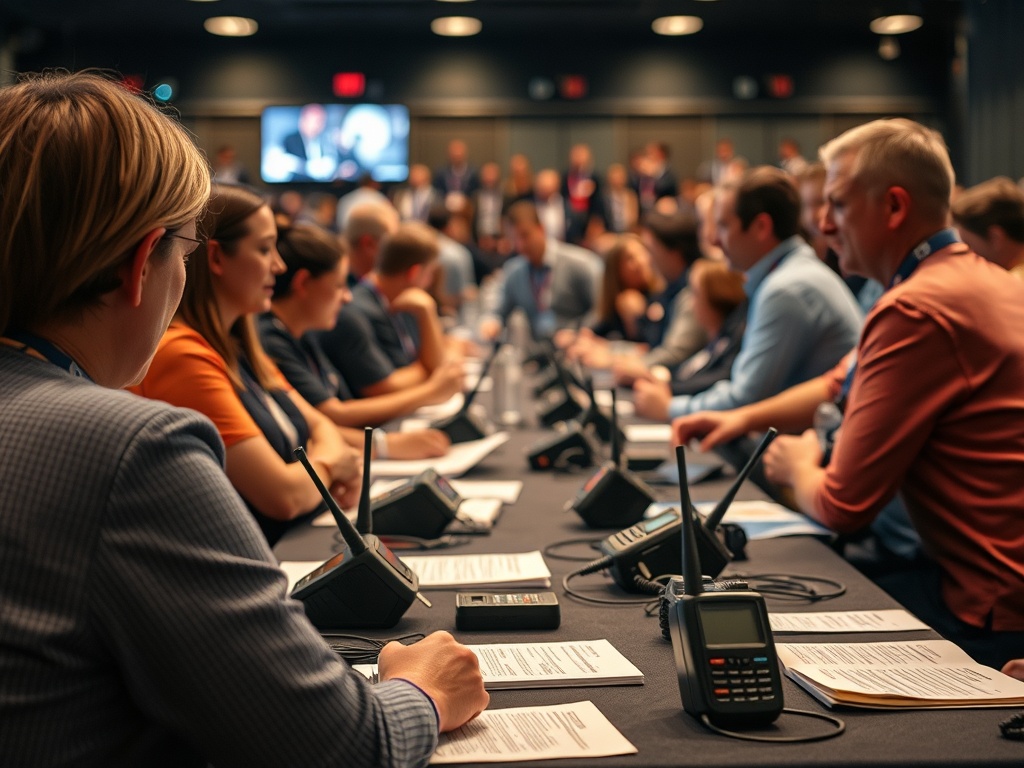

Too many venue options usually means the selection criteria are unclear, not that the market has too many choices. Fix the venue decision first by defining non-negotiables, operational constraints, audience needs, budget limits, and approval rules before comparing photos or proposal language.
TL;DR
- A venue shortlist should be built from constraints, not preferences alone.
- The fastest improvement is a weighted scorecard that separates must-have requirements from nice-to-have features.
- Outside help is useful when contracts, safety, accessibility, production, or capacity questions exceed the team’s experience.
The real reason the shortlist feels messy
A long venue list feels productive at first because it gives the team options. Then the same options create friction. One person loves the look of a ballroom, another likes the location, a sponsor wants visibility, production wants loading access, and finance wants a lower rental fee. The issue is not the number of venues. The issue is that the team is ranking different things at the same time.
Venue selection affects almost every event decision that follows: ticket capacity, pricing, sponsor inventory, safety planning, guest arrival, accessibility, catering, production, rehearsals, and the launch timeline. If the venue question stays unresolved, the team may keep rewriting budgets, layouts, landing pages, and promotional copy.
Build a constraint filter before reviewing proposals
Start with a constraint filter. This is a short list of requirements that remove unsuitable venues before subjective preferences enter the conversation. Common filters include date availability, estimated capacity, location fit, transit access, load-in needs, catering rules, accessibility considerations, insurance requirements, budget range, and cancellation terms. Each item should be marked as mandatory, flexible, or unknown.
Do not treat capacity as a single number. Ask about seated capacity, reception capacity, room-set capacity, outdoor contingency, staff areas, sponsor areas, stage footprint, storage, and registration space. A venue that technically fits 400 people may not fit 400 people with a stage, sponsor booths, check-in lanes, and accessible routes.
The scorecard that speeds up team agreement
After the filter, use a weighted scorecard. Give the highest weight to constraints that protect the event goal. A fundraising gala may weight guest experience, donor proximity, accessibility, and production quality. A training conference may weight session rooms, wayfinding, food service, and nearby lodging. A community event may weight transit, safety, and cost. The exact weights are subjective, but the scoring method should be transparent.
Keep the scorecard short enough to use in a live meeting. Ten criteria are usually better than thirty. Include space for evidence, not just ratings. “Good access” should point to a site visit note, venue document, or planner observation. When facts are not verified, mark them as pending rather than assuming they are true.
When a specialist review is worth the cost
Bring in outside help when the decision includes complex contract terms, unusually high attendance, VIP security, public access, temporary structures, heavy production, sensitive audiences, or unfamiliar local rules. The CISA Mass Gathering Security Planning Tool offers a framework that can help planners think about special-event and mass-gathering security considerations. It does not replace local authority guidance or professional safety advice.
Accessibility also deserves a practical review. Venue teams and organizers should confirm routes, restrooms, seating options, communication access, service animal policies, and assistance procedures with official guidance and venue documentation. The U.S. Department of Justice maintains ADA service animal guidance that can help teams avoid casual assumptions in U.S. contexts. Local rules may vary outside the United States.
Venue decisions that shape marketing and ticketing
A venue can strengthen or weaken the event story. If your team is planning immersive storytelling formats, the room must support lighting, sound, guest movement, and pacing. If your team is working through ticket pricing decisions, the venue must support the capacity and experience promised by each ticket tier.
Venue uncertainty can also delay the event launch content calendar. Location, arrival details, photos, accessibility notes, room names, and schedule blocks often appear in campaigns. Publish those details only when confirmed, and use measured language when schedules or access rules may change.
Your next venue review meeting
For the next meeting, bring a one-page filter, a weighted scorecard, and a list of unresolved facts. Remove any venue that fails a non-negotiable requirement. Then discuss only the top three options. This makes the decision easier to defend and easier to update if costs, dates, or requirements change. Events content is informational and educational only. Verify venue, legal, travel, safety, accessibility, and contract details directly with organizers, venues, public agencies, or qualified advisers.
Questions to Ask During the Site Visit
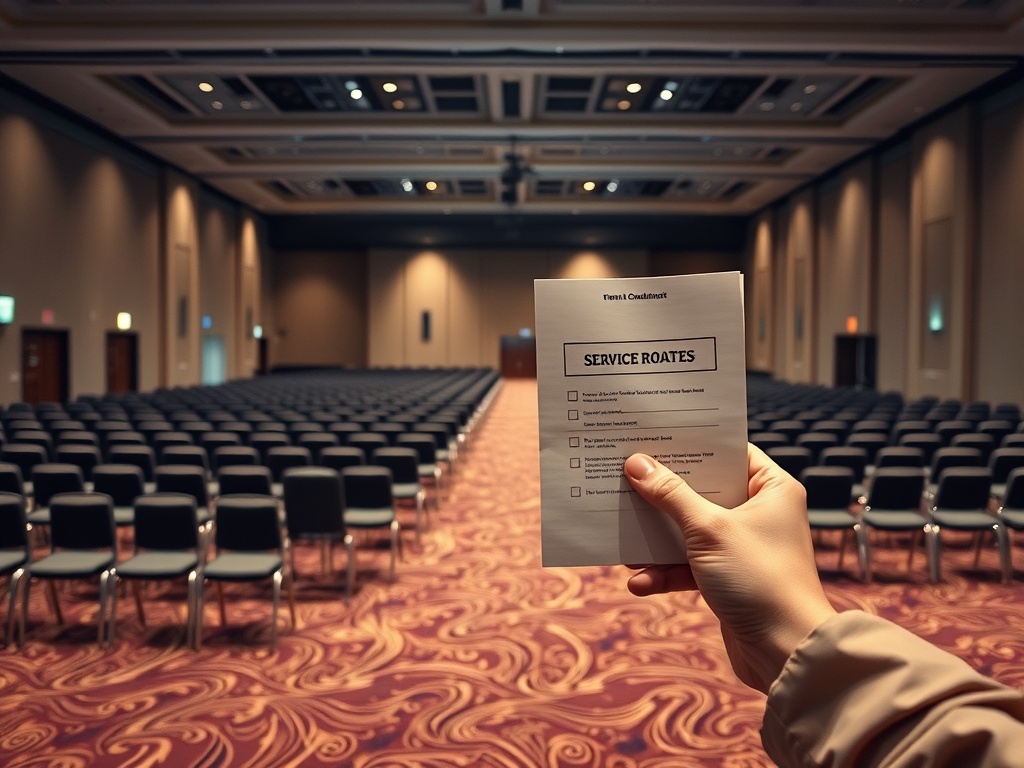
A site visit should test assumptions from the scorecard. Walk the guest arrival route, stand where registration will happen, check restroom distance, ask about freight access, review power locations, inspect backup spaces, and confirm where staff can store supplies. Take photos only if the venue allows it, and label every note with the date and person who confirmed the detail.
Ask the venue what commonly goes wrong for events of similar size. This question often reveals useful details about traffic, load-in timing, sound bleed, elevator use, room flips, catering bottlenecks, or outdoor weather contingencies. Treat these answers as planning inputs, not guarantees, and confirm material terms in writing before final approval.
How to close the decision without reopening it
Once a venue is selected, write a short decision note. Include the chosen venue, rejected alternatives, decisive criteria, unresolved dependencies, contract owner, and next review date. This prevents the team from reopening the same debate when someone sees a prettier space later. It also gives marketing, ticketing, sponsorship, and operations a stable reference point for their own deadlines.
Final proof before contract routing
Before routing the contract, compare the proposal against the latest scorecard. Check dates, rooms, food and beverage minimums, service charges, load-in windows, insurance terms, cancellation language, force majeure language, accessibility commitments, and any verbal promises made during the site visit. If a point influenced the decision, it should appear in the written record or be confirmed by an authorized representative.
One final alignment sentence
The final venue choice should make the next planning steps easier, not harder.