Demand flexibility is the ability of a building to change when or how much electricity it uses in response to grid conditions, prices, or program signals while still meeting occupant and operational needs. HVAC is central to this trend because space conditioning is a large, weather-sensitive load that can sometimes be shifted or modulated through controls, thermal storage, and building-envelope performance.
- Demand flexibility is broader than traditional demand response; it can include reducing, shifting, or modulating building loads.
- HVAC flexibility depends on equipment, controls, thermal mass, weather, occupancy, comfort limits, and the building envelope.
- Utility programs, rates, interoperability, privacy, and cybersecurity will influence how quickly flexible HVAC becomes routine.
From Efficient Equipment to Flexible Operation
Energy efficiency asks how much energy a system needs to deliver a service. Demand flexibility adds a time dimension: can some of that energy use move away from a stressed grid period or toward a period with more available generation without compromising the building’s purpose?
The Department of Energy describes grid-interactive efficient buildings as buildings that combine energy efficiency, demand flexibility, smart technologies, and communications. HVAC, water heating, lighting, storage, electric vehicles, and other loads can participate, but they have different response speeds and operational limits.
Why HVAC Is Both Promising and Difficult
Space conditioning is strongly tied to weather and occupant comfort. That makes it a meaningful flexible load, but not an unlimited one. A thermostat can be adjusted for a short period, a building can be pre-cooled or pre-heated before a peak, or variable equipment can modulate power. The acceptable response depends on indoor conditions, humidity, occupancy, equipment capacity, and how quickly the building gains or loses heat.
DOE’s recent guide to grid-interactive building technologies for commercial and federal facilities frames demand flexibility as a way to help balance energy use during peak demand or periods of plentiful generation. It does not mean every building should surrender HVAC control whenever the grid sends a signal.
The Building Envelope Becomes a Flexibility Asset
A well-performing envelope slows heat transfer, which can give HVAC controls more room to shift load without rapid comfort loss. A leaky or poorly insulated building may lose that buffer quickly, forcing the system to recover sooner and reducing the practical flexibility window.
That connection is why air sealing and HVAC performance matters to future controls. Envelope upgrades can reduce baseline load and may also change how long a building can coast through a demand event, though the exact flexibility must be evaluated for the specific building.
Four Common Forms of Flexible HVAC Control
Load shedding
The system temporarily reduces power by changing setpoints, limiting stages, reducing fan demand, or pausing noncritical functions within acceptable operating constraints. Shedding is usually time-limited because comfort, humidity, ventilation, or process requirements eventually require the load to return.
Load shifting
The building moves some conditioning earlier or later. Pre-cooling before an afternoon peak is a common example in research and commercial control strategies. The building’s thermal mass acts as short-term storage, but aggressive pre-conditioning can increase total energy use if the control strategy is poorly matched to weather and occupancy.
Load modulation
Variable-speed compressors, fans, pumps, and advanced controls can adjust power rather than switching a load completely on or off. Modulation can support smoother grid response, but equipment controls must remain within manufacturer and comfort constraints.
Thermal storage
Chilled-water, ice, hot-water, or other thermal storage can separate when electricity is used from when heating or cooling is delivered. Storage adds equipment, space, controls, and capital cost, so it is more common in applications where peak demand, resilience, or large central systems justify the complexity.
Smart Thermostats Are Only the Consumer Edge
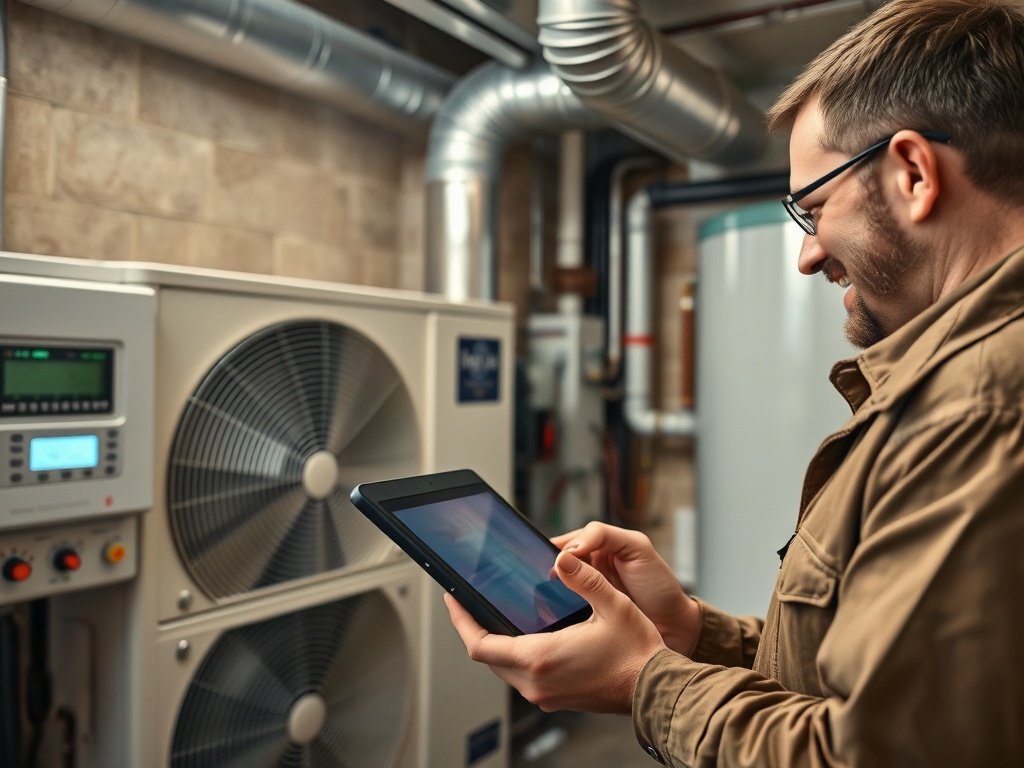
Residential smart thermostats already provide remote control, schedules, occupancy features, and participation in some utility programs. Future flexibility may use more coordination among thermostats, heat pumps, water heaters, batteries, electric vehicles, solar systems, and utility signals.
Interoperability is a major issue. A home can contain devices from several manufacturers with different protocols, update cycles, permissions, and cloud dependencies. If devices cannot share reliable information, building flexibility may be harder to coordinate.
Comfort and Process Limits Must Stay in Control
Demand flexibility should be bounded by occupant and operational requirements. Homes with infants, older adults, health-sensitive occupants, pets, or temperature-sensitive equipment may need tighter limits. Commercial buildings have ventilation, humidity, tenant, process, and schedule constraints. Specialized facilities may have even less flexible environmental control.
For example, the article on cannabis facility HVAC, humidity, and odor control shows why process HVAC cannot be treated like an ordinary office thermostat. A grid signal should not override environmental or regulatory limits that protect the facility’s operation.
Utility Programs and Rate Structures Will Shape Adoption
The value of flexibility depends on local grid conditions and tariffs. Time-of-use rates, critical-peak pricing, demand charges, direct-load-control programs, and aggregator offerings can create different incentives. Availability and rules vary by utility and jurisdiction, and programs can change.
Homeowners and facility teams should review the current utility program documents before buying equipment primarily for a demand-response benefit. Confirm enrollment terms, event duration, opt-out rules, incentives, data sharing, equipment compatibility, and whether the utility can directly control a device or only send a signal.
Cybersecurity Becomes an HVAC Operations Issue
Connected HVAC creates new pathways between building controls, cloud platforms, utility programs, and external service providers. DOE’s cybersecurity guidance for grid-interactive efficient buildings warns that interconnected smart devices can create security gaps and potential attack paths if cybersecurity is not designed into the system.
Facility teams should inventory connected controllers, keep software and credentials managed, segment networks where appropriate, restrict remote access, and define what happens if cloud or internet connectivity fails. A building should still have safe local control when external services are unavailable.
What Contractors and Designers Need to Prepare For
Flexible HVAC increases the importance of controls literacy. Contractors will need to understand not only refrigeration, airflow, and combustion but also communicating equipment, commissioning, sensors, networking, utility interfaces, and data permissions. Designers will need to specify fallback modes and manual overrides rather than assuming permanent connectivity.
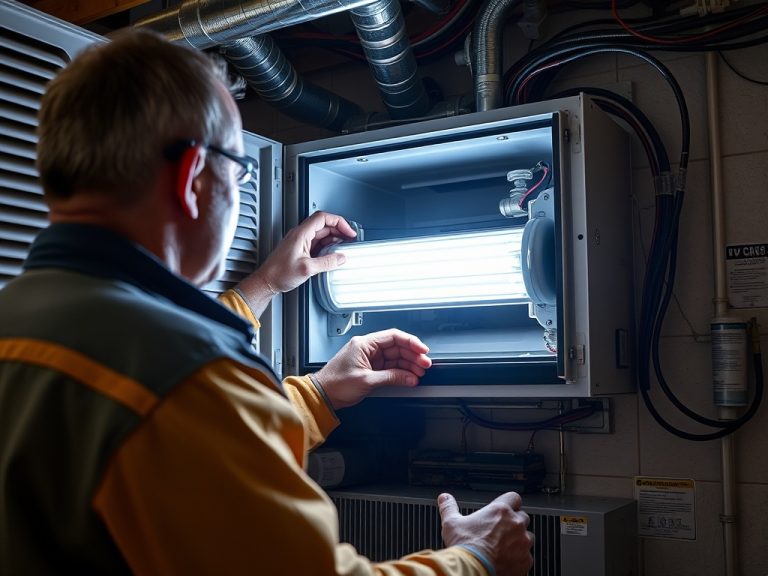
Controls planning should also distinguish core HVAC functions from optional accessories such as UV light systems for HVAC. A strong installer should be able to explain what happens when a thermostat loses internet access or a utility event conflicts with comfort settings.
A Practical Readiness Checklist
- Establish the building’s normal HVAC load, comfort range, humidity limits, and operating schedule.
- Identify equipment with variable capacity, thermal storage potential, or controllable setpoints.
- Confirm which loads are truly flexible and which must remain available for health, safety, ventilation, or process reasons.
- Review current utility tariffs and program rules instead of assuming an incentive exists.
- Commission sensors and controls before enrolling in automated events.
- Define opt-out, fallback, and offline modes.
- Set cybersecurity, credential, update, and data-sharing responsibilities.
- Measure event results and recovery behavior before expanding automation.
What the Future Is Likely to Look Like
The direction of travel is toward buildings that are more efficient, connected, controllable, and responsive to electricity-system conditions. That does not mean every home will become a miniature power plant or every thermostat will be controlled by a utility. Adoption will depend on economics, equipment turnover, standards, consumer trust, privacy, utility programs, and demonstrated comfort performance.
For HVAC, the durable strategy is to get the fundamentals right first: accurate sizing, efficient equipment, a sound envelope, good distribution, adequate ventilation, and commissioned controls. Flexibility works better when the underlying building needs less energy and its controls have reliable information.
This article is for informational and educational purposes only and does not constitute professional HVAC, electrical, cybersecurity, utility-rate, code, or legal advice. Program availability and requirements vary; consult qualified professionals and current utility or regulatory sources for specific decisions.