
Role confusion usually comes from vague ownership, late staffing decisions, and missing escalation paths. Event teams can prevent it by defining roles around decisions, guest touchpoints, communication channels, and backup coverage before the run of show is finalized.
TL;DR
- A staffing plan should explain who decides, who executes, who supports, and who escalates.
- The most common mistakes include vague titles, duplicate owners, no backup roles, and untrained volunteers.
- Clear briefings and scenario drills prevent confusion more effectively than long documents alone.
Why staffing confusion starts early
Role confusion rarely begins on event day. It begins when the team writes job titles without decision rights. “Registration lead” may sound clear, but does that person solve badge errors, refund questions, VIP arrivals, ticket transfers, accessibility requests, or volunteer breaks? If those decisions are not assigned, staff will improvise under pressure.
The staffing plan should be built alongside the run of show. Every guest touchpoint needs an owner: arrival, check-in, wayfinding, seating, speaker support, sponsor support, food service, accessibility questions, safety escalation, session timing, and post-event breakdown.
Mistakes that blur ownership
The first mistake is duplicate ownership. If two people believe they control the same decision, staff receive conflicting instructions. The second mistake is orphaned work, where everyone assumes someone else owns a task. The third mistake is a staffing plan that lists names but not communication channels. The fourth is using volunteers for sensitive roles without training or escalation support.
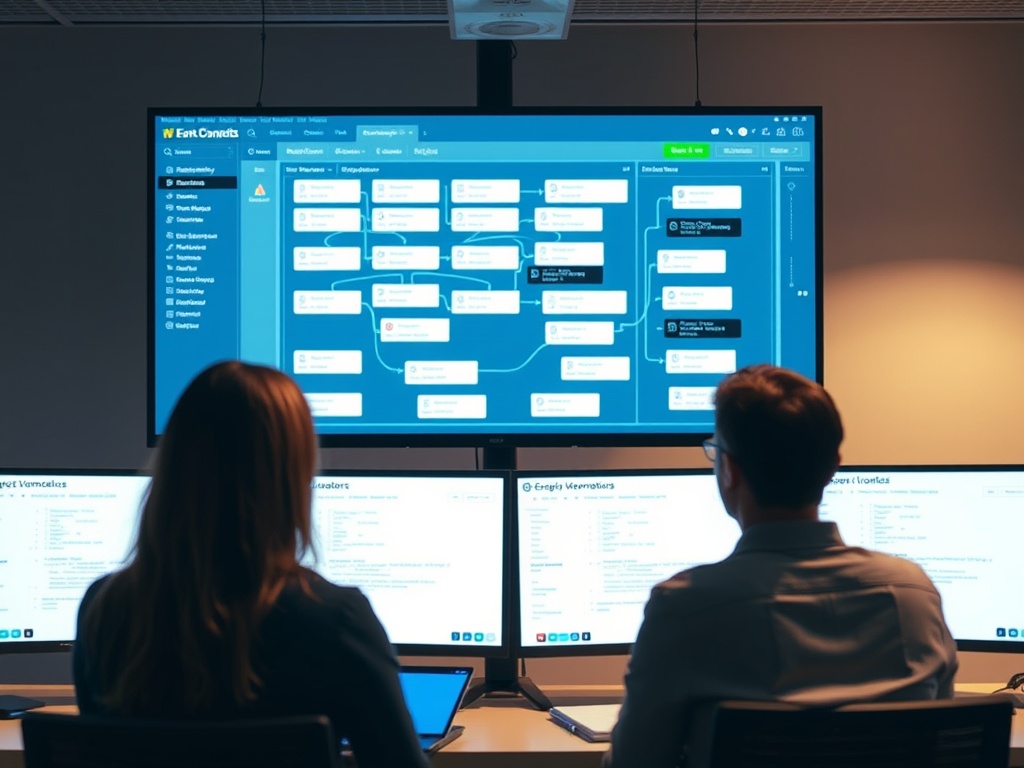
Another common mistake is failing to connect staffing with data and automation. If an automated message changes arrival time, who tells security, check-in, catering, and session leads? If a sponsor asks for scanned-lead reports, who validates the data before it reaches the sponsor? That question connects staffing to the sponsor reporting comparison.
Safeguards that make roles visible
Use a RACI-style plan if the team likes structure: responsible, accountable, consulted, and informed. For day-of work, a simpler version may be better: decision owner, task owner, backup, escalation contact, and radio or messaging channel. Keep it to one page per zone or department.
Safety and crowd-related roles should be reviewed carefully. The CISA Mass Gathering Security Planning Tool can help planners think through event and venue characteristics, but local requirements and professional safety advice should guide final decisions. Accessibility-related roles should also be clear, including who responds to service animal, seating, route, and communication questions. U.S. teams can review ADA service animal guidance as one official reference point.
Briefings and drills that reduce panic
A briefing should answer four practical questions: what is my zone, what decisions can I make, who do I contact when something changes, and what should I never promise? Drills do not need to be dramatic. Walk through common scenarios: lost badge, late speaker, room change, medical issue, sponsor complaint, inaccessible route, refund question, or registration system outage.

Vendor and volunteer handoffs
Vendors and volunteers need boundaries. A catering captain should not be expected to answer ticket policy questions. A volunteer should not decide whether a guest can enter without approval. A sponsor-support person should not promise reporting metrics that the data team cannot verify. If automation is part of the flow, the event automation FAQ can help define what remains human-owned.
A clearer day-of command structure
Create a command structure that staff can remember under stress: zone lead, operations lead, safety contact, registration contact, guest services contact, and final decision owner. This structure supports stronger future-ready event models because consistency and care are operational advantages. Events content is informational only and does not replace legal, safety, labor, accessibility, or contractual advice.
Role Clarity Tools That Fit Real Event Days
The best staffing tools are short enough to use while standing in a hallway. Create zone cards for registration, sessions, sponsors, speakers, guest services, and operations. Each card should list the lead, backup, radio channel or messaging group, decision limits, and top escalation reasons. Laminated or mobile versions can help, but the information matters more than the format.
Use role labels that describe actions, not prestige. “Speaker greenroom issue owner” is clearer than “program support.” “Refund escalation contact” is clearer than “registration manager” when a buyer is upset. Specific labels reduce hallway guesswork and help temporary staff act with confidence.
After the event, ask each lead where instructions were unclear. Use those answers to revise the staffing plan before memory fades. This review is often where teams discover hidden work that should have had an owner from the beginning.
Communication rules for noisy event environments
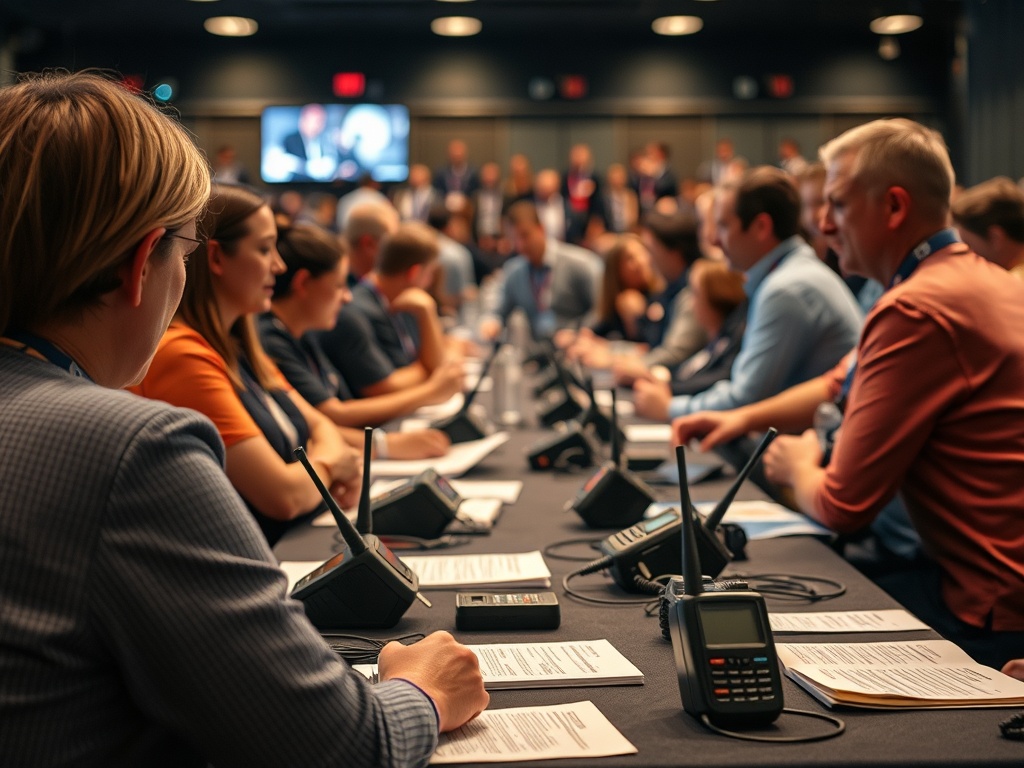
Staffing plans should assume that messages will be missed. Radios may be loud, group chats may move too fast, and staff may be busy with guests. Use short channel names, clear escalation phrases, and a rule for confirming critical updates. For example, a room change should be acknowledged by the session lead, registration lead, guest services lead, and operations lead before the public message changes.
For larger events, assign one person to filter information before it reaches the wider team. This reduces conflicting updates and keeps staff focused on the next action rather than every background discussion.
After-action review for staffing
The staffing review should happen quickly after the event. Ask each lead to name one instruction that worked, one gap that caused confusion, one role that needs a clearer owner, and one decision that should be moved earlier next time. These answers turn day-of stress into a better staffing plan instead of another anecdote.
Staff care as an operating detail
Role clarity also protects the staff experience. Breaks, meals, water access, shift lengths, and realistic coverage matter because tired staff make more mistakes. Assign backup coverage before the event rather than expecting people to solve breaks informally. A humane staffing plan is also a more reliable staffing plan.
Vendor briefing language
Give vendors a short version of the staffing plan that explains who approves changes, who receives urgent updates, and who should not be interrupted during program moments. Vendors do not need every internal detail. They need enough structure to avoid guessing, especially when timing, guest comfort, or service quality is affected.