
Future-ready event models combine sustainability, attendee experience, data discipline, accessibility, sponsor value, and operational resilience. The strongest teams treat these as connected planning systems rather than separate trends.
TL;DR
- Use sustainability as an operating standard, not a decorative claim.
- Design experiences around audience value, access, and measurable outcomes.
- Create review loops so each event improves the next one.
The operating shift behind modern events
Modern event planning is moving from one-off execution toward repeatable operating models. Sustainability, experience design, hybrid access, sponsor value, data quality, and safety planning are not isolated checkboxes. They affect each other. A more sustainable catering choice can affect budget and guest satisfaction. A more immersive session format can affect staffing and accessibility. A richer sponsor report can affect consent language and data capture.
Advanced teams do not chase every trend. They define the event’s purpose, audience, constraints, and measurement plan first. Then they choose practices that fit. This keeps the team from presenting emerging formats as proven results or making claims the event cannot support.
Sustainability as a planning system
Sustainability becomes stronger when it is built into procurement, venue selection, travel planning, waste management, materials, supplier communication, and measurement. The ISO 20121 standard describes requirements and guidance for event sustainability management systems across event types and sizes. The Events Industry Council Sustainable Event Standards also give event teams a recognized framework for assessing environmental and social responsibility.
Claims should be specific. “Reduced single-use materials through refill stations and reusable signage” is clearer than “green event.” If data is unavailable, describe the practice rather than implying a verified impact.
Experience design with practical limits
Experiential design works best when it clarifies the event promise. It may involve interactive sessions, story-led spaces, community rituals, hands-on learning, sponsor integration, or content capture. The risk is overproduction. A future-ready event should feel purposeful, not overloaded. Use audience persona tools to decide what the audience will value and what may create friction.
The immersive storytelling trend shows how experience and operations now overlap. Lighting, sound, room flow, access, and run-of-show details all shape the story. Schedules, entry rules, and participation options should be verified with official organizers and venues before publication.
Data and metrics that improve consistency
Measure what supports decisions. Useful metrics may include registration conversion, attendance, no-show rate, session participation, accessibility requests fulfilled, sponsor deliverables completed, waste-diversion estimates where verified, attendee satisfaction, support-ticket themes, and post-event content use. Not every event needs every metric.
Review loops used by stronger teams
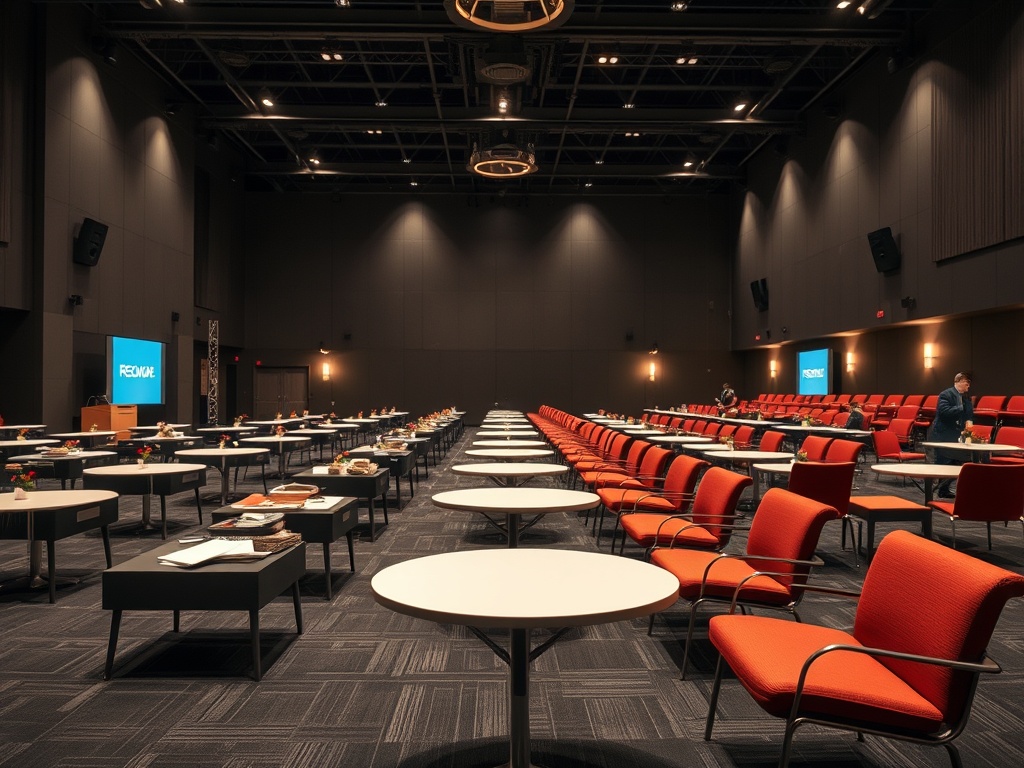
A post-event review should happen while details are fresh. Ask what should be repeated, what should stop, what needs a new owner, what data was missing, and what the audience told the team. Sponsor review should distinguish between lead-based and exposure-based value. The sponsor reporting comparison can help teams set clearer expectations before selling the next package.
Safety and resilience also belong in the loop. The CISA Mass Gathering Security Planning Tool provides planning considerations for special events and mass gatherings, but each event should verify local rules, venue requirements, and professional advice.
A future-ready planning standard
A future-ready model is not a promise that every new format will succeed. It is a disciplined way to test ideas, protect guests, respect data, reduce waste where possible, and improve the next event. Events content is informational and educational only. Readers should verify event, legal, travel, immigration, safety, accessibility, financial, and contractual details directly with official organizers or qualified advisers before making decisions.
Governance Habits for the Next Event Cycle
Future-ready planning depends on governance, not just creative ambition. Assign owners for sustainability, accessibility, data, sponsorship, guest experience, and safety review. These owners do not need to control every decision, but they should have authority to flag risk and request evidence before public claims are made.
Create a lessons-learned library with reusable checklists, approved language, supplier notes, accessibility observations, audience insights, and sponsor reporting findings. The goal is not to make every event identical. The goal is to keep the useful learning from disappearing when the next planning cycle begins.
Teams should also separate experimental ideas from established practices. A new format can be promising without being proven. Label tests clearly, define success before launch, and avoid presenting early results as broad industry facts unless reliable evidence supports the claim.
Procurement choices that support the model
Procurement is where many future-ready ideas either become real or disappear. Ask suppliers about materials, labor practices, delivery needs, reuse options, reporting ability, accessibility support, and contingency plans. Do not ask for perfection. Ask for evidence, constraints, and practical alternatives. This approach encourages better decisions without turning sustainability or experience design into vague slogans.
Supplier notes should be saved after the event. If a vendor handled reusable signage well, supported accessible service, or provided reliable data, record it. If a supplier created avoidable waste or missed communication deadlines, record that too. The next event should benefit from the evidence.
Balanced innovation without trend fatigue
Future-ready does not mean replacing proven basics every season. Registration must still work, guests must still find rooms, speakers must still be supported, sponsors must still understand value, and staff must still know who decides. Innovation should improve those basics or create a clear new benefit. If it only adds complexity, it belongs in a later test.
A practical benchmark for maturity
A mature event model can explain why each major choice was made. The team can point to audience evidence, operating constraints, risk review, budget logic, sustainability considerations, and post-event learning. That does not make the event perfect. It makes the planning defensible, repeatable, and easier to improve over time.
Learning across a portfolio of events
When an organization runs multiple events, compare patterns across the portfolio. Look for repeated registration questions, recurring venue bottlenecks, common sponsor-report gaps, and audience segments that respond well to specific formats. Portfolio learning turns isolated event reviews into a stronger operating model.