Emergency power and standby generators help buildings keep selected loads operating when normal utility power is lost. The key decision is not simply generator size, but which life-safety, operational, and comfort loads truly need backup power and how the system will be inspected, tested, and maintained.
Fast takeaways for building owners
- A standby generator is not just a piece of equipment. It is a coordinated system of loads, transfer equipment, fuel, ventilation, testing, documentation, and trained response.
- The most useful plan begins with what must keep running during an outage, then confirms which codes, tenant needs, and maintenance limits apply to that specific building.
Where standby power fits in a building risk plan
A generator plan should begin with consequences. In some buildings, the highest priority is life-safety equipment, fire pumps, emergency lighting, smoke control interfaces, elevators used for emergency operations, or alarm and communication systems. In other properties, the concern may be refrigeration, tenant data rooms, medical equipment, security systems, sump pumps, or building automation controls.
Those priorities influence the type of standby system, the transfer sequence, the fuel strategy, and the maintenance budget. NFPA 110 is a common reference point for emergency and standby power systems because it frames the system as a complete arrangement, not just an engine and alternator. Local code adoption, the authority having jurisdiction, and the building occupancy still determine what is actually required.
A useful owner conversation separates mandated emergency loads from optional standby loads. That distinction helps prevent a common mistake: adding every desirable circuit until the system becomes difficult to afford, test, or maintain. During tenant improvement projects, this discussion should happen early because new tenant equipment may change the electrical distribution, panel schedules, and transfer-switch coordination.
The system parts that matter before an outage
A permanent standby generator depends on several linked components. The generator set produces power, the automatic transfer switch moves selected loads from normal power to standby power, the fuel system supports runtime, and the controls communicate status or alarms. Exhaust, combustion air, cooling airflow, vibration isolation, weather protection, and service access all affect reliability.
Portable generators can be useful for temporary work, but they introduce different hazards. OSHA portable generator guidance highlights risks such as carbon monoxide, electrical shock, fire, and improper placement. For building operations, portable units should be treated as temporary support equipment with clear connection points, safe routing, and trained users, not as an improvised replacement for a designed standby system.
Planning choices that reduce outage confusion
The best generator plans are easy to explain during a stressful event. The facilities team should know what starts automatically, what requires manual action, which loads are intentionally excluded, and which alarms require escalation. A written sequence of operations is especially helpful for properties with security staff, third-party maintenance providers, or multiple tenants.
| Planning item | Why it matters | What to confirm |
|---|---|---|
| Load list | Prevents the generator from being treated as whole-building backup by mistake. | Life-safety loads, business-critical loads, optional loads, and spare capacity. |
| Transfer equipment | Controls how power is restored to selected circuits. | Automatic versus manual transfer, labeling, and testing access. |
| Fuel strategy | Affects runtime, refueling access, permitting, and weather resilience. | Fuel type, storage limits, delivery access, and maintenance requirements. |
| Maintenance records | Shows whether the system is ready when needed. | Testing logs, service reports, battery checks, coolant checks, and open deficiencies. |
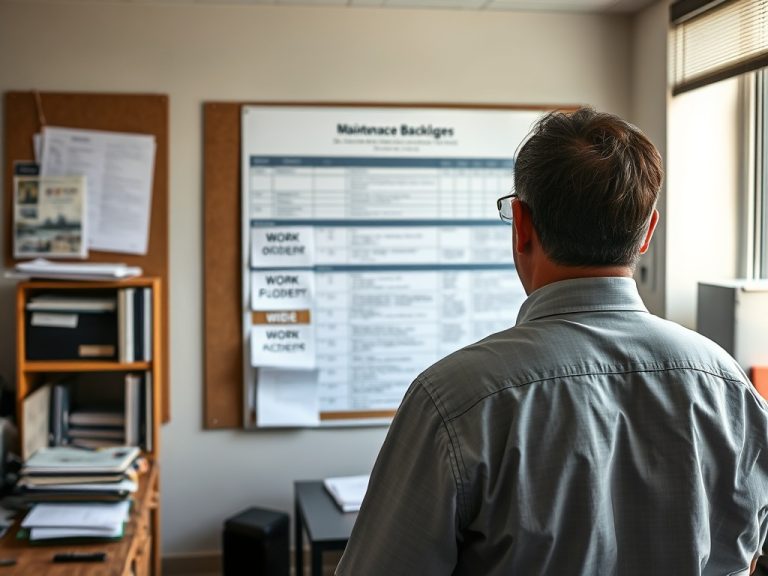
A generator also needs a documentation trail. Keep the one-line diagram, panel schedules, transfer switch information, fuel records, testing logs, warranty documents, and service contacts in a place the team can reach during an outage. When open defects compete with other work, a formal maintenance backlog process helps decision-makers see which generator issues carry operational or safety consequences.
Mistakes that weaken generator readiness
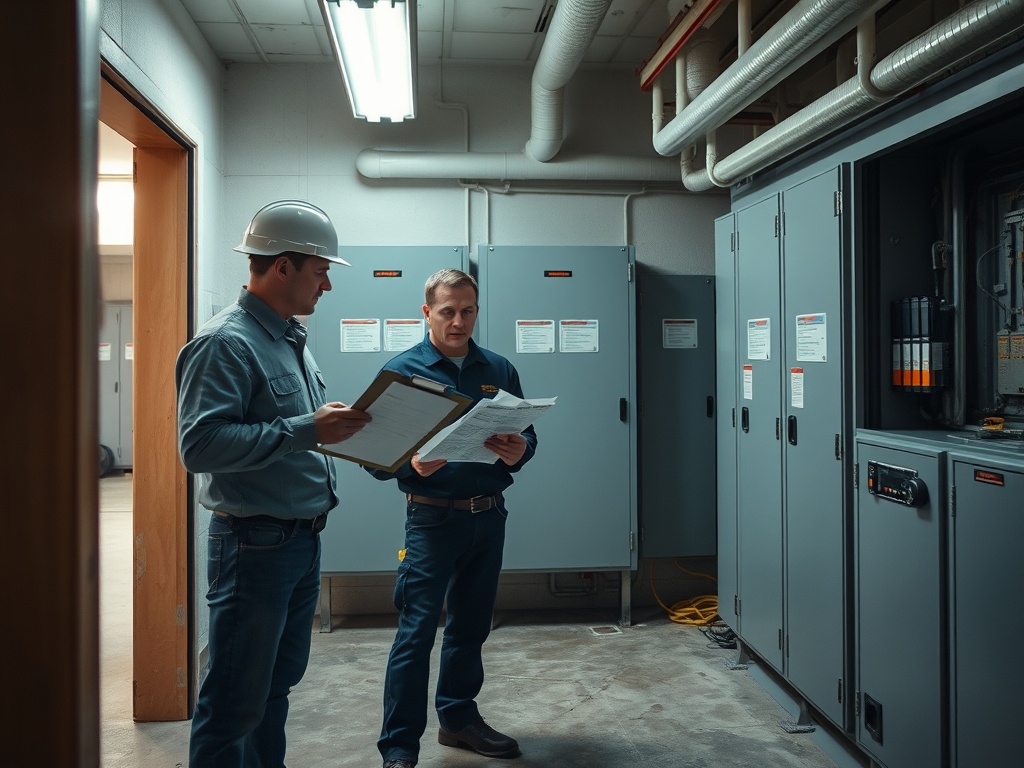
Several recurring problems make standby systems less dependable. One is unclear ownership: electrical contractors, generator service vendors, facility staff, and tenants may each assume someone else is checking batteries, fuel quality, alarms, or load changes. Another is poor labeling, especially when panels have been modified without updating directories.
Testing can also become too narrow. A generator may start during a routine exercise, yet still have transfer, fuel, cooling, or load-management issues that only appear under more realistic operating conditions. Testing scope should be set by the applicable code, manufacturer guidance, operational risk, and professional judgment. No article can replace that project-specific review.
Generator readiness checklist
- Confirm which loads are legally required, operationally critical, optional, or intentionally excluded.
- Keep transfer switches, emergency panels, disconnects, and fuel-system components clearly labeled.
- Maintain a current sequence of operations that explains automatic and manual steps.
- Review testing logs for missed exercises, recurring alarms, weak batteries, coolant issues, leaks, or fuel concerns.
- Train more than one person to read status indicators and escalate faults.
- Coordinate spare parts, service access, and specialty tools through a tool crib system when the maintenance team supports multiple sites.
Emergency-power questions to settle before procurement
Before buying or replacing equipment, ask which loads are essential for life safety, which loads protect property, and which loads are mainly for comfort or business continuity. Those answers should be written plainly because they affect transfer equipment, panel routing, fuel storage, and the owner’s expectations during an outage.
Ask who is allowed to operate or reset equipment. Some systems should start and transfer automatically, while other actions may require a trained electrician, generator technician, facility engineer, or emergency responder. A clear authority list prevents well-meaning staff from opening panels, bypassing alarms, or changing load priorities without understanding the risk.
Ask how the system will be accessed during severe weather, after hours, or during a security event. A generator that is technically adequate but blocked by snow, vehicles, locked gates, poor lighting, or missing keys can still fail the building operationally. Access planning should include service vendors and fuel delivery, not only in-house staff.
Ask what evidence proves readiness. A start log is useful, but owners also need records of alarm response, battery condition, fuel condition, coolant issues, load changes, service recommendations, and unresolved deficiencies. Those records make budget discussions more specific and help new staff understand the system they inherited.
Ask how tenant changes will be reviewed in the future. New kitchens, server rooms, medical suites, sump pumps, security systems, or lab equipment can change the load profile. Build a policy that sends electrical changes through a standby-power review before anyone promises backup power to a tenant.
A practical handoff for the facilities team
For a beginner building owner or manager, the smartest next step is to create a one-page emergency power map. List supported loads, transfer switches, service vendors, fuel contacts, testing frequency, and unresolved issues. Then ask a qualified electrician, engineer, generator technician, or code professional to review the system against local requirements and the building’s actual risk profile.