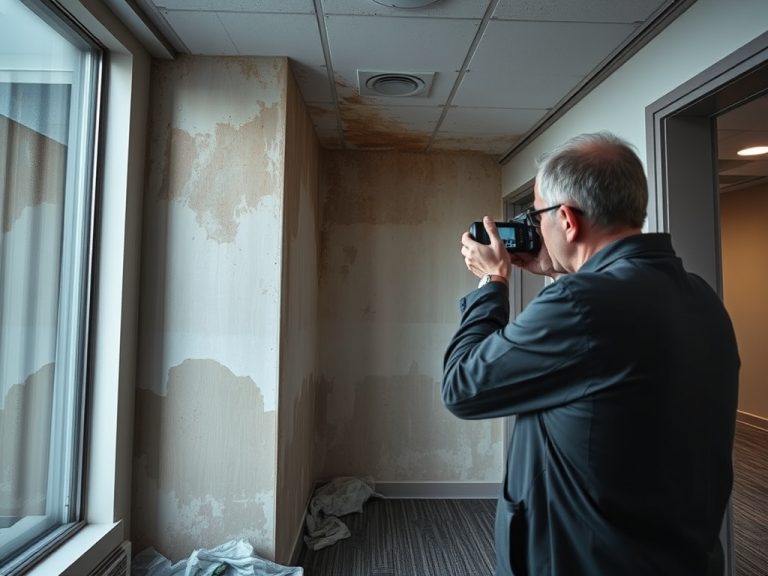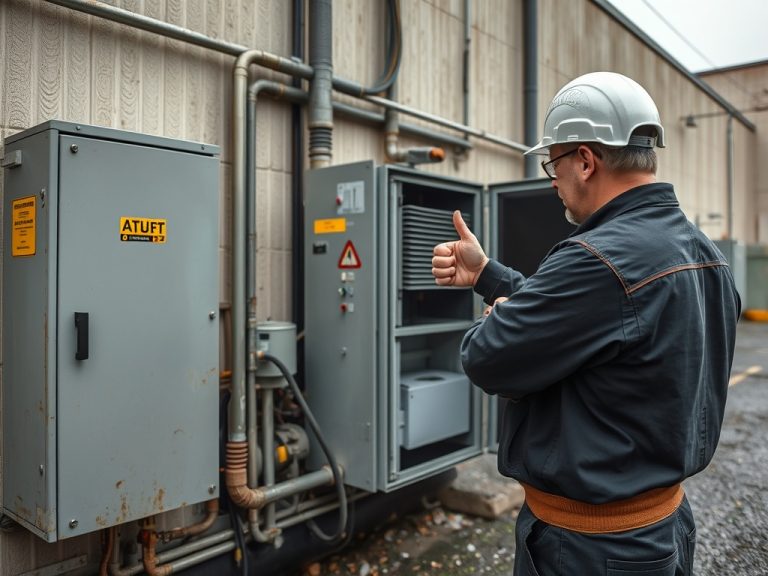
Welding, cutting, and grinding safety starts with recognizing hot work as a controlled activity, not a routine task to squeeze into the schedule. Sparks, heat, fumes, noise, electrical hazards, and combustible materials can create serious risk if the work area is not prepared and monitored.
Hot-work safety priorities
- Welding, cutting, and grinding can create fire, burn, fume, eye, noise, electrical, and struck-by hazards.
- A safe hot-work process combines planning, permits where required, hazard removal, fire watch, ventilation, PPE, tool condition checks, and clear closeout.
Define hot work before the crew starts
Hot work generally includes operations that produce flame, heat, or sparks, such as welding, torch cutting, brazing, soldering, and some grinding. OSHA welding, cutting, and brazing requirements address fire prevention, protection, and safe work practices. NFPA 51B also focuses on fire prevention during welding, cutting, grinding, and similar work that can produce heat or sparks.
Requirements vary by jurisdiction, facility policy, insurance requirements, and work setting. A refinery, school, warehouse, hospital, high-rise, home remodel, or tenant improvement project may each require different permits, notifications, isolation steps, and fire-watch procedures.
Prepare the area before striking an arc or wheel
The safest hot-work area is one where combustibles are removed or protected, hidden spaces are checked, ventilation is considered, and nearby people know what is happening. That preparation should include overhead, below, behind walls, inside chases, and on the other side of partitions. Sparks can travel and smolder in places that are not visible from the work position.
Tool condition matters too. Damaged cords, missing guards, wrong wheels, unsecured cylinders, poor grounding, unstable work pieces, and unprotected hoses all increase risk. A controlled tool crib system can help ensure grinders, welding leads, regulators, screens, fire blankets, and extinguishers are inspected and issued with accountability.
Controls to include in a hot-work plan
| Control area | What to check | Why it matters |
|---|---|---|
| Combustibles | Remove, cover, or isolate nearby combustible materials and hidden spaces. | Reduces fire and smoldering risk. |
| Atmosphere and ventilation | Consider fumes, confined spaces, coatings, and adjacent occupants. | Protects workers and building users from exposure. |
| Fire protection | Extinguishers, fire watch, alarm coordination, and post-work monitoring. | Supports fast response if ignition occurs. |
| Equipment condition | Guards, wheels, leads, hoses, regulators, cylinders, and grounding. | Reduces tool failure and electrical or mechanical hazards. |
| Closeout | Inspect the area after work and restore protection systems. | Prevents delayed ignition and missed impairments. |
PPE is necessary, but not the whole plan
Eye and face protection, gloves, flame-resistant clothing, respiratory protection when required, hearing protection, and protective footwear all have roles. However, PPE should not replace hazard removal, engineering controls, ventilation, isolation, or safe sequencing. The right PPE depends on the process, material, environment, and applicable safety plan.
Solar-ready roofing and electrical planning, mechanical retrofits, structural repairs, and demolition can all create situations where hot work appears late in the schedule. The time to discuss cutting, welding, grinding, or roof penetrations is before finishes, insulation, combustible storage, or occupied work zones make controls harder.
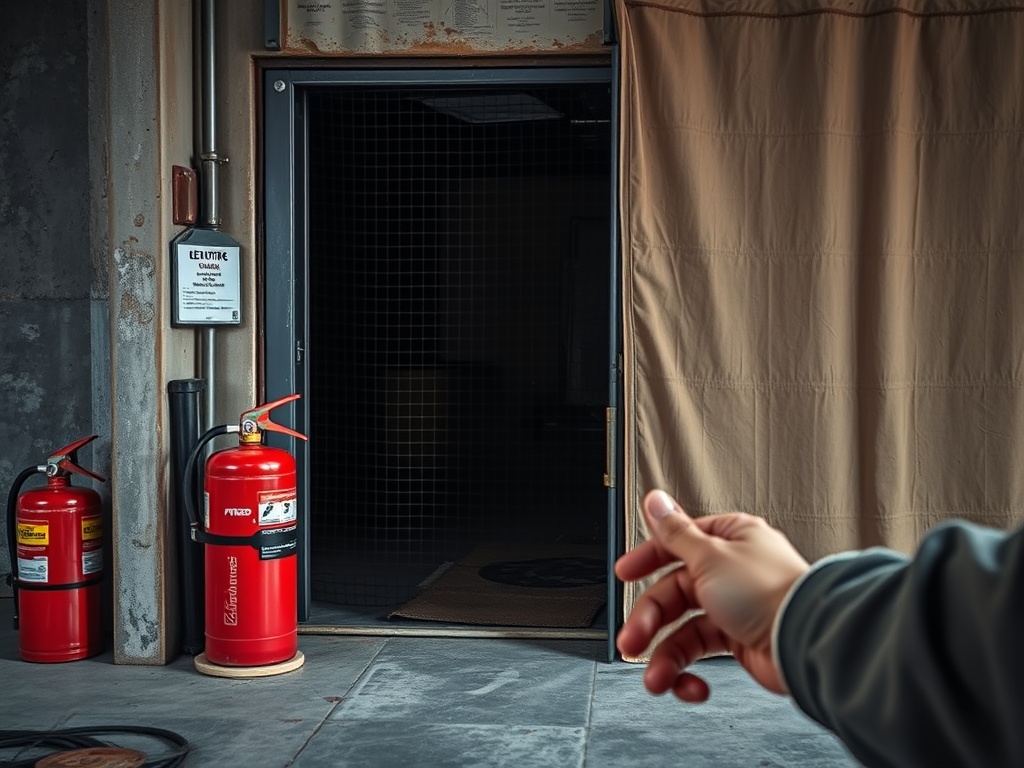
Common hot-work mistakes
- Treating grinding as low risk because it is not open-flame work.
- Checking only the immediate work surface and ignoring hidden cavities or the opposite side of a wall.
- Starting without confirming fire watch, alarm coordination, or post-work inspection responsibilities.
- Using damaged cords, wrong abrasive wheels, missing guards, or unsecured cylinders.
- Failing to control fumes from coatings, galvanized materials, confined spaces, or poor ventilation.
- Doing noisy or smoky work near occupied areas without coordinating tenant improvement projects and communication plans.
Supervisor questions before issuing hot-work approval
Ask whether the work can be moved to a safer location. Cutting or welding in a designated shop area may reduce fire exposure, improve ventilation, and simplify fire watch. Field hot work should be justified by access, size, installation sequence, or other practical constraints.
Ask what combustible materials are above, below, behind, and beside the work. Packaging, insulation, dust, wood blocking, vapor barriers, roof materials, stored goods, and concealed debris may not be obvious from the work face. The inspection should include adjacent rooms and hidden spaces where sparks could travel.
Ask who is responsible for ventilation and exposure control. Fumes can come from base metals, coatings, residues, confined areas, or nearby materials. The supervisor should not assume ordinary room ventilation is enough when the process or material creates a specific exposure concern.
Ask who has authority to stop the work. A fire watch, safety representative, superintendent, facility manager, or permit issuer should be able to pause work if conditions change. That authority should be clear before production pressure builds.
Ask how long the area will be watched after work stops. Delayed ignition can occur when sparks reach concealed material. The watch period should follow site policy, permit conditions, applicable standards, and the judgment of qualified safety personnel.
Ask what systems must be restored. Fire alarms, sprinklers, dampers, ventilation, barriers, access control, and temporary covers may be altered during work. Closeout should confirm those protections are back in service before the space is returned to normal use.
Training should match the task. A worker who can operate a grinder is not automatically prepared to approve hot work in an occupied building, confined area, or combustible roof assembly. Supervisors should know the permit process, fire-watch expectations, emergency contacts, and stop-work triggers.
Occupied buildings need special communication. Smoke, odor, noise, alarms, blocked corridors, or temporary system impairments can affect tenants and visitors. Notify affected parties before work begins, protect nearby finishes and air paths, and confirm who will communicate if conditions change during the task.
Documentation should be simple enough to complete in the field. A permit or checklist should record the work area, process, hazards removed, protection used, fire watch, start and stop times, and closeout inspection. Long forms that crews cannot finish accurately may create paperwork without control.
Grinding deserves special attention because it is often treated as ordinary prep work. Abrasive wheels can fail, guards may be removed, sparks can travel, and dust or coatings can create exposure concerns. Treat grinding as part of hot-work planning when it produces sparks or heat near combustibles.
Emergency planning should be visible at the work area. Crews should know alarm procedures, extinguisher locations, evacuation routes, first-aid contacts, and how to report a near miss or changed condition.
A safer closeout after the sparks stop
Closeout should be part of the job, not an afterthought. Inspect nearby areas, restore fire protection, remove temporary coverings safely, confirm cylinders and tools are secured, and document the work. The next step is to build a short hot-work checklist for your site or facility and have a qualified safety professional review it against OSHA rules, NFPA guidance, local requirements, and the specific work being performed.