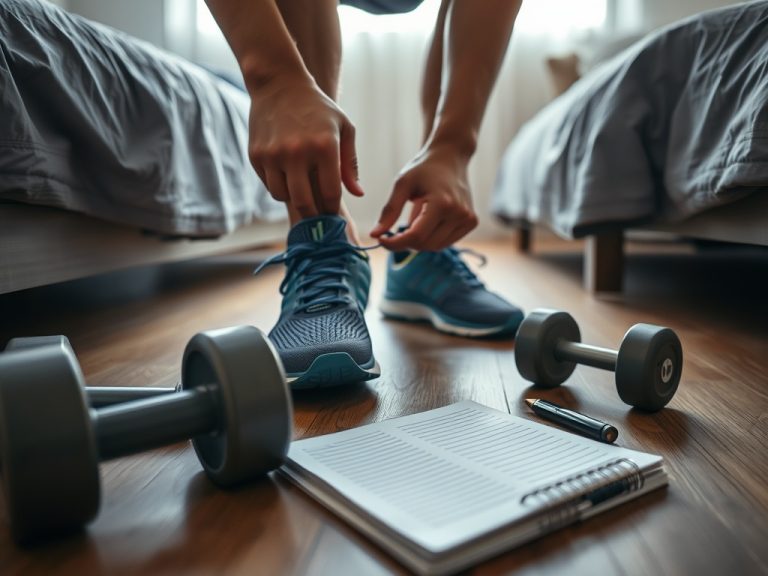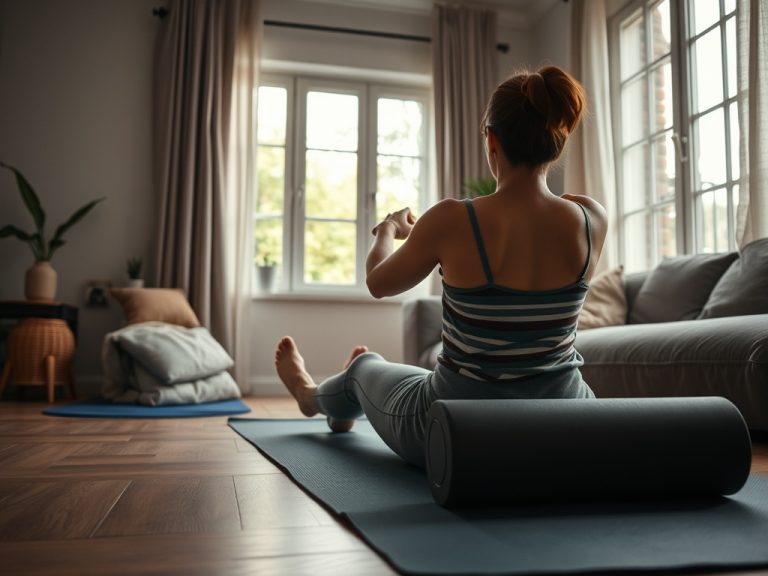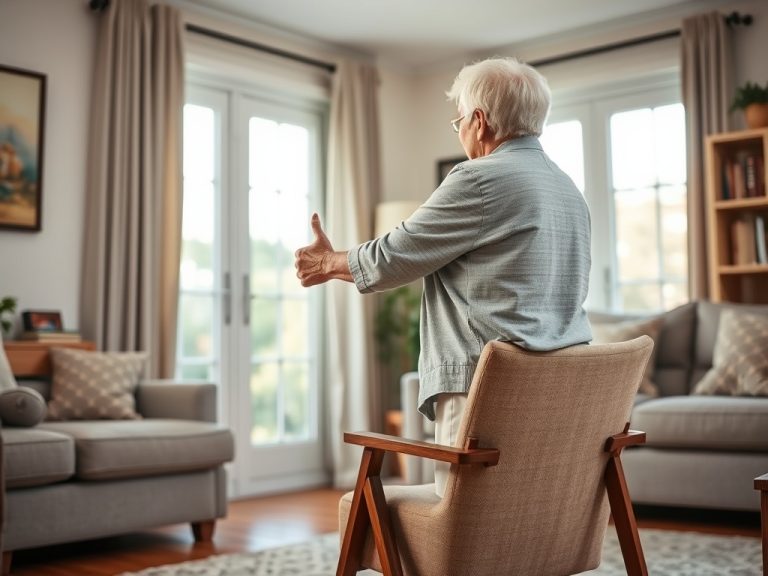
The best fitness goals for women who want to feel stronger focus on capability, consistency, and confidence rather than shrinking. Strength, stamina, balance, and skill give clearer progress markers than body size alone.
TL;DR: Use the points below as the practical filter before you change your routine.
- Strength-focused goals can support confidence, capability, and health without making body size the main score.
- Useful goals track performance, energy, posture, consistency, and skill.
- The best goal is specific enough to practice and respectful enough to repeat.
Strength is a better center than shrinking
Fitness goals for women do not need to orbit smaller measurements. Many women want to feel steadier, more capable, less fragile, and more confident in daily life. Strength-focused goals can support those outcomes by tracking what the body can do: carry, lift, climb, push, pull, balance, and recover. Body composition may change for some people, but it does not have to be the only proof that training matters.
This is not a claim that appearance goals are invalid. It is a reminder that health and fitness include function, confidence, energy, bone and muscle support, cardiovascular capacity, and mental resilience. The CDC adult activity guidance includes both aerobic and muscle-strengthening activity, which supports a broader view than weight alone. The CDC physical activity overview is a helpful baseline for general adult recommendations.
Goal ideas that build capability
A beginner might set a goal to perform ten controlled incline push-ups, carry groceries without switching hands every few steps, walk briskly for twenty minutes, or learn a safe hip hinge. An intermediate exerciser might aim for consistent twice-weekly lifting, a stable split squat, a dead hang, or a stronger row. An advanced exerciser might track bar speed, training volume, recovery quality, or race-specific strength.
Grip is a practical example because it connects the gym to daily life. Better grip can help with rows, deadlifts, carries, jars, bags, and overall confidence with load. The guide on grip strength for lifting offers a direct way to train that skill without turning every workout into a max test.
A case-style example without the fake transformation story
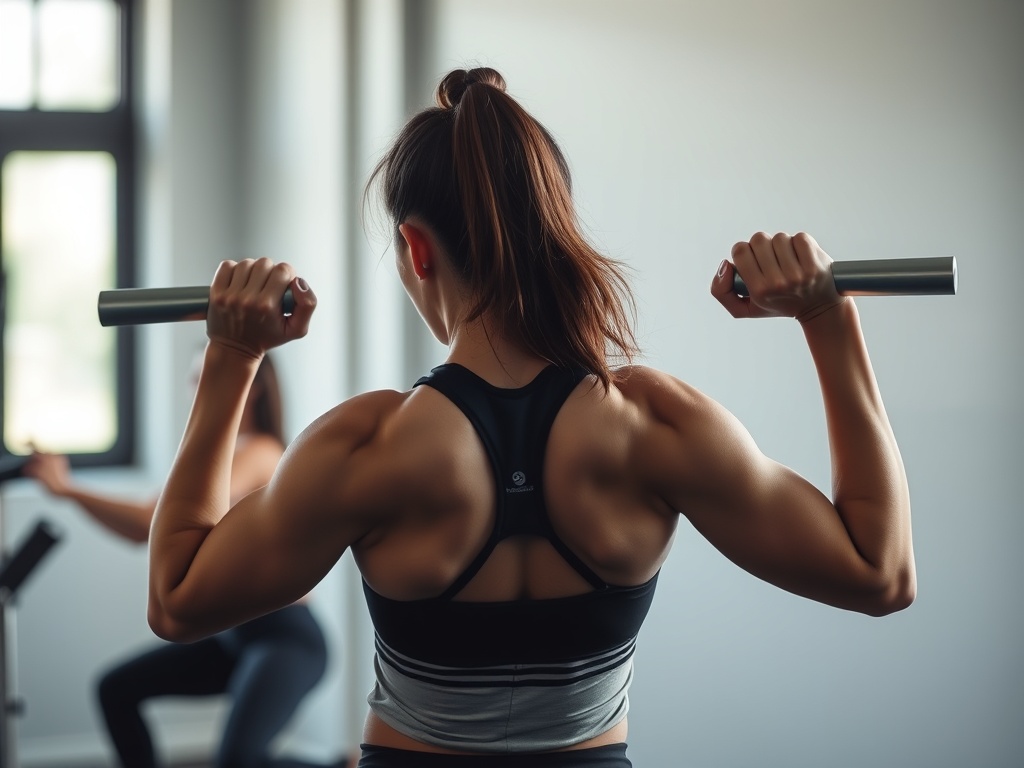
Imagine a woman returning to training after several busy years. A scale-focused plan might ask her to chase a number immediately, even though sleep, schedule, and strength are inconsistent. A strength-centered plan might start with two weekly sessions, a walking target, and three performance markers: a sit-to-stand set, a carry distance, and a push-up variation. After four weeks, the question becomes, 'What became easier?' rather than 'Did you become smaller?'
That example is not a promised result. It is a planning model. Many people report feeling more motivated when goals reward practice rather than self-criticism. The measurable outcomes should still be real: sessions completed, loads lifted, distance walked, resting effort, or mobility improvements.
How to write a strong goal
Use the format: action, dose, context, and review date. For example: 'I will complete two full-body strength sessions per week for four weeks and review my carry distance at the end.' Another example: 'I will walk after lunch three days per week and note my energy before dinner.' This structure keeps the goal observable without tying every day to body judgment.
Nutrition can support these goals without becoming restrictive. A plate pattern with protein, produce, fiber-rich carbohydrates, and fats can help training feel better. The article on balanced plate planning explains how to use that structure for weight management or maintenance without making meals joyless.
Avoiding gendered fitness traps
One trap is assuming women should train only with light weights for tone. Another is assuming every woman should lift as heavy as possible. The right load depends on training age, health status, technique, goals, equipment, and recovery. A third trap is treating soreness as proof that the workout worked. Soreness may happen, but performance, consistency, and comfort matter more.
Language matters too. A goal framed as punishment for eating or pressure to become smaller can make exercise emotionally expensive. A goal framed around strength, energy, balance, or skill gives the routine a reason to exist even when body changes are slow. That tends to support long-term adherence.
When to adjust the goal
Adjust when the plan repeatedly fails, when pain appears, when recovery worsens, or when the marker no longer feels meaningful. If missed workouts keep piling up, the goal may need redesign rather than more pressure. The guide on quitting repeat goals can help identify whether the issue is time, friction, fear, boredom, or unrealistic standards.
A stronger goal for the next month might be simple: choose one lift, one walking marker, and one recovery marker. Track them weekly. Celebrate evidence of capability. The next step is to write a goal that you would still respect even if your body size stayed exactly the same for four weeks.
How to measure strength without shrinking the goal
Good strength goals use tests that match daily life. Track how many controlled sit-to-stands you can do, how far you can carry a moderate load, how steady a single-leg balance feels near support, or how many quality rows you complete. These markers are not less serious than body measurements; they often reflect the reason many people start training.
Progress can also be technical. A smoother squat, better breathing under load, or more confident setup before a lift may not look dramatic in a photo, but it changes the training experience. Skill-based progress is especially useful when body-composition change is slow or not the main priority.
The plan should remain inclusive. Women vary widely in age, goals, health history, equipment access, and training preference. A respectful strength goal leaves room for that variety instead of prescribing one ideal body or one perfect training style.
Examples of strong, non-shrinking goals
A four-week goal might be to lift twice weekly and improve a suitcase carry by ten steady steps per side. Another goal might be to complete three brisk walks per week and feel less winded on a familiar hill. A third might be to learn three movement patterns with good form: hinge, row, and squat. Each goal measures practice and capability.
For women returning after pregnancy, injury, menopause changes, or long breaks, the goal may need professional guidance. Pelvic-floor symptoms, joint pain, dizziness, or unusual fatigue should not be ignored. Strength is empowering when it is scaled to the person in front of the plan.
How to protect motivation when progress is uneven
Strength progress rarely moves in a straight line. Sleep, hormones, stress, schedule changes, and nutrition can make one week feel easier than another. Use a four-week view rather than judging every session. If the general trend shows better skill, steadier attendance, or improved confidence, the goal is working even if one workout feels flat.