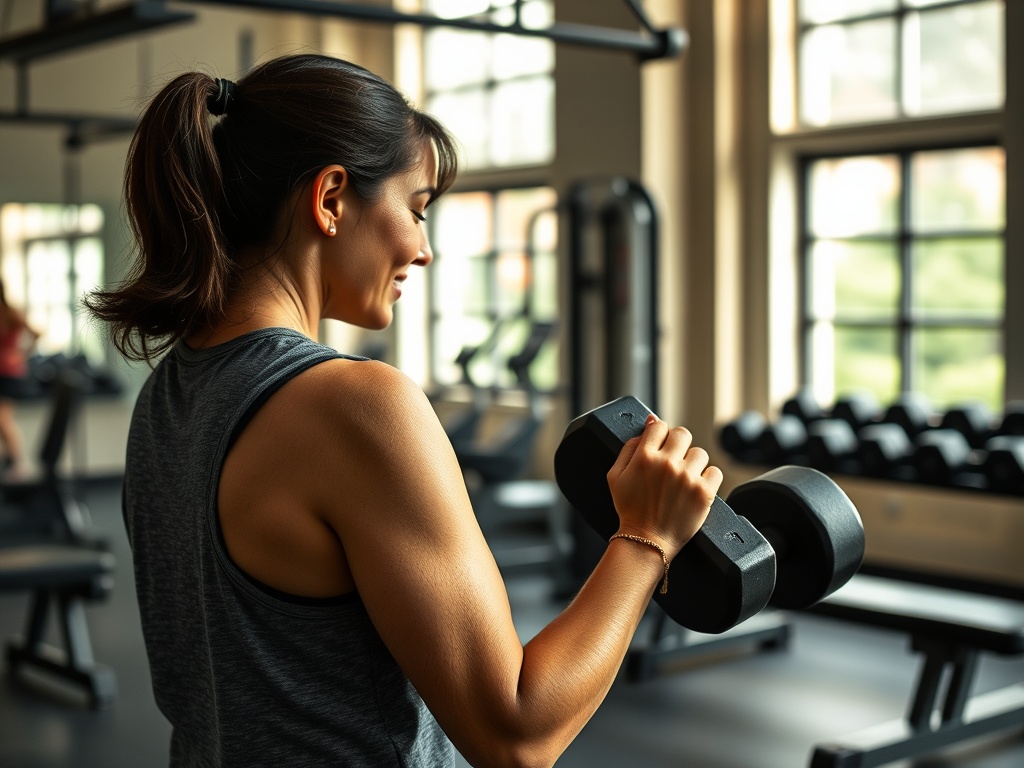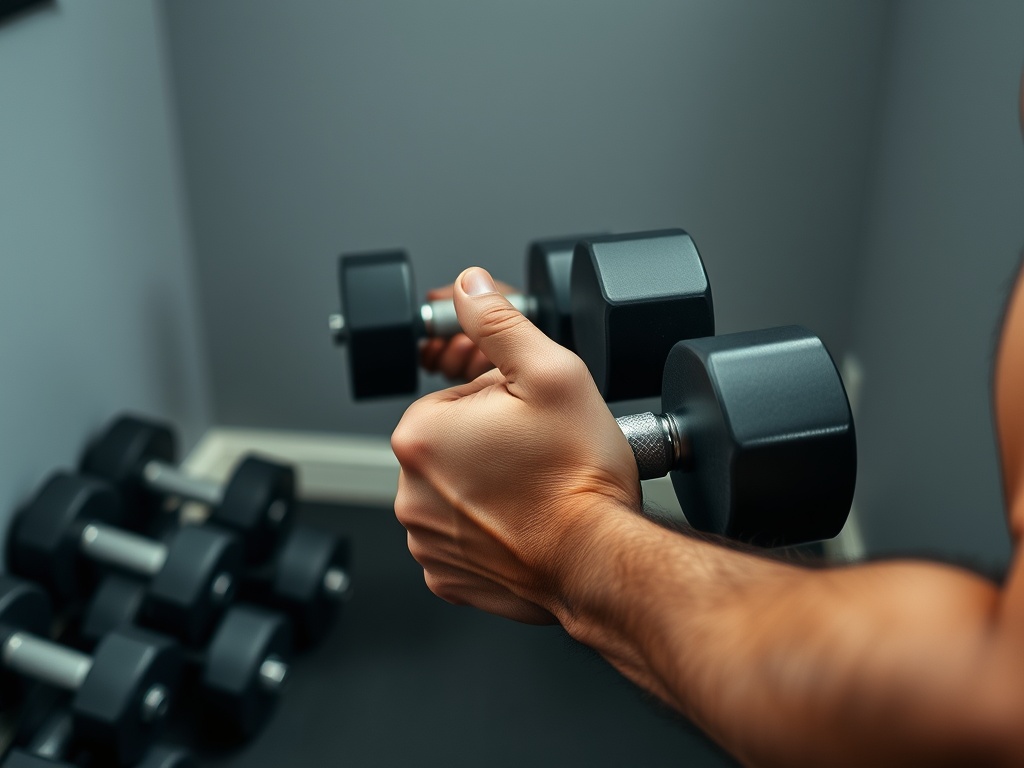

To improve grip strength, train the exact ways your hands fail: holding, carrying, hanging, squeezing, and stabilizing the wrist. Better grip helps lifting when it supports the main movement instead of exhausting your forearms first.
TL;DR: Use the points below as the practical filter before you change your routine.
- Grip strength supports pulling, carrying, deadlifting, rowing, and safer control of weights.
- Train it directly, but do not let grip fatigue ruin every major lift.
- Progress with holds, carries, hangs, and controlled pulling volume before adding gimmicks.
Why grip can limit good lifting before muscles do
Grip strength is the ability to hold, squeeze, pinch, and control an object under load. In the weight room, weak grip can show up as a bar slipping during deadlifts, dumbbells drifting during lunges, or rows ending because the hands fail before the back does. Better grip does not guarantee a bigger lift by itself, but it removes one common weak link in pulling and carrying movements.
The larger training principle is progressive overload: expose the body to a challenge it can recover from, then gradually increase difficulty. The American College of Sports Medicine notes that resistance training variables such as load, volume, frequency, and exercise selection matter for strength and performance. Grip work should follow the same logic instead of relying on random burnout sets. See the ACSM resistance training update for a research-focused overview of how resistance training prescriptions are discussed.
The four grip patterns lifters should understand
Crush grip is the squeezing action used with grippers or a firm dumbbell handle. Support grip is the ability to hold load over time, as in deadlifts, farmer carries, and hanging from a bar. Pinch grip uses the thumb against the fingers, often trained with plates or blocks. Wrist and forearm control helps keep the hand position stable while force travels through the arm.
Most lifters do not need to specialize in all four at once. A practical plan starts with support grip because it transfers to many lifts and daily tasks. Farmer carries, suitcase carries, dead hangs, and timed barbell holds are simple options. If your broader weekly routine also includes endurance work, the article on strength training with half-marathon prep can help keep grip training from crowding out running recovery.
A checklist for stronger hands without overuse
Use this sequence before adding more exercises: first, confirm that your main pulling lifts use a secure setup. Second, add one direct grip drill two or three times per week. Third, keep most sets away from total failure. Fourth, rotate stress across holds, carries, and controlled squeezing. Fifth, watch for elbow or wrist irritation, because tendons often complain before muscles do.
A simple session might include three timed farmer carries, two dead hangs, and two light wrist-extension sets. Another session might use suitcase carries and plate pinches. Keep the grip block short enough that you can still train the lift that matters. If every pull session becomes a forearm contest, performance may drop rather than improve.
Technique details that change the result
Chalk can reduce slipping, but it should not hide poor hand placement. Wrap the fingers firmly, keep the wrist mostly neutral, and avoid letting the weight roll into the fingertips unless that is the intended drill. In carries, stand tall, keep ribs stacked over the pelvis, and walk with steady steps. In hangs, start with short holds and get comfortable with shoulder position before chasing long times.
If your workweek is already packed, pair grip with ordinary movement rather than adding a long separate workout. Carry grocery bags evenly, use a loaded backpack carefully, or add a short carry after a strength circuit. This fits the broader idea that busy-week exercise can include purposeful movement outside a gym, as long as the effort is safe and repeatable.
Common errors that stall progress
The first error is testing grip every day instead of training it. Max hangs, max grippers, and all-out holds create fatigue that may interfere with pulling lifts. The second error is ignoring the opposite side of the forearm. Light wrist extension, finger opening against a band, and controlled mobility can balance repeated squeezing. The third error is using straps for everything or for nothing. Straps can protect back training volume, but some unstrapped work keeps the hands involved.
Do not confuse pain with adaptation. Forearm warmth and fatigue can be normal after new work; sharp pain near the elbow, numbness, tingling, or persistent wrist discomfort deserves caution. If symptoms continue, a qualified clinician or physical therapist can assess whether technique, tissue tolerance, or a separate issue is involved.
A four-week starter progression
Week one: choose one carry and one hang variation, then stop while form is clean. Week two: add five to ten seconds to each hold or one additional carry trip. Week three: add load only if the previous week was stable. Week four: reduce volume slightly and retest one practical marker, such as a farmer-carry distance or a controlled dead-hang time. This is not a medical test; it is a training checkpoint.
Recovery still matters. Grip uses small tissues repeatedly, and those tissues may be stressed by typing, manual work, racket sports, or climbing. On days when the hands feel beaten up, use active recovery versus rest to decide whether light mobility is enough or whether complete rest is wiser. The best next step is to add one grip drill after your next pulling workout, record the time or distance, and repeat it for three weeks before changing the plan.
How to fit grip work into a full program
Grip work belongs near the end of most lifting sessions unless grip is the main goal of the day. If heavy deadlifts, rows, or pull-ups come first, direct holds afterward make sense because the major skill has already been trained. If you put long hangs or max carries before the main lift, the hands may fail before the target muscles get enough work.
Use a simple scoring method. Record load, time, distance, or perceived difficulty, but not all of them at once. For carries, distance and posture quality may matter more than load. For hangs, shoulder comfort and controlled breathing matter as much as seconds. For pinches, smooth release is safer than dropping plates when the thumb fails.
Grip also responds to life stress. Manual labor, racquet sports, climbing, childcare, cooking, and long keyboard days can all add hand and forearm volume. If elbow irritation begins, reduce direct grip work first, keep lower-body and core training, and return gradually when symptoms calm.
Small tests for real-world carryover
After three weeks, test grip in a way that resembles your goal. A deadlift-focused lifter might compare the same warm-up set with less slipping. A climber might note easier control on familiar holds. A general fitness trainee might carry two bags with better posture. The test should be specific enough to matter and modest enough not to derail the next session.