Movement snacks are short activity breaks that interrupt long sitting periods. For older adults, the best ones are safe, simple, repeatable, and focused on strength, balance, mobility, or circulation.
TL;DR: Use the points below as the practical filter before you change your routine.
- Movement snacks are short, intentional bouts of activity placed between long sitting periods.
- Older adults benefit from options that support balance, strength, mobility, and circulation.
- Safety, support, footwear, and gradual progression matter more than making the snack intense.
What a movement snack means
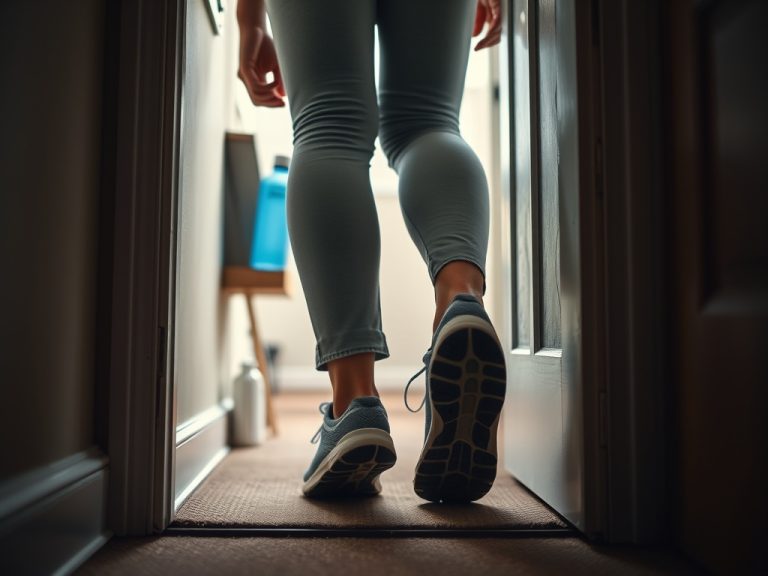
A movement snack is a brief activity break, usually lasting one to five minutes, inserted into a sitting-heavy day. For older adults, it might be repeated sit-to-stands, a short hallway walk, heel raises at the counter, gentle marching, shoulder mobility, or balance practice near a stable surface. The word snack is useful because the activity is small, repeatable, and easy to place between normal tasks.
The National Institute on Aging notes that physical activity is an important part of healthy aging and encourages older adults to build activity gradually. Its tips for getting active as you age emphasize starting slowly and using a mix of activity types. Movement snacks fit that advice because they lower the barrier to starting.
The best categories for sitting-heavy days
The first category is circulation: short walks, ankle pumps, or gentle marching. The second is strength: sit-to-stands, wall push-ups, counter-supported calf raises, or light carries. The third is balance: standing with feet close together near support, heel-to-toe stance, or slow weight shifts. The fourth is mobility: shoulder rolls, neck comfort movements, or gentle hip motion.
Not every snack needs all four categories. A useful day might include one walking snack, one sit-to-stand snack, and one mobility snack. For older adults who already exercise, snacks can reduce long sitting without replacing planned workouts. For beginners, snacks can become the first bridge toward a broader routine.

Safety checks before adding more
Choose stable footwear, clear the floor, and use a wall, counter, or sturdy chair when balance is uncertain. Avoid rushing. Stop if dizziness, chest discomfort, unusual shortness of breath, sharp pain, or sudden weakness appears. Anyone with a medical condition, recent surgery, falls, or significant balance concerns should ask a clinician or physical therapist what is appropriate.
CDC guidance for older adults includes aerobic, muscle-strengthening, and balance activities each week. The CDC older-adult activity overview is useful because it separates older-adult needs from generic adult advice. Movement snacks can contribute to those categories, but they still need to match the person.
A sample day of movement snacks
After breakfast, do five slow sit-to-stands from a chair if that is safe. Midmorning, walk through the home or hallway for two minutes. After lunch, stand at a counter and perform ten calf raises. Midafternoon, do shoulder circles and gentle marching. In the evening, practice a supported balance stance for twenty seconds on each side. The total time is small, but the sitting day has changed.
This approach also connects to the broader idea of busy-week exercise, where movement does not need a gym slot to count. For older adults, the key difference is that the movement should be stable, controlled, and easy to recover from. A snack that causes fear or pain is the wrong snack.
Common misconceptions
Misconception one: movement snacks are too small to matter. Small bouts may not replace structured exercise, but they can reduce uninterrupted sitting and build confidence. Misconception two: older adults should avoid strength work. Appropriate strength training can support function, but it should be scaled carefully. Misconception three: balance work is only needed after a fall. Balance is a skill that can be practiced before a problem becomes obvious.
Another misconception is that every snack needs equipment. A chair, counter, wall, hallway, and comfortable shoes are often enough. Equipment may help later, but the first goal is regular practice. The best movement snack is the one a person can do safely today and repeat tomorrow.
How to progress without rushing
Progress one variable at a time: add one repetition, one extra snack, a few more seconds, or a slightly longer walk. Do not add all of them together. Track confidence as well as completion. If a snack becomes easy and safe, it can grow. If it increases pain or fear, scale it back.
Nutrition and recovery also support active aging. The article on balanced plate planning gives a simple way to think about meals, while active recovery versus rest helps decide when movement is welcome and when rest is wiser. The next step is to pick three daily cues, such as after breakfast, after lunch, and before the evening news, and attach one safe movement snack to each.
How caregivers and families can support movement snacks
Support works best when it preserves independence. Instead of ordering an older adult to exercise, help make safe movement easier: clear walkways, place a sturdy chair in a useful spot, keep supportive shoes accessible, and ask which activity feels comfortable. Small environmental changes can reduce fear and friction.
Pair snacks with familiar routines. After tea, do a hallway walk. After a television episode, perform a few supported stands. After brushing teeth, practice gentle heel raises at the counter. Familiar cues reduce the need to remember a separate exercise appointment.
Celebrate confidence, not intensity. For an older adult who has been sitting for long periods, the win may be standing more often, moving with less hesitation, or feeling safer during daily tasks. Those outcomes deserve attention even before formal fitness markers change.
A one-week starter menu
Day one can be two hallway walks. Day two can add five sit-to-stands. Day three can include supported heel raises. Day four can repeat the easiest options. Day five can add gentle shoulder mobility. Day six can include a balance hold near a counter. Day seven can review which snacks felt safe and useful.
This menu is intentionally modest. Older adults who already exercise may need more challenge, while those with health concerns may need less. The value is the routine: brief, safe, repeated movement that interrupts sitting and creates confidence for the next week.
How to know the snacks are working
Look for practical signs: standing from a chair feels smoother, short walks feel less disruptive, stiffness eases after breaks, or confidence improves when moving around the home. These are not dramatic before-and-after claims. They are functional signals that the day contains more movement and less uninterrupted sitting than before.
Why consistency beats novelty
Novel exercises can be fun, but older adults who sit too much usually benefit first from familiar, safe repetition. Repeating the same few snacks builds confidence, makes balance demands predictable, and helps family members notice whether anything feels different.