Cluster: Dental Implants & Tooth Replacement | Type: Beginner Guide | Funnel: Top of Funnel
TL;DR
A dental implant is a titanium post placed into the jawbone that acts as an artificial tooth root. It's one of the most durable tooth replacement options available—but not everyone qualifies, the process takes months, and costs vary significantly. This guide covers the basics for patients considering implants for the first time.
What a Dental Implant Actually Is
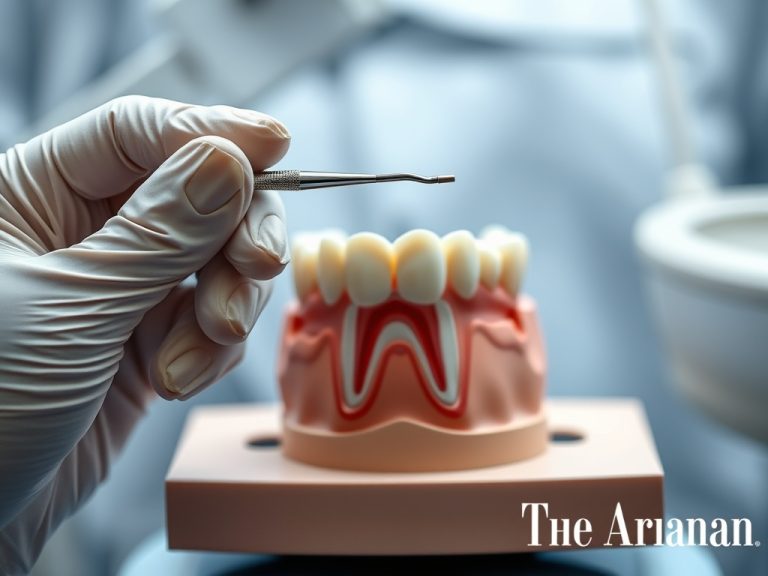
The term "dental implant" is often used loosely to mean the visible tooth replacement, but it technically refers to the titanium fixture—roughly the size and shape of a small screw—that is surgically placed into the jawbone where a tooth root used to be.
Once placed, the implant fuses with the surrounding bone through a biological process called osseointegration. After healing, an abutment (connector) is attached to the implant, and a crown is placed on top. According to the American Academy of Implant Dentistry, the implant also stimulates the jawbone the way a natural root does, preventing the bone loss that often follows tooth extraction—an advantage over bridges and dentures.
Who Is a Good Candidate?
Good candidacy for dental implants generally requires:
- Adequate jawbone density and volume to support the implant. Patients who've had a tooth extracted for a significant period may have experienced bone loss and may need a bone graft before implant placement.
- Healthy gum tissue without active periodontal disease. Active gum disease must be treated before implants are considered.
- Overall health that supports surgical healing. Most healthy adults are candidates. Certain conditions—uncontrolled diabetes, autoimmune disease, radiation therapy to the jaw—may affect eligibility or require additional evaluation.
- Completed jaw growth. Implants are generally not placed in patients under 18 whose jaws are still developing.
- Non-smoker or willingness to stop smoking around the time of surgery. Smoking significantly increases implant failure rates.
A cone beam CT scan (CBCT) is typically used to assess bone quantity and quality before treatment planning. This three-dimensional imaging gives the implant team precise information that a standard X-ray cannot.
The Step-by-Step Process
- Consultation and imaging: Your dentist or oral surgeon reviews your dental and medical history, takes X-rays or CBCT scans, and determines whether implants are appropriate.
- Preparatory procedures (if needed): Extractions, bone grafting, or gum disease treatment may be required before implant placement.
- Implant placement: The titanium post is placed surgically under local anesthesia (IV sedation is also an option). Healing time after placement typically ranges from 3 to 6 months.
- Abutment placement: Once osseointegration is confirmed, the abutment is attached. Some cases use a one-stage approach that places the abutment at the same time as the implant.
- Crown placement: A custom-fabricated crown is attached to the abutment. The crown is matched to the color and shape of your surrounding teeth.
- Follow-up and maintenance: Regular check-ups and consistent oral hygiene keep the implant functional long-term.
How Long Does the Process Take?
From first consultation to final crown, the complete implant process typically takes between 3 and 12 months, with significant variation depending on whether preparatory procedures are needed. The healing phase after implant placement—the period during which osseointegration occurs—is typically the longest wait.
Immediate-load implants (sometimes called "same-day implants") can place a temporary crown at the time of implant surgery in appropriate cases, allowing function during the healing period. Not every patient qualifies for this approach.
What Implants Cost—and What Affects the Price
Dental implant costs vary considerably by location, provider, whether preparatory procedures are needed, and what type of crown is used. A single implant—including the post, abutment, and crown—commonly ranges from a few thousand dollars to significantly more in high-cost urban markets. Bone grafting, extractions, and diagnostic imaging add to that total.
Most dental insurance plans have limited implant coverage, though this is beginning to change as implants become more common. Some plans cover the crown portion but not the surgical placement. Financing plans through dental offices or third-party medical credit providers are widely available.
If you're managing active gum disease before moving toward implants, our guide on how to care for your mouth after scaling and root planing covers the treatment that often precedes candidacy evaluation.
Implants vs. Other Tooth Replacement Options
| Option | Bone Preservation | Feels Like Natural Tooth | Longevity | Typical Cost Tier |
|---|---|---|---|---|
| Dental Implant | Yes | Yes | Decades with maintenance | Highest |
| Implant-Supported Bridge | Partial | Close to natural | 15–20+ years | High |
| Traditional Fixed Bridge | No (pontic area loses bone) | Fairly natural | 10–15 years | Moderate |
| Partial Denture | No | Less natural | 5–10 years (adjustments needed) | Lower |
| Full Denture | No (continued bone loss) | Variable | 5–10 years | Lower |
What to Expect from Recovery
After implant placement, expect swelling, mild bruising, and discomfort for the first 3–5 days. These are normal responses to oral surgery. Pain management is typically handled with prescription or over-the-counter anti-inflammatories. Soft-food diets and modified oral hygiene are standard during initial healing. If your procedure involves IV sedation, our guide on preparing for IV sedation during oral surgery covers what to organize in advance.

Starting the Conversation with Your Dentist
If you're missing a tooth or have been told a tooth needs extraction, asking your dentist about implant suitability is a reasonable first step. Not every general dentist places implants—many refer to oral surgeons or periodontists for the surgical component, with the general dentist handling the crown. Understanding how that coordination works is useful before you begin.