
Cluster: Oral Surgery & Extractions | Type: Checklist | Funnel: Middle of Funnel
TL;DR
IV sedation for oral surgery is safe and widely used, but it requires specific preparation to go smoothly. The most critical rules: nothing to eat or drink for at least six hours before your appointment, arrange a driver, and disclose all medications and supplements to your oral surgeon ahead of time.
Why IV Sedation Is Used in Oral Surgery
Intravenous (IV) sedation—sometimes called conscious sedation or “twilight sedation”—is a level of sedation deeper than nitrous oxide but typically lighter than general anesthesia. Medications are delivered through an IV line to produce a relaxed, semi-conscious state. Most patients have little or no memory of the procedure, feel no pain, and recover within hours. The American Association of Oral and Maxillofacial Surgeons provides detailed guidance on how sedation is safely administered in oral surgery settings.
IV sedation is commonly used for wisdom tooth extractions, dental implant surgeries, bone grafting procedures, and cases involving significant patient anxiety. It allows the oral surgeon to work efficiently without the patient experiencing distress.
Pre-Procedure Preparation: The Full Checklist
In the Days Before Your Appointment
- Disclose all medications, including over-the-counter drugs, supplements, and herbal products. Some supplements (fish oil, vitamin E, ginger, garlic) and medications affect bleeding. Certain antidepressants and blood thinners require coordination with your surgeon and prescribing physician.
- Confirm your fasting instructions with your surgical office. The standard guideline from the American Society of Anesthesiologists is nothing to eat or drink (including water) for at least 6 hours before the procedure—often 8 hours for solid food. Specific instructions vary; follow whatever your provider gives you.
- Arrange a responsible adult driver. IV sedation impairs judgment, reaction time, and coordination for several hours after the procedure. You cannot legally drive yourself home and should not use rideshare services alone.
- Plan for recovery time. Most patients feel drowsy and disoriented for the remainder of the day. Arrange time off work and childcare if needed.
- Fill any post-procedure prescriptions in advance so they’re ready when you return home.
The Morning of Your Appointment
- Do not eat or drink anything after your cutoff time—including water, coffee, and gum.
- Take any medications your surgeon has specifically cleared for the morning of surgery, with the smallest sip of water necessary.
- Wear comfortable, loose-fitting clothing. Avoid tight sleeves that may interfere with IV placement.
- Leave jewelry, contact lenses, and nail polish at home. Nail polish can interfere with pulse oximeter readings.
- Arrive on time. Late arrivals may need to be rescheduled if the sedation window is affected.
Questions to Ask Before the Day of Surgery
A pre-operative consultation or phone call is standard before procedures involving IV sedation. Use that conversation to cover:
- What sedation medications will be used, and what are the possible side effects?
- What should I do if I’m taking a medication that might need to be adjusted or paused?
- What are my specific fasting instructions given my health history?
- What does normal recovery look like, and when should I be concerned?
- What is the emergency contact number if I have complications after returning home?
Medical Conditions That Require Extra Planning
Certain health conditions may affect how sedation is administered or whether additional precautions are needed. Be transparent with your oral surgeon about:
- Sleep apnea or airway difficulties
- Heart or lung conditions
- History of adverse reactions to anesthesia
- Diabetes, especially if insulin-dependent
- Kidney or liver disease
- Current pregnancy or the possibility of pregnancy
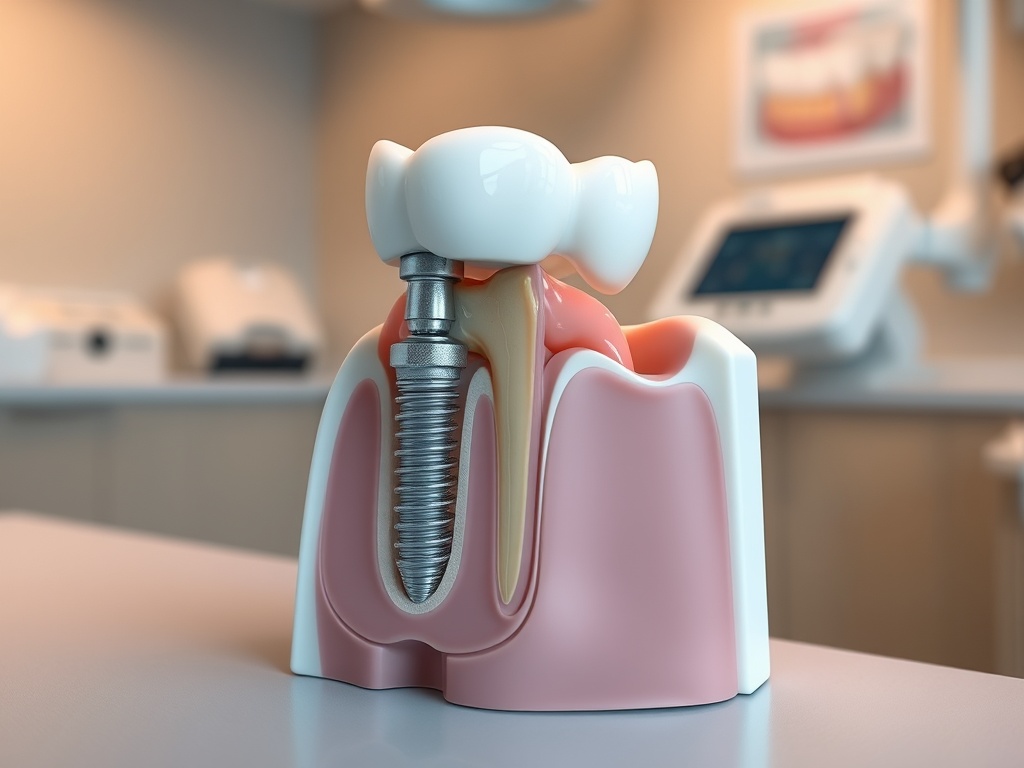
If your oral surgery procedure involves tooth extractions that lead to implant planning, your surgeon may also discuss the healing phase that follows. Our overview of dental implants 101 can help you understand what comes next if implants are part of your treatment plan.
What Recovery Looks Like at Home
The sedation medications leave your system within hours, but some residual grogginess and impaired judgment can persist for the rest of the day. Standard post-sedation guidance includes:
- No driving or operating machinery for 24 hours
- No alcohol for 24 hours (longer if prescription pain medication is prescribed)
- No making important decisions—financial, legal, or medical—for the remainder of the day
- Rest with your head slightly elevated to reduce swelling
- Begin oral hygiene care gently as directed by your surgeon
Red Flags That Require Immediate Attention After Surgery
Most IV sedation procedures are uneventful and recovery is straightforward. However, contact your surgeon’s emergency line—or go to the nearest emergency room—if you experience:
- Difficulty breathing or swallowing
- Rapidly worsening swelling of the face, neck, or jaw
- Uncontrolled bleeding that doesn’t slow with firm gauze pressure
- High fever, particularly combined with swelling
- Severe chest pain or irregular heartbeat
These symptoms can indicate rare but serious post-operative complications. Knowing when to escalate care quickly is as important as knowing how to manage normal recovery. If the procedure that prompted surgery was a tooth requiring extraction due to pulp death, our article on what causes a tooth to die without a big cavity provides context on how that condition progresses.

Planning Is What Makes It Smooth
Most patients find IV sedation far more manageable than they expected. The preparation steps above aren’t bureaucratic—they exist because sedation safety depends on the body being in a predictable state before medication is administered. Following them fully is how you ensure your surgical team can focus on the procedure rather than managing avoidable complications.
If you were referred to an oral surgeon by your general dentist and have questions about how that referral process works, our guide on how specialist referrals work in dentistry explains the coordination involved.