
Cluster: Endodontics & Tooth Pain | Type: Problem/Solution | Funnel: Top of Funnel
TL;DR
A tooth can die—meaning its internal nerve and blood supply are permanently lost—without ever having a visible cavity. Trauma, deep cracks, repeated dental procedures, and advanced gum disease are all common causes. A dead tooth may cause pain, discoloration, or no symptoms at all.
What 'Dying' Means in Dental Terms
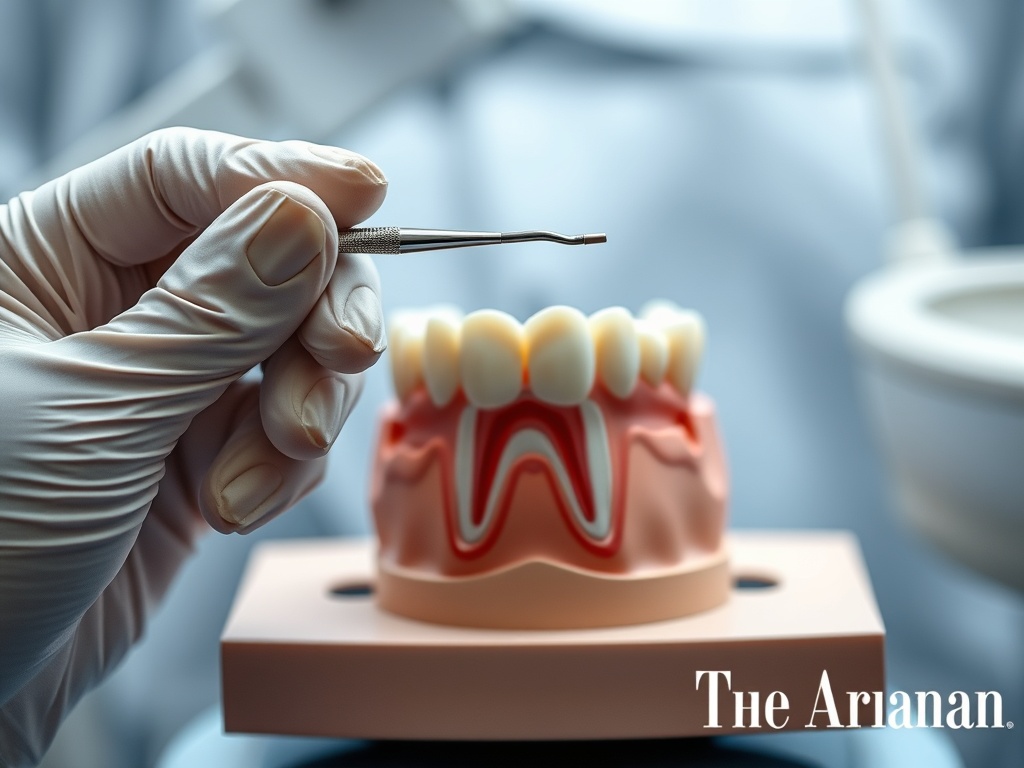
The inside of every tooth contains a pulp—a soft tissue chamber that holds blood vessels and nerves. When that pulp becomes infected, inflamed, or loses its blood supply, it begins to break down. Dentists call this pulp necrosis. According to the American Association of Endodontists, pulp tissue can deteriorate silently for months without causing obvious pain, which is why routine X-rays are essential for catching these changes early.
The absence of a cavity doesn't mean the tooth is healthy. Some of the most common causes of pulp death have nothing to do with the surface of the tooth at all.
Trauma: The Most Overlooked Cause
Physical impact to a tooth—from a sports injury, fall, car accident, or even a hard blow to the face years earlier—can disrupt the blood supply to the pulp even if the tooth looks intact on the outside. The tooth may not respond immediately. In some cases, the pulp damage progresses slowly over months or even years before symptoms appear or discoloration becomes visible.
A tooth that turns gray, brown, or noticeably darker than its neighbors has often undergone internal breakdown as a result of past trauma. This discoloration comes from the breakdown products of the dying pulp tissue leaching into the dentin—not from staining on the enamel surface.
Cracks That Don't Show on X-Rays
Cracked tooth syndrome is one of the more challenging dental conditions to diagnose precisely because hairline cracks in teeth frequently don't appear on standard X-rays. These cracks—often caused by years of clenching, grinding, or biting hard food—can propagate inward toward the pulp over time.
As a crack deepens, bacteria from the mouth can infiltrate the pulp chamber gradually, causing chronic low-level infection that eventually kills the pulp. The presenting symptom is often pain when biting or releasing pressure on a specific tooth, sometimes described as a sharp or electric sensation. By the time pulp involvement is confirmed, root canal treatment is typically necessary.
Repeated Dental Procedures on the Same Tooth
Each time a tooth is worked on—filled, crowned, re-filled—the pulp experiences some degree of stress. For most teeth this is tolerable, and the pulp recovers. But teeth that have undergone multiple restorations over many years have a higher cumulative likelihood of pulp complications. The closer that work comes to the pulp chamber, the greater the impact.
A tooth with a large existing filling that later develops sensitivity, spontaneous aching, or prolonged response to temperature changes may be signaling that the pulp is struggling. These are the warning signs that the next step may be a root canal rather than another filling.
Advanced Gum Disease and Root Infection
Severe periodontitis can lead to tooth death through a different pathway. As gum disease destroys the bone and tissue supporting a tooth, the tooth root becomes exposed to bacteria that can travel up through the tip of the root and into the pulp. This is called a retrograde pulpitis.
Teeth affected this way often have significant mobility and pocketing around them. The patient may have had gum disease for years and not connected the worsening symptoms to this outcome. Treatment in these cases typically requires addressing both the periodontal disease and the endodontic (root canal) issue.
Symptoms—and Why Some Teeth Show None
A dying or recently dead tooth may present with:
- Spontaneous or persistent toothache
- Extreme sensitivity to heat (a particularly notable warning sign)
- Visible discoloration compared to neighboring teeth
- A pimple-like swelling on the gum near the root tip (indicating abscess)
- Bad taste or odor that doesn't resolve with brushing
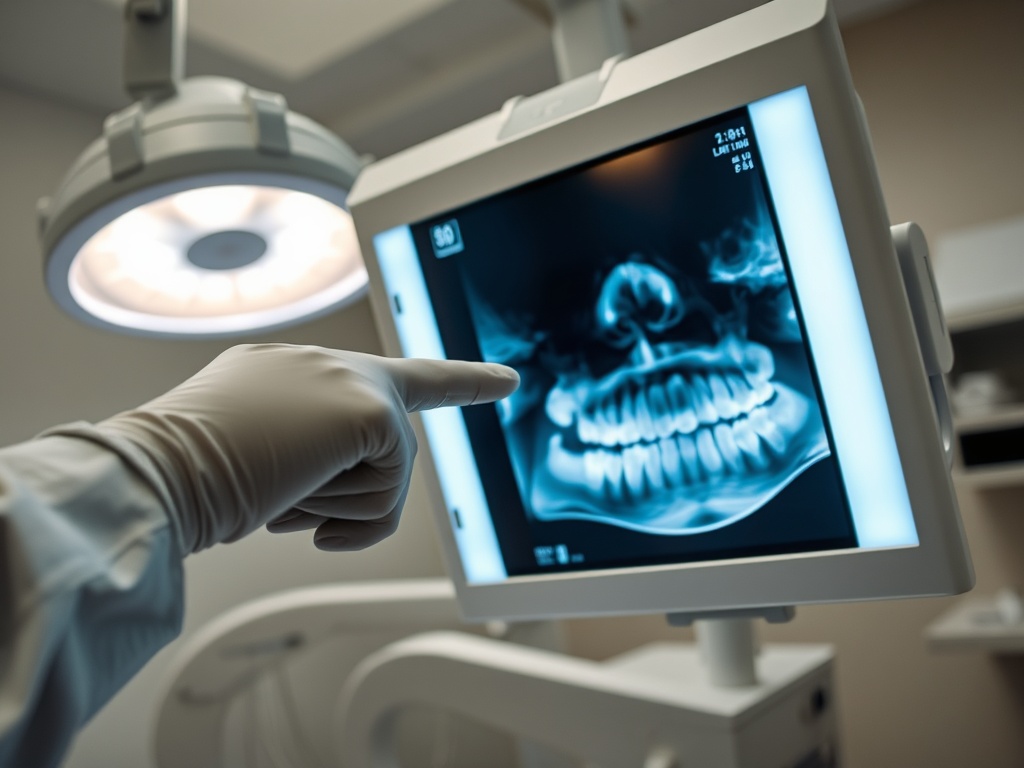
However, some dead teeth produce no symptoms at all. The pulp can undergo necrosis quietly, especially in teeth that were previously treated or that experienced trauma years ago. X-rays are essential for detecting changes around the root tip that indicate pulp death.
What Happens If a Dead Tooth Is Left Untreated?
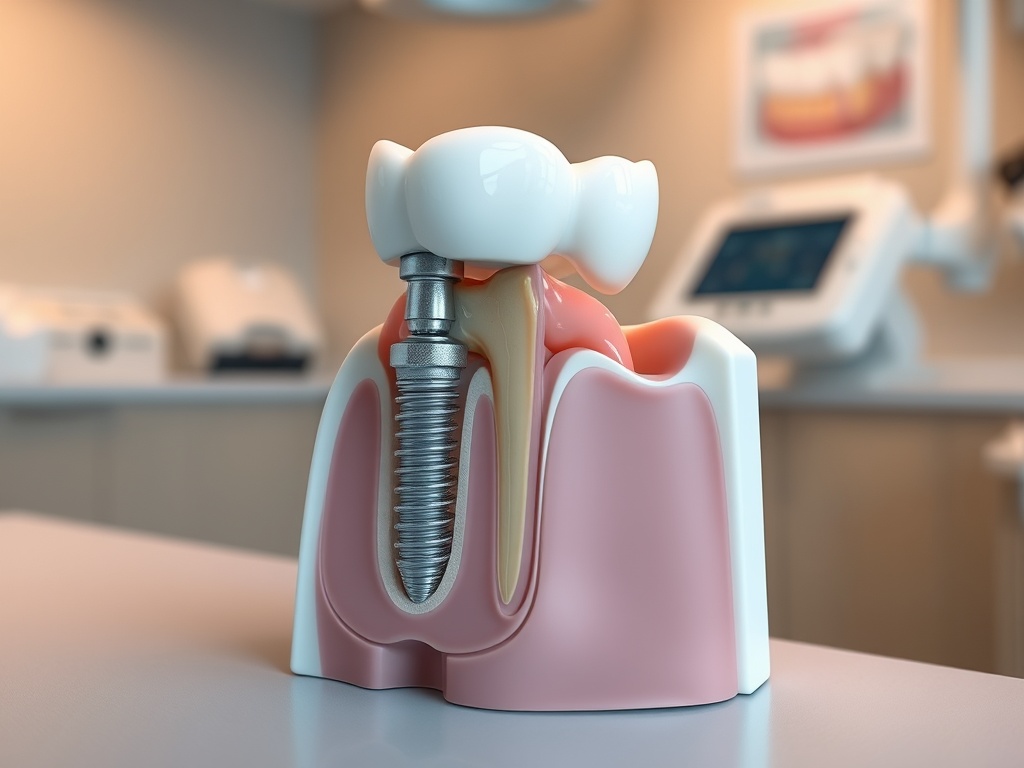
An untreated dead tooth becomes a source of chronic bacterial infection. An abscess can form at the root tip, and if left long enough, the infection can spread into the jaw, neck, or facial tissue—a development that constitutes a dental emergency. Treatment options typically include root canal therapy (removing the necrotic pulp and sealing the tooth) or extraction. If extraction is needed, tooth replacement options such as implants may be discussed; our article on dental implants 101 covers candidacy and what to expect from that process.
Cost and access concerns are among the primary reasons patients delay treatment for diagnosed dental problems. Understanding your coverage options before a procedure can help—our guide to dental PPO vs dental HMO plans explains how these plans differ in the context of major procedures.
When to Seek Care
Any tooth that has experienced trauma—even without immediate pain—deserves a follow-up evaluation. Any tooth showing new discoloration, prolonged heat sensitivity, spontaneous pain, or a gum pimple near its base should be evaluated promptly, not watched and waited. Root canal treatment is most predictable when performed before an abscess has formed or spread.
If you're being referred to an endodontist for root canal therapy, understanding how that referral process works can reduce uncertainty. Our guide on how specialist referrals work in dentistry walks through what to expect when your general dentist sends you to a specialist.