
Recurring restroom caulk and grout failures are usually symptoms of a deeper condition, not isolated finish defects. Movement, water exposure, substrate problems, cleaning methods, poor surface preparation, and material mismatch can all cause joints to crack, debond, stain, or wash out.
Failure clues owners should look for
- Recurring restroom joint failure usually points to movement, moisture, cleaning chemistry, poor substrate preparation, wrong material selection, or missing maintenance cycles.
- The repair should match the cause. Re-caulking the same joint without correcting water, movement, or cleaning issues often leads to another failure.
Separate caulk failures from grout failures
Caulk is flexible sealant used at changes in plane, fixture transitions, penetrations, and other joints where movement is expected. Grout fills joints between tiles and is generally more rigid. When grout is used where flexible sealant belongs, cracking is more likely. When sealant is used on damp, contaminated, or poorly prepared surfaces, adhesion can fail.
The Tile Council of North America discusses movement joints because tile installations need space to accommodate expansion, contraction, and building movement. TCNA movement-joint guidance is a useful starting point, although the correct detail depends on the assembly, environment, and applicable project specifications.
Moisture turns a finish issue into a maintenance pattern
Restrooms are hard on finishes. Water can come from showers, sinks, floor drains, toilet rooms, custodial washing, plumbing leaks, condensation, or poor ventilation. If moisture is trapped behind tile or under sealant, the visible joint may fail even when the replacement material is good.
EPA mold cleanup guidance reinforces the broader point that moisture control is central when damp materials are involved. For maintenance teams, that means documenting dampness, odor, staining, loose tile, soft substrate, rusted accessories, damaged backer board, or recurring repairs before closing the work order.
Common causes and likely clues
| Likely cause | Visible clue | Better response than repeated patching |
|---|---|---|
| Movement at changes in plane | Cracked grout lines at corners, wall bases, or fixture transitions. | Use an appropriate flexible sealant detail where movement is expected. |
| Poor surface preparation | Sealant peels away cleanly or releases in long strips. | Remove old material, clean, dry, and prepare the joint before resealing. |
| Moisture behind finishes | Staining, odor, soft substrate, loose tile, or repeated mildew. | Find and correct the water source before finish repair. |
| Cleaning chemical exposure | Softened, discolored, or prematurely degraded joints. | Check product compatibility with custodial chemicals and methods. |
| Wrong sealant selection | Material fails in wet or high-movement areas. | Specify sealant by use, movement, substrate, and exposure conditions. |
Material selection is only part of the answer
A sealant that meets ASTM C920 may be appropriate for many building joints, but a standard classification alone does not guarantee success in every restroom condition. The substrate, joint geometry, exposure, cleaning routine, cure conditions, and installer workmanship all matter. Manufacturer instructions and project specifications should be followed.
In wood-framed or wood-trimmed areas near restrooms, material moisture content can influence movement and finish performance. Wet substrates, swelling trim, or seasonal movement may telegraph into joints. That does not mean every crack is a moisture failure, but moisture should be considered when defects return after repair.
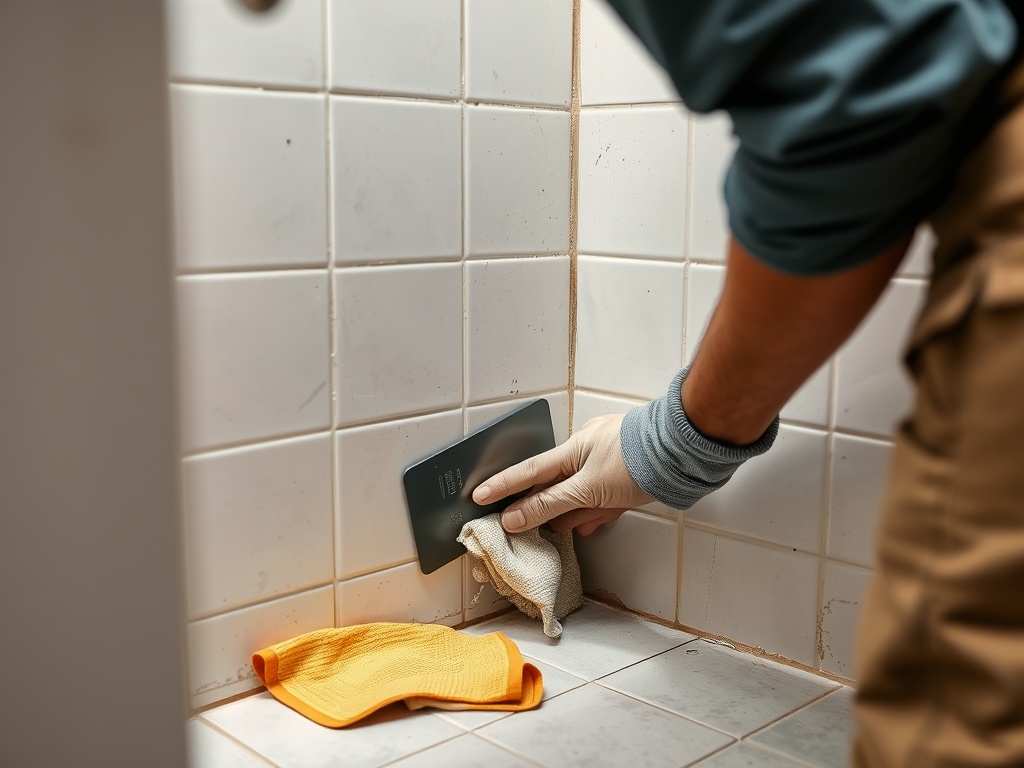
Repair steps that match the failure pattern
- Photograph the failed joint before removing material, including wide and close views.
- Identify whether the failed material is grout, sealant, or a patch over older material.
- Check for active leaks, damp substrate, loose tile, soft wallboard, failed waterproofing clues, or poor drainage.
- Remove failed material fully rather than smearing new sealant over contaminated edges.
- Use a product suited to the joint, substrate, movement, and wet-area exposure.
- Allow proper cure and protect the area from water or cleaning before returning it to service.
Questions to ask before resealing the same joint
Ask whether the substrate is dry, sound, and clean enough to accept new material. A joint contaminated with soap residue, old sealant, cleaning chemical, dust, or moisture may look repairable but release again after service resumes. Preparation is often the difference between a durable repair and another callback.
Ask whether the joint is expected to move. Corners, wall-to-floor transitions, fixture edges, counters, door frames, and dissimilar materials often move differently. In those areas, rigid grout may crack, while the wrong sealant may not tolerate movement, water, or cleaning exposure.
Ask what cleaning products and methods are being used. Aggressive chemicals, pressure washing, standing water, or abrasive tools can degrade some materials or wash out weak areas. Maintenance and custodial teams should share product information before the repair detail is selected.
Ask whether water is coming from behind the finish. Loose tile, hollow sounds, soft backing, stains, odors, or recurring mildew can point to a source that new surface sealant will not solve. When hidden damage is suspected, the repair may need selective removal and a broader moisture review.
Ask how the repaired area will be protected during cure. A restroom placed back into service too quickly may expose uncured material to water, cleaners, or movement. The work order should state when the area can be cleaned, used, and inspected again.
Occupant complaints can also provide clues. Reports of slippery floors, persistent odor, loose accessories, water outside shower areas, or stains below fixtures may point to drainage, ventilation, or plumbing issues rather than a simple sealant problem. Maintenance staff should capture those comments in neutral language.
Warranty and workmanship questions should be handled carefully. A failed joint is not automatically an installer error, product defect, or cleaning problem. The fairest review compares the installation detail, product instructions, exposure conditions, and maintenance history before assigning responsibility or selecting a repair method.
The final repair note should be more specific than “recaulk restroom.” A useful note identifies the joint, removed material, substrate condition, cleaning method, product type, cure protection, and follow-up inspection date. That detail helps the next technician understand what was changed.
For larger facilities, group similar restroom failures by building wing, fixture type, cleaning crew, or renovation phase. Patterns can reveal a systemic issue that a single repair ticket would miss.
Maintenance habits that reduce repeat calls
Recurring repairs should be tracked as a pattern, not closed as unrelated work orders. If the same restroom, wall base, shower edge, or floor drain area fails repeatedly, add it to a prioritized review list. A maintenance backlog that captures location, frequency, photos, and suspected cause will support better decisions than a series of small, disconnected repairs.
The same planning mindset used in solar-ready roofing and electrical planning applies here in a smaller way: a little coordination before the finish goes in can prevent hard-to-fix access and compatibility problems later. The next step is to inspect the failed joint, identify the exposure and movement conditions, then choose a repair detail that addresses the cause rather than the appearance alone.