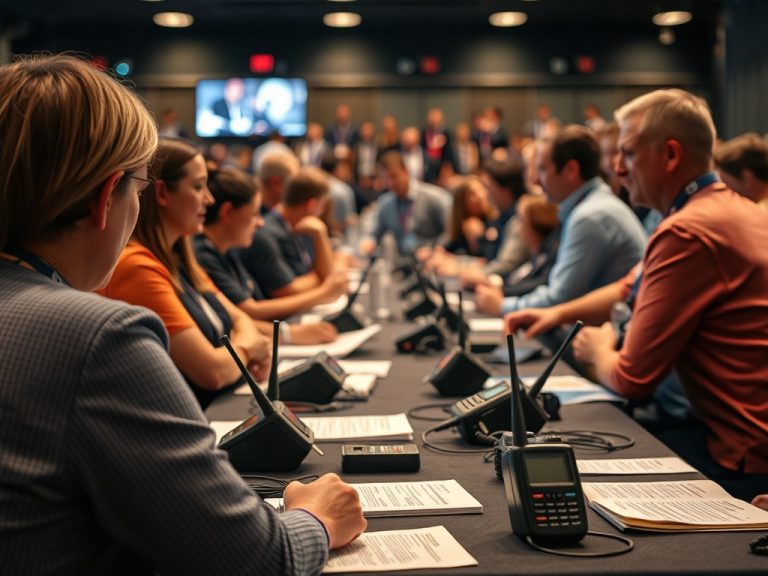
Immersive storytelling is changing gala formats by moving attention away from a rigid dinner-and-speeches sequence and toward a more intentional guest journey. For event teams, the real shift is operational: story now affects layout, timing, lighting, sponsor placement, run of show, and post-event content.
TL;DR
- Story-led gala design works best when purpose guides every sensory detail.
- The format can improve emotional clarity, but it can also increase rehearsal, production, accessibility, and budget pressure.
- Teams should test guest flow early and treat schedules, access, and creative details as subject to final organizer approval.
Why gala teams are rethinking the room
Traditional gala formats still work when the audience expects a formal reception, seated meal, auction, remarks, and entertainment. The pressure comes from guests who now compare live events with museum installations, live productions, premium brand activations, and high-production fundraisers. Immersive storytelling does not mean adding spectacle for its own sake. It means giving the evening a clear emotional arc so guests understand why they are there and what their participation supports.
For advanced event teams, the trend matters because gala design is no longer only a decor or entertainment conversation. It changes how the team maps arrival, registration, hospitality, sponsor recognition, donor education, programming, and exit moments. Each touchpoint can carry part of the story, but each touchpoint also needs staffing, timing, accessibility checks, and contingency planning.
How the guest journey becomes the program
A story-led gala often starts before guests enter the main room. Arrival signage, welcome flow, lighting, audio, display materials, and host scripting can introduce the theme. During the event, the program may unfold through short scenes, projected visuals, speaker transitions, curated table moments, or exhibit-style installations. None of these elements should be presented as guaranteed to improve results. Their value depends on audience expectations, mission fit, execution quality, budget, and the clarity of the fundraising or brand objective.
Persona research becomes especially useful here. A room of long-time patrons may appreciate legacy storytelling, while first-time guests may need clearer context and shorter explanations. Teams comparing audience persona tools can use those findings to decide how much explanation, emotion, entertainment, and donor education the evening should carry.
Budget and workflow changes behind the scenes
Immersive formats can shift costs from flowers and static decor toward creative direction, lighting, audio, projection, staging, rehearsals, floor management, and content capture. The budget may also need room for accessibility adjustments, extra signage, quiet areas, translation support, or alternative pathways if guests cannot comfortably participate in a particular experience. These are planning choices, not universal requirements, and they should be evaluated against the event’s scale and audience needs.
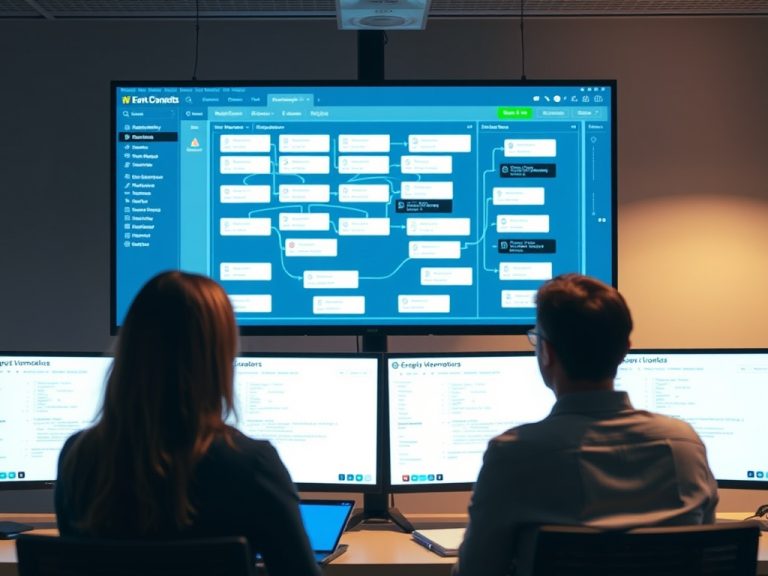
The workflow usually becomes more cross-functional. Development, creative, production, venue, sponsorship, catering, registration, and safety teams need one shared run of show. When the creative concept is finalized before operational review, teams can discover too late that a dramatic entrance blocks service routes or that a sponsor activation slows guest movement. Strong teams use early room diagrams and timed walkthroughs to protect the story and the guest experience.
Creative ambition versus operational risk
The most common risk is confusing immersion with complexity. A gala can feel memorable through pacing, clarity, intimacy, and thoughtful transitions without turning every moment into a production cue. Before approving a concept, ask three questions: Does the story support the event goal? Can the team operate it safely and accessibly? Will guests understand what to do without constant instruction?
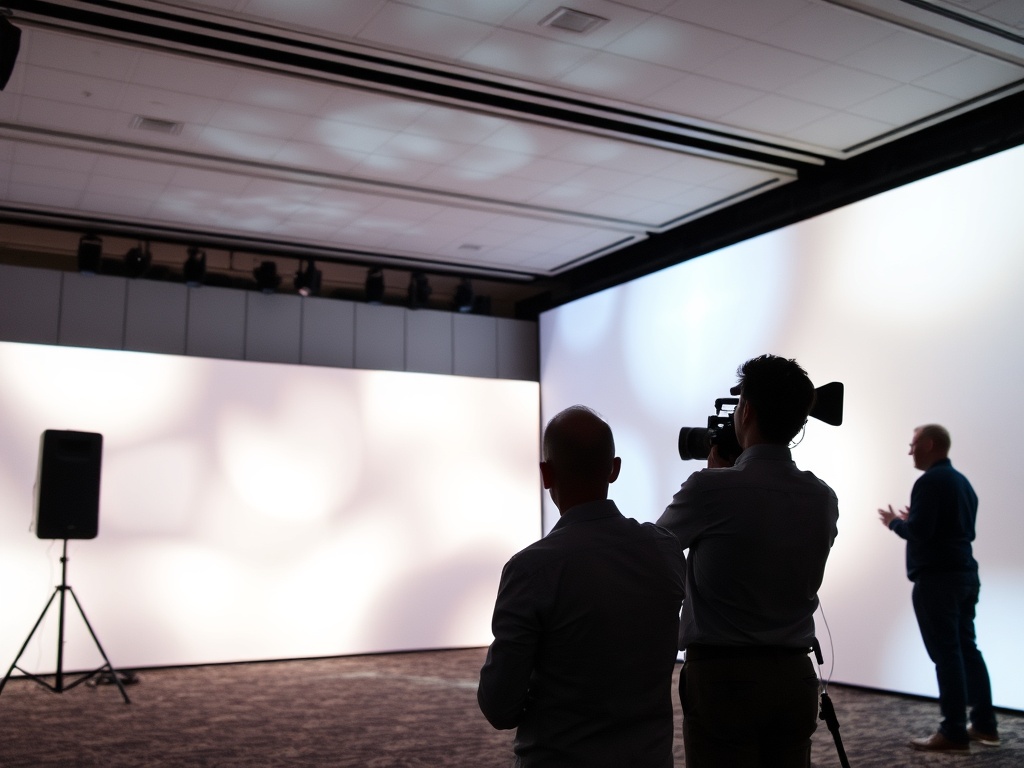
Venue constraints can limit creative choices. Ceiling height, load-in rules, sound restrictions, fire lanes, rigging permissions, and guest capacity may change what is possible. That is why venue-first planning discipline matters before creative production gets too far ahead. Schedules, access, and venue permissions remain subject to organizer and venue approval.
Signals to monitor over the next 12 to 24 months
The next wave will likely focus on smaller interactive moments, stronger content capture, hybrid donor touchpoints, and sustainability-minded production choices. ISO describes ISO 20121 event sustainability management standard as a framework for integrating social, economic, and environmental impacts into event planning and delivery. For gala teams, that encourages a more disciplined review of materials, waste, travel, supplier choices, and legacy value.
Industry demand is also shaped by broader business-event recovery and budget scrutiny. The Events Industry Council has continued to publish business-event barometer updates, including Events Industry Council research updates, that point to ongoing complexity in the sector. For gala teams, that means creative ideas must be paired with measurable objectives.
A smarter way to brief the gala team
A strong brief should define the core story, guest segments, emotional arc, non-negotiable event goals, budget boundaries, accessibility needs, sponsor rules, and approval owners. It should also clarify which elements are confirmed facts and which are creative preferences. When pricing or contribution levels are part of the plan, connect the concept to ticket pricing and revenue planning so the experience supports the revenue model. Events content is informational only and does not replace legal, financial, accessibility, travel, or contractual advice.
Production Questions Before the Concept Is Approved
Before approving an immersive gala format, ask production, guest services, and accessibility leads to review the concept together. They should check entrances, exits, service routes, sightlines, noise levels, captioning needs, quiet spaces, dietary communication, and guest movement during emotional or high-energy moments. The review should happen while the idea is still flexible, not after vendors have priced a fixed concept.
The team should also decide which story elements are essential and which can be simplified if costs, venue rules, or timing change. This keeps the gala from depending on one fragile cue. A strong format can survive a shorter program, a room adjustment, or a sponsor change because the core story remains clear.
Accessibility and pacing checks for story-led rooms
Story-led formats should be reviewed for guests who process sound, light, movement, or instructions differently. A quiet arrival option, clear wayfinding, seating choices, and visible staff support can make the experience feel more welcoming without weakening the concept. These details should be planned as part of the story, not patched in at the end.