Coaching under pressure means keeping decisions, communication, and substitutions clear when the score, clock, crowd, or stakes make everyone feel rushed. The best close-game coaches simplify the moment rather than trying to solve every problem at once.
Quick takeaways
- Close games reward prepared routines more than emotional speeches.
- Coaches should separate facts, observations, and tactical guesses before speaking.
- Short communication beats overloaded instructions when athletes are already stressed.
The real problem in late-game coaching
The close-game challenge is not just strategy. It is attention control. Coaches must read the score, clock, matchups, fouls, timeouts, body language, and opponent patterns while athletes are processing noise and fatigue. That is why calm structure matters more than a long tactical lecture. The pressure routines in the mental side of individual skill moments can be adapted for team huddles too.
A reliable coach distinguishes confirmed facts from interpretation. “We have one timeout” is a fact. “Their guard looks nervous” is interpretation. “Trap the next ball screen” is a tactical choice. Mixing those categories can make instructions sound confident but unclear.
A teachable close-game framework
| Step | Coach question | Useful output |
|---|---|---|
| Stabilize | What must the team know right now? | Score, time, possession, matchup, or rule reminder. |
| Prioritize | What one problem matters most? | Rebounding, spacing, coverage, serve receive, clock use, or foul discipline. |
| Phrase | Can it be said in one short line? | A cue athletes can repeat under stress. |
| Confirm | Did players hear and understand it? | Eye contact, role call, or quick player repeat-back. |
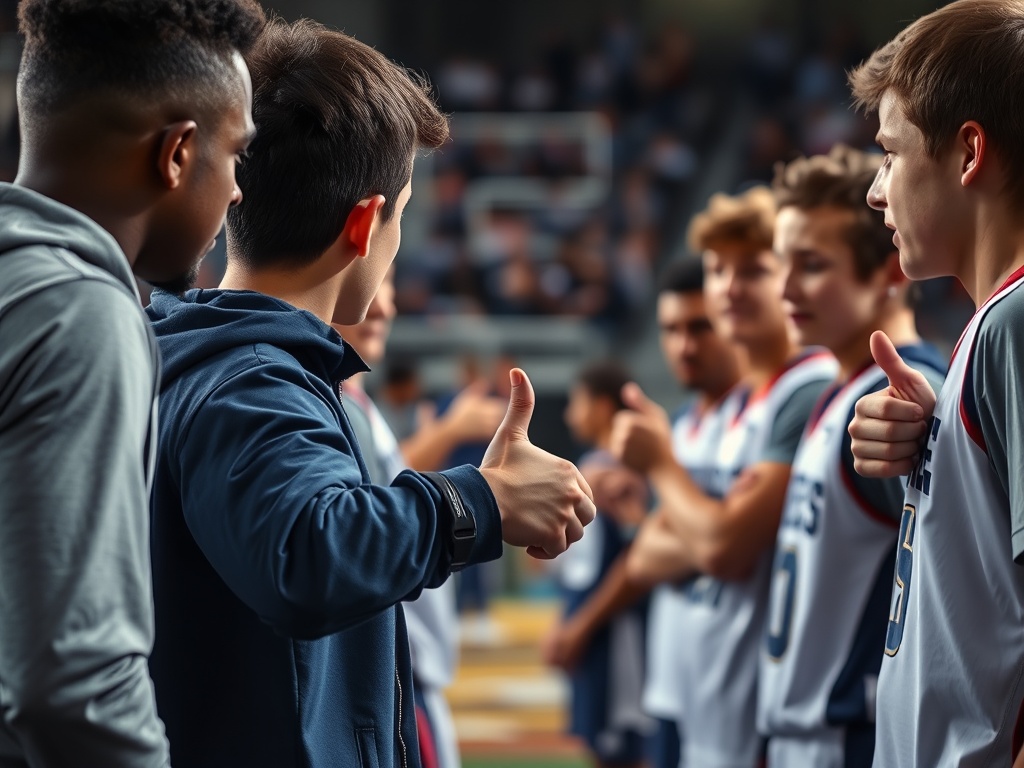
Practice pressure before it arrives
Teams should rehearse late-game cases during normal practice: down two with 20 seconds left, serving at 23-23, protecting a one-goal lead, or defending after a timeout. These are not predictions; they are rehearsal structures. Broad athlete-safety and performance guidance from the NCAA health and performance resources also reinforces that quality preparation includes mental and physical load management, not only tactics.
- Use a visible countdown during practice so instructions must be brief.
- Assign roles before the scenario starts, then test if players remember them.
- After the rep, ask athletes what they heard, not only what they did.
- Rotate leaders so captains practice steady communication before match day.
Communication errors that make pressure worse
The first error is correcting everything. If a team is already rushed, five instructions can become zero instructions. The second is using vague intensity words such as “want it more” when the team needs a specific behavior. The third is arguing with officials or opponents so long that the team loses its reset window.
Coaches also need to understand athlete bandwidth outside the game. A youth athlete balancing school, family, and sport may not respond to pressure like a college veteran. For that wider development context, link the game plan to balancing school, sports, and family time rather than treating every athlete as if stress begins only at tipoff.
How to review close-game decisions
Review should be factual first. What was the score? What was the time? What options were available? What did the team execute? Only after that should the staff discuss interpretation. This prevents postgame emotion from turning every result into a coaching myth.
Video is useful when it answers a specific question. Did the team space correctly after the timeout? Did the defender protect the right area? Did the server follow the target? Avoid turning video review into a blame session. The goal is to make the next close-game cue shorter, clearer, and easier to trust.
The huddle habit to build now
Create a standard late-game huddle rhythm: one fact, one priority, one action, one confirmation. When athletes already know the rhythm, the moment feels less chaotic and the coach can lead without overtalking.
Preparing the bench and leaders before the final minutes
Close-game execution rarely belongs only to the head coach. Assistants, substitutes, captains, and injured players can all affect the sideline environment. Before the season, staff should decide who watches timeouts, who tracks fouls, who reminds players about matchups, and who keeps non-active players engaged without adding noise. Clear sideline roles prevent three people from shouting different versions of the same instruction.
Player leaders need the same preparation. A captain who has practiced repeat-back cues can steady a huddle when the coach has only a few seconds to speak. This is not about acting fearless. It is about giving the team a familiar rhythm under stress. Families and youth coaches may also need to consider broader load, because a player under school and family pressure may need simpler cues on game day; that wider context is covered in balancing school, sports, and family time.
After-action notes that do not become blame
- Write down the factual situation before judging the decision.
- Separate execution errors from planning errors.
- Ask what the team heard during the huddle, not only what the coach said.
- Choose one late-game habit to rehearse in the next practice block.
A close loss can make every choice look wrong in hindsight, while a close win can hide sloppy process. Good review avoids both traps. The aim is to find the next controllable improvement, not to create a dramatic story around one possession, serve, kick, or rebound.
When emotion helps and when it distracts
Energy is not the enemy in a close game. Teams often need urgency, confidence, and visible commitment. The problem comes when emotion replaces information. A useful coach channels the emotion into a task: win the next rebound, protect the sideline, serve to a zone, or use the clock. That gives athletes something practical to do with the intensity they already feel.