Before leaving for vacation, set your HVAC system to protect the house rather than simply turning it off. The right checklist covers thermostat settings, filters, condensate drainage, outdoor-unit clearance, leak risks, remote alerts, and any climate-specific concerns such as freezing, humidity, or extreme heat.
TL;DR
- Use an away or vacation setting that still protects plumbing, finishes, pets, plants, and humidity-sensitive areas.
- Check filters, drains, vents, outdoor equipment, and obvious water risks before departure.
- Arrange monitoring or a local contact for longer trips, especially during extreme weather.
Start With the Thermostat, but Do Not Pick a Universal Number
There is no single vacation thermostat setting that fits every home. Climate, season, insulation, plumbing location, indoor humidity, pets, plants, medical needs, and building rules all matter. In winter, the setting must provide enough heat to reduce freezing risk in vulnerable areas. In hot or humid weather, some cooling or dehumidification may be needed to protect the building and contents.
ENERGY STAR notes that smart thermostats can use vacation or away modes and can often be adjusted remotely. Use those features as controls, not as substitutes for a safe baseline. A remote thermostat cannot fix a tripped breaker, blocked drain, failed condensate pump, frozen outdoor unit, or water leak.
Vacation HVAC Checklist
Several days before leaving
- Review the forecast and expected temperature range for the entire trip.
- Replace or clean the HVAC filter if it is due, using the size and type appropriate for the system.
- Confirm supply and return grilles are open and not blocked by luggage, furniture, curtains, or stored items.
- Look around the indoor unit for existing water stains, corrosion, dripping, or a full drain pan.
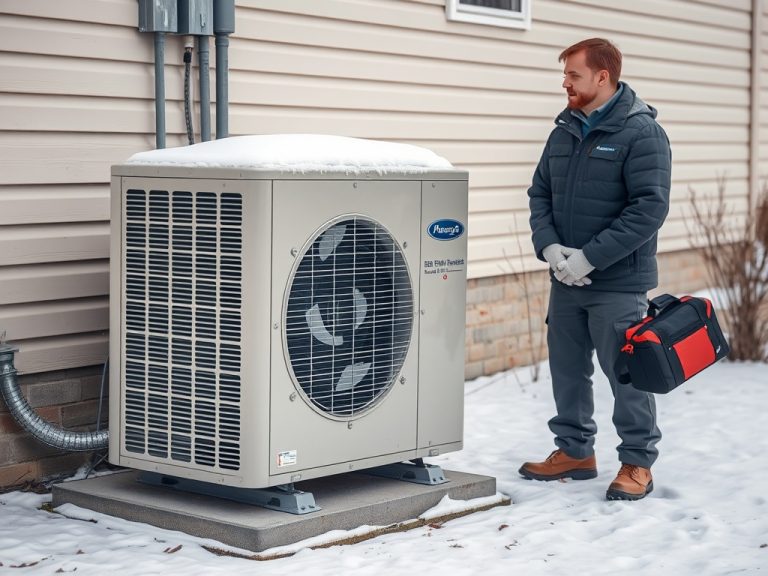
- Check the outdoor unit for leaves, weeds, snow, storage bins, or other airflow obstructions.
- Test the thermostat’s away mode, app connection, batteries, and alert settings if available.
- If the system has known problems, schedule service before travel instead of relying on remote monitoring.
ENERGY STAR’s HVAC maintenance checklist includes thermostat checks, electrical inspection, condensate-drain inspection, coil cleaning, refrigerant checks, and airflow-related tasks for professional maintenance. You do not need a full service visit before every trip, but overdue maintenance should not be ignored just because the system is still running.
On the day you leave
- Set the thermostat to the planned vacation range rather than switching the system off without considering weather and moisture.
- Confirm every zone has an appropriate away setting if the home uses multiple HVAC zones.
- Make sure interior doors are positioned as needed for air circulation and return-air paths.
- Close windows and exterior doors fully.
- Confirm bath and kitchen exhaust fans are off unless a designed control strategy requires otherwise.
- Check that the condensate line termination is clear where it is safely accessible.
- Verify the outdoor unit has open space around it and is not covered.
- Leave service access to the indoor unit unobstructed in case someone must respond while you are away.
Do Not Ignore Condensate and Humidity
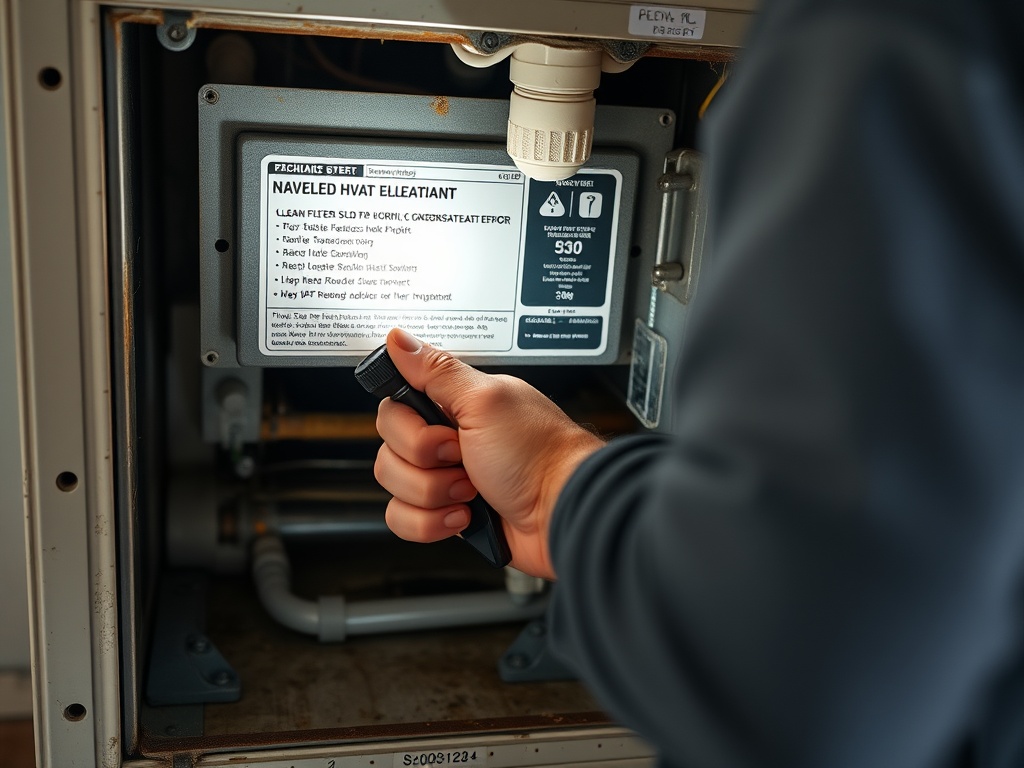
Air conditioners and heat pumps can remove significant moisture while cooling. That water has to drain. A partially clogged line may become a visible leak only after many hours of hot-weather runtime, which is exactly when a vacant home may go unchecked.
If your system uses a condensate pump, float switch, secondary drain pan, or water alarm, verify that those components are functioning according to manufacturer instructions. Do not bypass a safety switch to keep the system running. If you have a history of drain backups or high indoor humidity, address the cause before travel.
Poor ventilation and excessive indoor moisture can also interact with weatherization. EPA warns that tightening a home without maintaining appropriate ventilation can allow moisture and pollutants to accumulate; its guidance on energy, weatherization, and indoor air quality is a useful reminder that “closed up” and “healthy” are not automatically the same thing.
Cold-Weather Trips Need a Different Review
In heating season, pay attention to plumbing in exterior walls, crawlspaces, garages, attics, or other vulnerable areas. A thermostat reading in the center of the house may not represent the temperature at a remote pipe. Keep cabinet doors, interior doors, or other airflow paths arranged according to local freeze-protection guidance and the home’s design.
If the home uses a heat pump, a brief defrost cycle can be normal in cold, damp weather. Persistent heavy ice is different. Before a winter trip, understand why a heat pump may appear stuck in defrost mode so a local contact knows the difference between normal steam or temporary cool supply air and a system that needs service.
Hot and Humid Trips Need Moisture Awareness
In a humid climate, turning cooling completely off can allow indoor temperature and relative humidity to rise. The resulting risk depends on outdoor conditions, building tightness, internal moisture sources, drainage, and materials in the home. Use a setpoint or humidity-control strategy appropriate for the equipment and climate rather than relying on an extreme setback copied from a generic checklist.
A tight home may still need intentional ventilation, while a leaky home may draw in large amounts of humid outdoor air. The guide on air sealing and HVAC performance explains why uncontrolled leakage changes the load the system must handle.
Plan for Power, Connectivity, and Alarm Failures
Remote access is useful only while the thermostat, HVAC equipment, router, and internet service are operating. If your area experiences frequent outages, decide what you want a neighbor, property manager, or monitoring service to do when the thermostat goes offline. A loss of connection is not proof of HVAC failure, but it is a signal worth investigating during severe weather.
For a long trip, consider water-leak sensors near HVAC drain pans, water heaters, laundry equipment, and other common leak locations. Follow the device manufacturer’s placement and testing instructions. If a sensor can shut off a water supply automatically, make sure everyone responsible for the property knows how the system works before you leave.
A Simple Handoff for a Neighbor or Property Manager
Give the person checking the home a short written list instead of asking them to diagnose HVAC equipment. Include the thermostat’s normal vacation range, where the indoor and outdoor units are located, what alarms may appear, the HVAC contractor’s contact information, and the conditions that should trigger a call.
Ask them to look for obvious water, unusual noise, a blank thermostat, persistent indoor temperature drift, strong unexplained odors, or an outdoor unit buried in ice or debris. They should not open electrical panels, handle refrigerant components, bypass safeties, or attempt repairs beyond tasks they are qualified to perform.
Before You Lock the Door
Use this final five-minute check:
- Thermostat is in the intended away or vacation mode.
- Filter is serviceable and grilles are unobstructed.
- No visible condensate leak or standing water is present.
- Outdoor equipment has safe airflow clearance.
- Windows and exterior doors are closed.
- Remote alerts are enabled and tested if used.
- A local contact has access and instructions for a long absence.
- The HVAC service number and utility outage information are easy to find.
If the home frequently feels stale or develops moisture when closed for several days, review the signs of poor ventilation instead of treating vacation settings as the root cause.