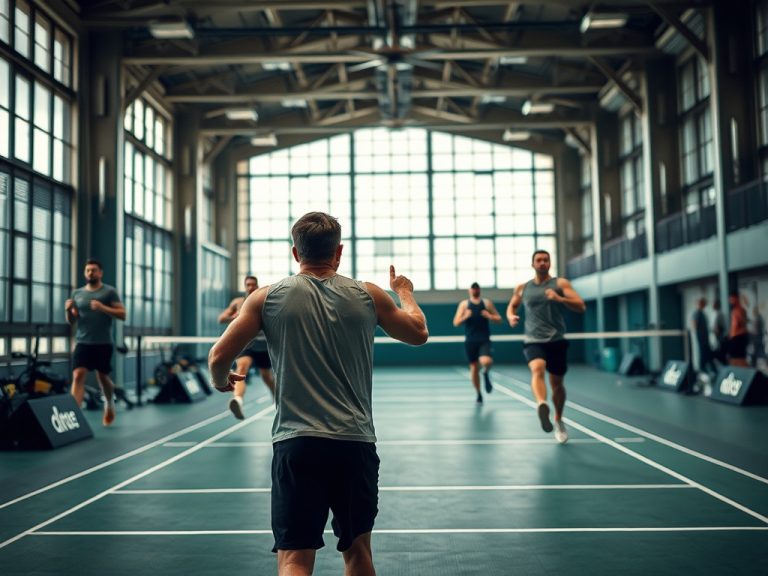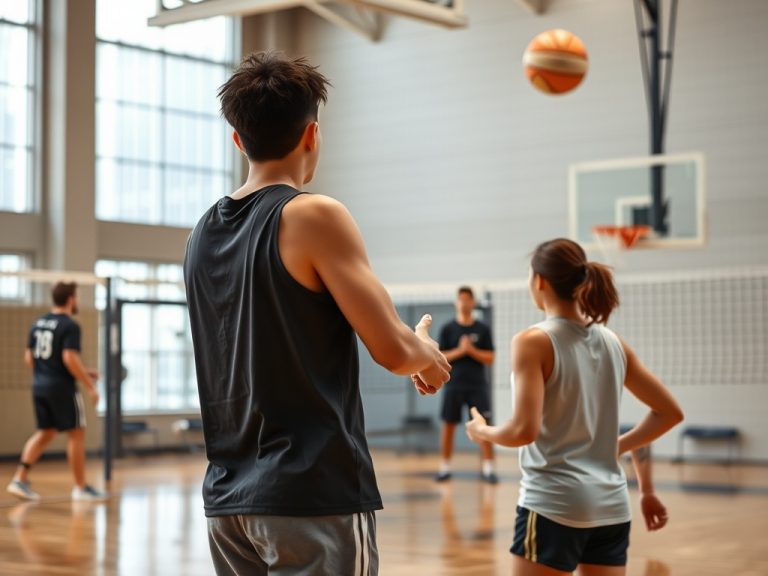
The mental side of free throws, penalty kicks, putts, and serves is about performing a familiar skill while attention, pressure, and consequences feel louder than usual. A repeatable routine helps athletes narrow focus without pretending nerves do not exist.
Quick takeaways
- Pressure skills are often closed skills: the athlete has time to think before acting.
- A routine should be short, personal, and repeatable under fatigue or noise.
- The goal is not to eliminate nerves; it is to direct attention toward the next controllable action.
Why simple skills feel harder under pressure
Free throws, penalty kicks, putts, and serves look simple because the setup is familiar. Pressure changes the experience. The athlete has time to think, the outcome is visible, and the pause before action can invite doubt. Athlete well-being resources from the IOC Athlete365 platform are a useful reminder that mental performance and well-being are connected, not separate topics.
This does not mean pressure failure proves weak character. It often means attention shifted from the process to the consequence. The athlete begins thinking about the miss, the crowd, the scoreboard, the coach, or the last attempt instead of the next cue.
Build a three-part routine
| Routine part | Purpose | Example cue |
|---|---|---|
| Settle | Reduce rushed breathing and reset posture. | One breath, eyes on target. |
| Aim attention | Pick a controllable cue. | Smooth strike, high follow-through, center contact. |
| Commit | Start the action without adding new thoughts. | Step, swing, release, or serve. |

Practice routines before the big moment
A routine only works if it is practiced when the stakes are low. Athletes should use it during normal repetitions, then add mild pressure: a score target, a teammate watching, a timed set, or a consequence that is challenging but not humiliating. The same gradual-pressure principle supports court awareness practice because perception, communication, and decision-making also need repetition before competition.
- Keep the routine short enough to use every time.
- Use one or two cues, not a paragraph of self-talk.
- Practice after fatigue so the routine survives realistic conditions.
- Review misses without turning them into a story about identity.
Warning signs and misconceptions
A common misconception is that confident athletes never feel nervous. Many high performers still feel arousal, but they interpret it differently and return to their process faster. Another misconception is that the routine must be copied from a famous player. It should fit the athlete’s timing, sport, and personality.
Coaches should also watch for athletes who become unusually avoidant, angry, or distressed around performance moments. That may call for a supportive conversation and, when needed, qualified mental-health support. Sports advice should not replace medical or psychological care.
How coaches can help without overcoaching
The best feedback is specific and process-based. “Hold your follow-through” is more useful than “Don’t choke.” Coaches can ask the athlete to describe the routine, then reinforce the same language during practice. In close games, team coaches can use similar simplicity through short pressure huddle cues.
The cue to carry into the next rep
Pick one controllable cue, use the same routine in practice and competition, and treat each attempt as information rather than a judgment on the athlete.
Why routines work only when they are specific
A pressure routine is more than a superstition. It gives the athlete a repeatable sequence for attention, breathing, body position, and commitment. The routine should be short enough to use in competition and specific enough to practice. “Stay calm” is not a routine. A breath, a target check, a cue word, and a committed action can become one.
Different sports require different timing. A free throw has a controlled setup. A penalty kick includes the goalkeeper, referee, and crowd. A putt changes with slope and speed. A serve includes toss rhythm and tactical choice. Well-being guidance from Olympic Athlete365 supports the broader idea that mental skills belong in preparation, not only in crisis. For team settings, the same logic connects to coaching under pressure.
Practice the reset, not only the shot
- Rehearse what happens after a miss so the next attempt is not emotionally rushed.
- Use the same cue in low-pressure and high-pressure practice blocks.
- Track process quality separately from make-or-miss results.
- Keep the routine legal and within the normal pace expected in the sport.
Mental routines do not guarantee outcomes, and they should not be described that way. They improve the chance that the athlete performs the intended skill with clear attention. That distinction keeps analysis honest and prevents one miss from becoming a false story about character.
How to keep confidence realistic
Confidence should be tied to preparation rather than a promise that the next attempt will succeed. An athlete can say, “I have practiced this routine and I know my target,” without pretending pressure disappears. This makes confidence more durable. It allows room for nerves while still giving the athlete a clear action plan.
Coaches and parents should praise process when it is visible: a steady breath, a committed target, a balanced finish, or a quick reset after a miss. Over time, those process markers make high-pressure skills feel less mysterious and more trainable. Athletes still need competitive repetitions, but the routine gives those repetitions a stable shape instead of leaving each attempt to mood or momentum. The athlete learns to return to a practiced sequence even when the previous attempt or the crowd reaction was disappointing or distracting.