Renters can build a productive, attractive container garden even when direct sun is scarce. The key is to measure the light you actually receive, choose plants that tolerate those conditions, use containers with reliable drainage, and keep the setup movable enough to adapt through the season.
TL;DR: Treat limited sun as a site condition, not a failure. Track light for several days, favor leafy crops and shade-tolerant ornamentals over sun-hungry fruiting plants, use a quality potting mix, water by checking the mix rather than following a rigid calendar, and keep landlord rules and balcony load limits in mind.
Start With the Light You Have
“Limited sun” can mean several different things in an apartment. A balcony may get two hours of strong morning sun, a courtyard may receive bright reflected light without direct rays, and a windowsill may look bright to people while providing much less plant-usable light than expected. Before buying plants, watch the space at several points during the day for three to five days.
Note when direct sun reaches the growing area and how long it stays. Also notice nearby walls, overhangs, railings, trees, and neighboring buildings that change the pattern. The University of Minnesota Extension’s guidance on gardening in shade emphasizes matching plants to the actual light environment rather than assuming all shaded areas behave the same way.
For renters, mobility is an advantage. A pot can move a few feet to catch morning light, avoid intense afternoon heat, or shift away from a windy corner. That flexibility is one reason container gardening works well in small rented spaces.
Choose Plants That Fit Lower-Light Conditions
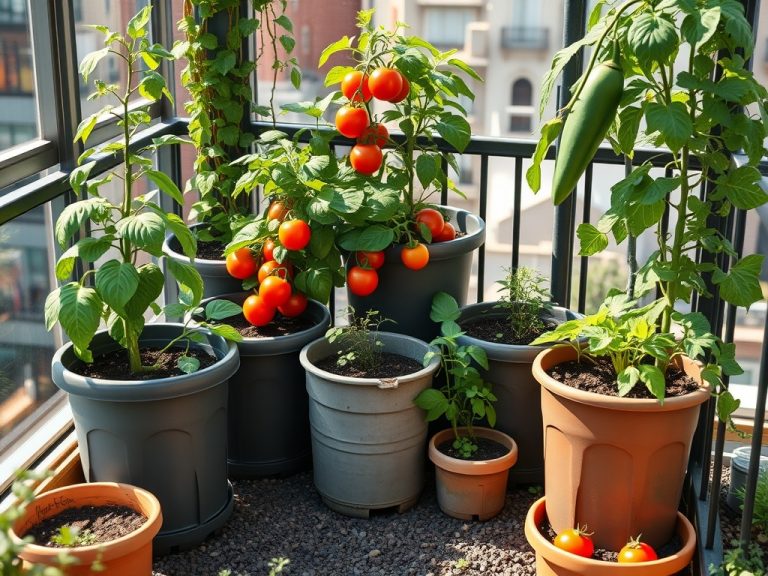
Most fruiting vegetables and many flowering annuals perform best with substantial direct sun. In a site that receives only a few hours, leafy greens, some herbs, foliage plants, and shade-tolerant ornamentals are usually more realistic choices. The goal is not to force a tomato or pepper into a dim corner and hope for the best. It is to match plant demand with available light.
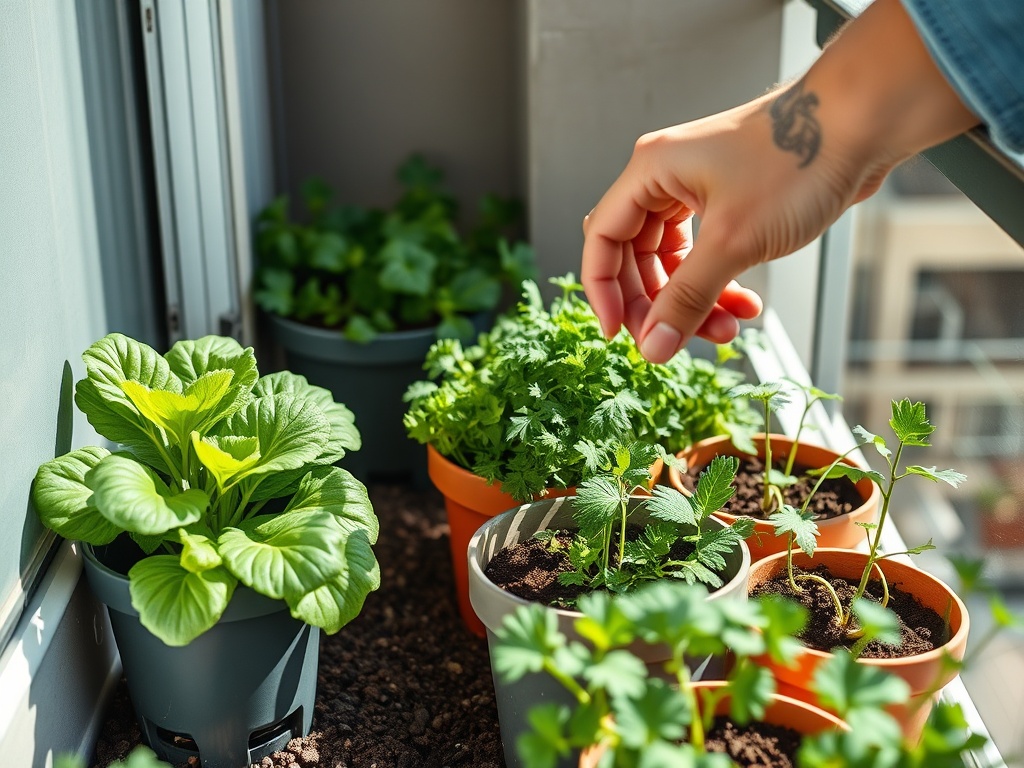
Good candidates for an edible container in partial sun can include leaf lettuce, arugula, spinach during suitable temperatures, parsley, mint, chives, and some Asian greens. Growth rate and flavor will still depend on season, temperature, cultivar, and the exact amount of light. If you want more detail on edible crops in pots, the same-domain guide to container vegetable gardening for patios and balconies covers container size, crop selection, and maintenance in more depth.
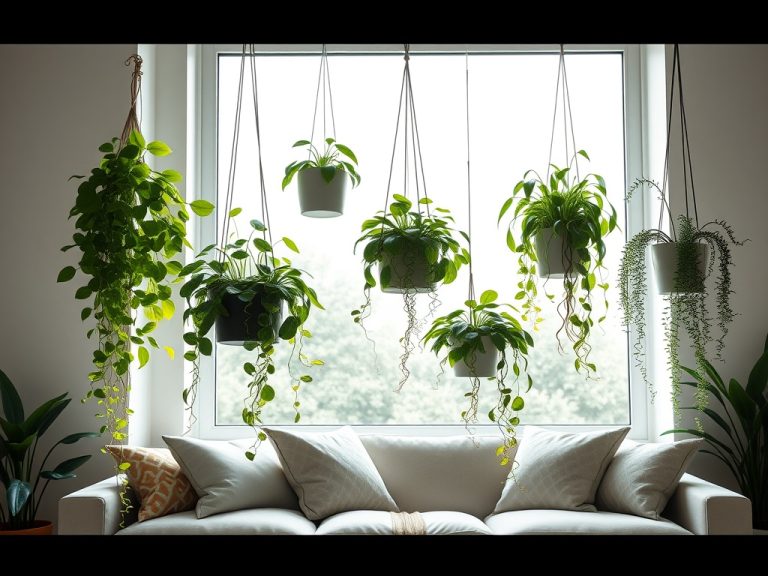
For ornamental pots, consider plants sold specifically for shade or bright indirect light. Foliage color, leaf shape, and texture can make a low-sun container feel intentional even without heavy flowering. A renter who values an indoor-outdoor transition can also use compatible houseplants seasonally, but they should be acclimated gradually because indoor foliage can scorch when moved abruptly into direct outdoor sun.
Match the Container to the Plant and the Lease
A suitable container does three jobs: it holds enough root volume, drains excess water, and stays stable in the location. Drainage holes are essential. Decorative cachepots without drainage can still work if the plant grows in a separate nursery pot that can be removed for watering.
Container material also changes maintenance. Unglazed terra-cotta dries faster than many plastic or glazed pots. Dark containers can heat up quickly in exposed areas. Large planters buffer moisture changes better but become difficult to move once filled. For renters, medium-size pots on sturdy plant caddies often offer a useful compromise.
Before setting up a balcony garden, check your lease, building rules, drainage restrictions, and any applicable structural guidance. Do not assume a balcony can safely hold unlimited wet soil, ceramic planters, water reservoirs, and furniture. If load capacity is uncertain, ask the property manager or a qualified building professional.
A Simple Limited-Sun Container Shortlist
| Situation | Practical Plant Direction | Container Approach |
|---|---|---|
| 2 to 4 hours of gentle sun | Leafy greens, parsley, chives, shade ornamentals | Medium pots with drainage, easy to reposition |
| Bright indirect outdoor light | Foliage-focused ornamentals and compatible herbs | Lighter containers near reflected light |
| Morning sun and afternoon shade | Many greens, herbs, and part-sun flowers | Deeper pots that retain moisture through afternoon |
| Very dim site | Prioritize shade ornamentals or supplement indoors with appropriate grow lighting | Small movable pots; avoid forcing high-light crops |
Build a Potting Mix That Drains Reliably
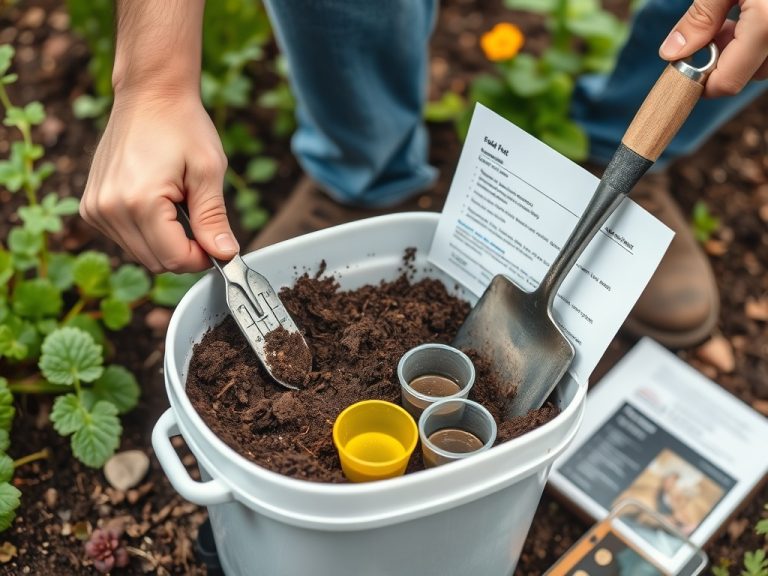
Garden soil is usually a poor choice for containers because it can compact and restrict aeration. Use a commercial potting mix designed for containers, then choose amendments or fertilizer based on the crop rather than adding random materials. The University of Minnesota Extension’s container guidance recommends containers with drainage and a suitable potting mix as core setup decisions.
Do not create a “drainage layer” of rocks as a substitute for a drainage hole. The critical factor is that excess water can leave the root zone. If a landlord prohibits runoff from balconies, use saucers carefully and empty them after watering rather than allowing plants to sit in water.
Water by Moisture Check Rather Than by Habit
Containers can dry faster than in-ground beds because their root zone is smaller and exposed to air. Yet a shaded pot may dry far more slowly than a sunny one. That makes fixed schedules unreliable.
Push a finger into the potting mix, lift smaller pots to judge their weight, and learn how quickly each container changes between waterings. Water thoroughly enough to moisten the root zone, then allow excess to drain. The Extension guide to fertilizing and watering container plants notes that watering and feeding needs depend on the growing medium, plant growth, and watering frequency.
A wilted plant is not always simply thirsty. Root problems, heat, wind, disease, and saturated soil can produce similar symptoms. Check the mix before adding more water.
Feed Containers With Restraint
Because nutrients can leach from containers during watering, some plants benefit from periodic fertilizer. That does not mean more fertilizer is better. Follow the product label and the needs of the plant, and avoid applying fertilizer to a severely dry or stressed root system.
If you are growing edible plants, use products labeled for that use. If you are trying to reduce inputs around a family area, the principles in organic lawn care for families and pets also translate well to containers: prioritize plant health, correct cultural practices, and careful product handling rather than reaching first for a treatment.
Common Problems in Low-Sun Rental Gardens
Leggy growth: The plant may not be receiving enough light. Move it to a brighter permitted location or choose a more shade-tolerant species.
Constantly wet mix: Reduce watering frequency, confirm drainage holes are open, and check whether the pot is oversized for the plant.
Few flowers or fruits: Light may be below the plant’s requirement. Switching to foliage plants or leafy edibles is often more effective than increasing fertilizer.
Wind damage: Move pots closer to a sheltered wall, choose lower-profile containers, and use secure supports where appropriate.
Pests spreading between pots: Isolate affected plants when practical, remove badly damaged material, and identify the pest before choosing a control method.
Make the Garden Easy to Undo
A renter-friendly garden should be simple to maintain and simple to remove. Avoid permanent alterations, protect floors from stains, prevent water from dripping onto neighbors, and keep access routes clear. Photograph the setup if you need to document that surfaces were protected.
Start with three to five containers rather than twenty. Once you know how the light, wind, watering, and building rules affect those pots, you can expand with much better judgment.
This article is for general educational purposes. Plant performance varies by climate, cultivar, building exposure, and care. For structural questions about balconies or building attachments, consult the property manager or an appropriately qualified professional.[/