Soil pH is a measure of how acidic or alkaline soil is, and it matters because it influences nutrient availability and plant performance. Beginners do not need to chase a perfect number; they need to test the soil, understand what the intended plants prefer, and make adjustments only when the test and local guidance justify them.
TL;DR: A pH of 7 is neutral, lower values are acidic, and higher values are alkaline. Many common garden plants perform well in a slightly acidic to near-neutral range, but important exceptions exist. Use a laboratory soil test before applying lime, sulfur, or other amendments, and follow the recommendation for your crop and soil.
What Soil pH Measures
The pH scale runs from acidic to alkaline, with 7 considered neutral. Penn State Extension’s current overview of soil pH explains that many plants perform well in a slightly acidic range, while other species have more specific requirements.
Soil pH does not tell you everything about soil health. It does not replace information about texture, drainage, organic matter, compaction, salinity, or nutrient levels. Think of pH as one part of a larger soil profile.
A plant can struggle in a “good” pH if roots sit in water, the soil is compacted, or nutrients are otherwise out of balance. Diagnosis should consider the whole site.
Why pH Changes Plant Nutrition
Nutrients exist in soil in chemical forms that plants can access more or less easily depending on pH. When pH moves far outside a plant’s preferred range, some nutrients can become less available while others may become available at levels that contribute to toxicity.
That is why adding fertilizer is not always the right response to yellow leaves or weak growth. If the pH is unsuitable, simply adding more nutrients may not solve the underlying availability problem.
Soil biology also responds to pH. Microorganisms involved in decomposition and nutrient cycling have their own preferred conditions, so large pH shifts can change biological activity as well as chemistry.
Test Before You Amend
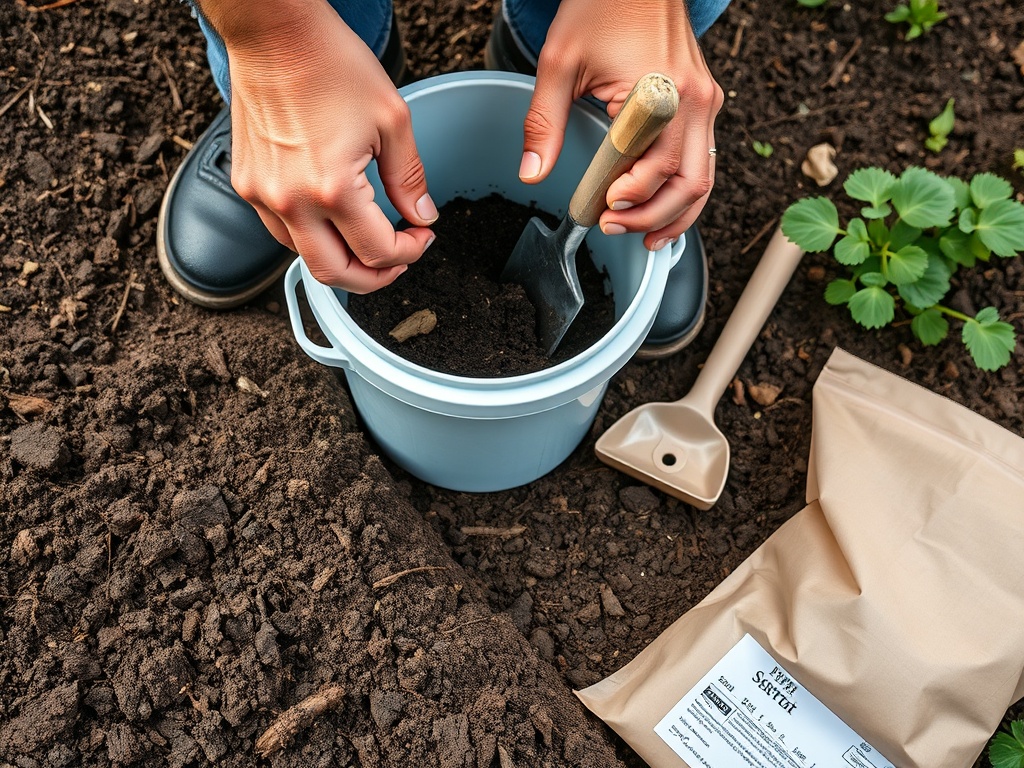
A home test kit can provide a rough screening, but a laboratory soil test is more useful when you plan to change pH or make fertility decisions. The University of Minnesota Extension’s soil-testing guidance explains how representative sampling and laboratory results support fertilizer and amendment decisions.
Take several subsamples from the same management area and combine them according to the laboratory’s directions. Do not mix soil from fundamentally different spaces, such as a vegetable bed, lawn, and rhododendron bed, into one sample.
For a new garden, testing before planting is ideal. For an established garden, test when performance suggests a problem or when local extension guidance recommends periodic retesting.
A Simple pH Reading Framework
| General pH Direction | What It Means | Beginner Response |
|---|---|---|
| Below 7 | Acidic | Check whether intended plants prefer acidity before changing it |
| Around 7 | Neutral | Often workable, but crop-specific needs still matter |
| Above 7 | Alkaline | Choose tolerant plants or follow test-based correction guidance |
This is intentionally broad. The exact “best” range varies by species. Blueberries, for example, prefer much more acidic soil than many vegetables, while some landscape plants tolerate a wider range.
Do Not Treat 6.5 as a Universal Target
Garden advice often repeats a single ideal number. That can be misleading. Many vegetables favor slightly acidic to near-neutral soil, but acid-loving ornamentals and crops may need something different. Some alkaline-tolerant landscape plants can perform well where other species show nutrient problems.
Use the plant list and the soil test together. If your native soil is naturally alkaline, repeatedly forcing it toward a much lower pH may be impractical. Choosing plants adapted to the existing conditions can be a more durable strategy.
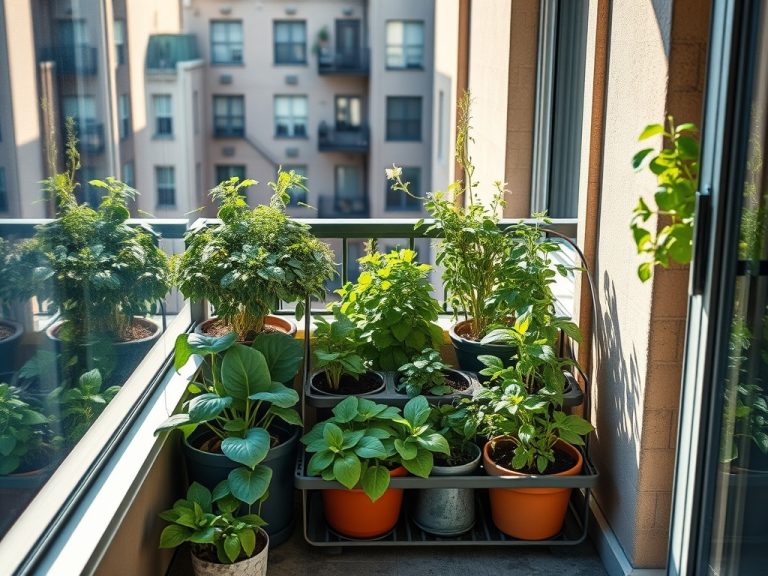
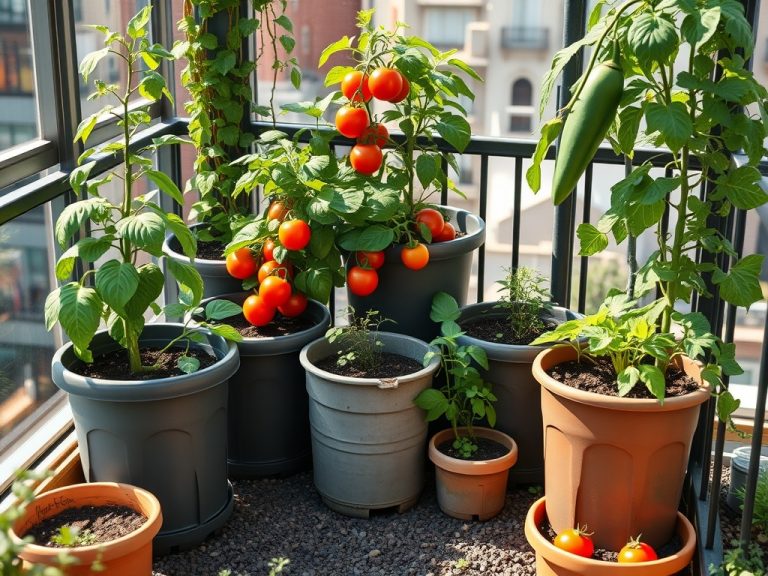
For container growing, the root environment is easier to control because the potting medium is manufactured. The same-domain guide to container vegetable gardening for patios and balconies explains why potting mix and container drainage are separate decisions from in-ground soil management. Indoor potting media also should not be managed like native garden soil; best hanging plants for bright indoor spaces keeps that indoor-care context separate.
Raising Low pH With Lime
Agricultural lime is commonly used to raise soil pH when a test recommends it. The amount needed depends on current pH, target pH, soil buffering capacity, texture, and the liming material.
Do not apply lime simply because a neighbor does. Sandy and clay soils can require different amounts to produce the same pH change. A lab recommendation accounts for more of this context than a guess based on the pH number alone.
Lime also works gradually. Applying an excessive amount creates a harder problem to reverse than making a measured correction.
Lowering High pH With Sulfur or Other Approaches
Elemental sulfur is often recommended for acidifying certain soils, but the rate and feasibility depend on the soil. In highly buffered or calcareous soils, substantially lowering pH may be difficult or temporary.
Do not rely on coffee grounds, vinegar, or other household remedies as a primary pH-management plan. Their effects can be inconsistent, short-lived, or unsuitable for the root zone. A test-based amendment is more predictable.
If only a small group of acid-loving plants needs different conditions, growing them in a separate bed or container with an appropriate medium may be easier than altering an entire landscape.
Soil pH in Lawns
Turf species have their own preferred pH ranges. If a lawn repeatedly thins or responds poorly to fertilizer, a soil test can help determine whether pH or nutrient status is part of the problem.
Soil testing should come before routine fertilizer or amendment use. Even naturally derived inputs can be unnecessary when the soil already contains adequate nutrients.
Soil pH Around Trees and Shrubs
Woody plants can react strongly to unsuitable pH, especially species that depend on certain micronutrients being available. Before installing an expensive tree or shrub, check both the plant’s pH preference and the site conditions.
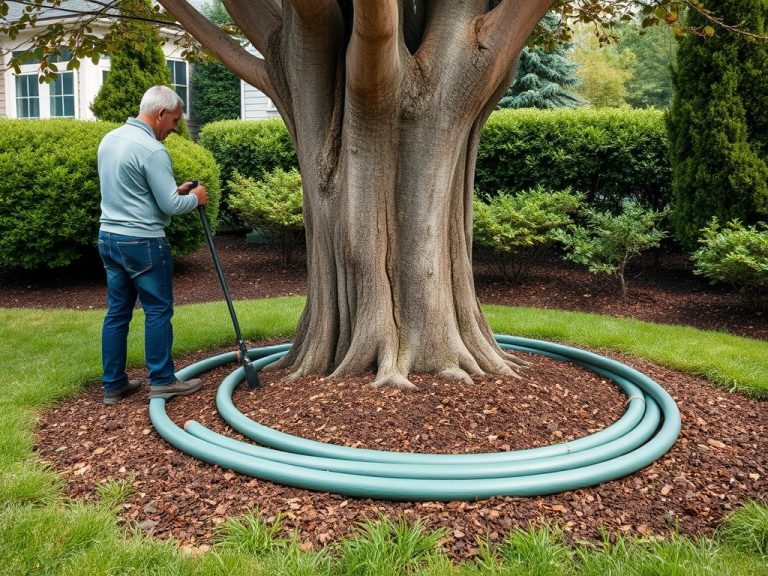
Water management matters at the same time. The article on how to deep water trees and shrubs correctly addresses the root-zone moisture side of plant establishment. Correct pH cannot compensate for chronic overwatering or drought.
Common pH Mistakes
Amending without a test: The garden may not need the change at all.
Assuming a yellow plant needs iron: Yellowing has many possible causes, including root damage, disease, water stress, and nutrient issues unrelated to pH.
Using one sample for the whole property: Different beds can have different soils, amendments, and histories.
Changing pH too aggressively: Large corrections can stress plants and alter nutrient availability.
Ignoring the plant: The right pH is defined partly by what you intend to grow.
What to Do With Your Soil-Test Report
Read the pH, nutrient levels, organic matter, and the laboratory’s crop-specific recommendations together. If the report recommends lime or sulfur, follow the stated rate and method. If it recommends no pH adjustment, resist the urge to make one anyway.
Retest after a reasonable interval recommended by the laboratory, especially after substantial amendments. Soil chemistry changes over time, not overnight.
Let the Test Guide the Next Move
For a beginner, the best soil-pH strategy is simple: test first, match plants to the site, and make only measured corrections supported by the report. That approach is cheaper, safer for plants, and more reliable than trying to force every bed toward a single number.
This article is for general educational purposes and does not replace local horticultural or soil-testing advice. Soil chemistry, amendment rates, and plant requirements vary by region and species. Use laboratory recommendations and local extension guidance before changing pH.