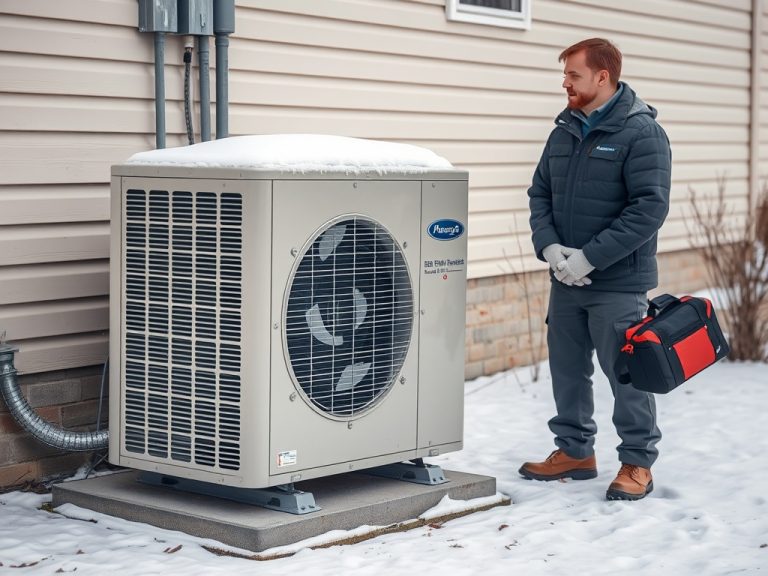
Your climate zone changes the heating, cooling, humidity, and seasonal extremes an HVAC system must handle, so the best system is not simply the model with the highest efficiency rating. A good choice starts with local weather, the home’s envelope, available fuels, ductwork, and a room-by-room load calculation.
- Climate affects how often a home needs heating, cooling, dehumidification, and cold-weather capacity.
- Equipment type matters, but sizing and distribution matter just as much as the label on the outdoor unit.
- Use climate as a screening factor, then verify the decision with a proper load calculation and local design conditions.
Climate Zone Is a Starting Point, Not a Shopping List
Climate zones group locations by broad heating, cooling, and moisture patterns. They help explain why a system that works comfortably in a hot-humid Gulf Coast house may need a different configuration than a system serving a cold northern home or a dry high-desert property. The zone does not choose the equipment for you. It narrows the questions that deserve the most attention.
The U.S. Department of Energy notes that modern heat pump systems can serve a wide range of climates, including colder regions where older air-source designs were less capable. That makes climate-based HVAC planning more nuanced than old rules such as “heat pumps are only for warm places.” Equipment performance at local winter and summer design conditions still has to be checked.
| Climate pattern | HVAC priorities to examine | Questions to ask |
|---|---|---|
| Hot and humid | Cooling capacity, latent moisture removal, runtime, duct location | Can the system control humidity without being oversized? |
| Hot and dry | Sensible cooling, solar gain, filtration, duct losses | How much heat enters through windows, roof, and leakage? |
| Cold | Low-temperature heating capacity, backup strategy, defrost behavior | What capacity remains at local winter design temperatures? |
| Mixed | Shoulder-season control, both heating and cooling loads | Will the system operate efficiently across changing seasons? |
| Marine or mild | Part-load operation, moisture, ventilation | Can the system avoid short cycling during long mild periods? |
Heating Demand Changes the Equipment Conversation
In a heating-dominated climate, the main question is not only whether a heat pump can run when it is cold. The useful question is how much heating capacity the selected model provides at the temperatures the home actually experiences, and what happens when outdoor conditions fall below the equipment’s comfortable operating range. Some homes may use a cold-climate heat pump, some may pair a heat pump with supplemental heat, and others may retain a furnace-based system where fuel availability, electrical capacity, economics, or local constraints favor that approach.
If you are comparing technologies, keep the discussion connected to the house itself. A leaky home with weak insulation can have a very different load from a tighter home next door, even in the same climate zone. The related guide on the role of air sealing in HVAC performance and sizing explains why envelope work can change the load a replacement system must serve.
Cooling and Humidity Can Pull in Different Directions
Hot climates are not all alike. In a hot-dry climate, the cooling problem is dominated by heat gain. In a hot-humid climate, the system also has to remove moisture. Oversizing can be especially troublesome because a powerful air conditioner may satisfy the thermostat quickly and shut off before it has run long enough to manage humidity well.
That is why “bigger” is not a climate strategy. The Air Conditioning Contractors of America identifies Manual J residential load calculation as the ANSI-recognized procedure used to estimate heating and cooling loads for homes. A load calculation considers factors such as outdoor design conditions, windows, insulation, infiltration, ventilation, and duct effects rather than relying on square footage alone.
Distribution Matters as Much as Equipment Type
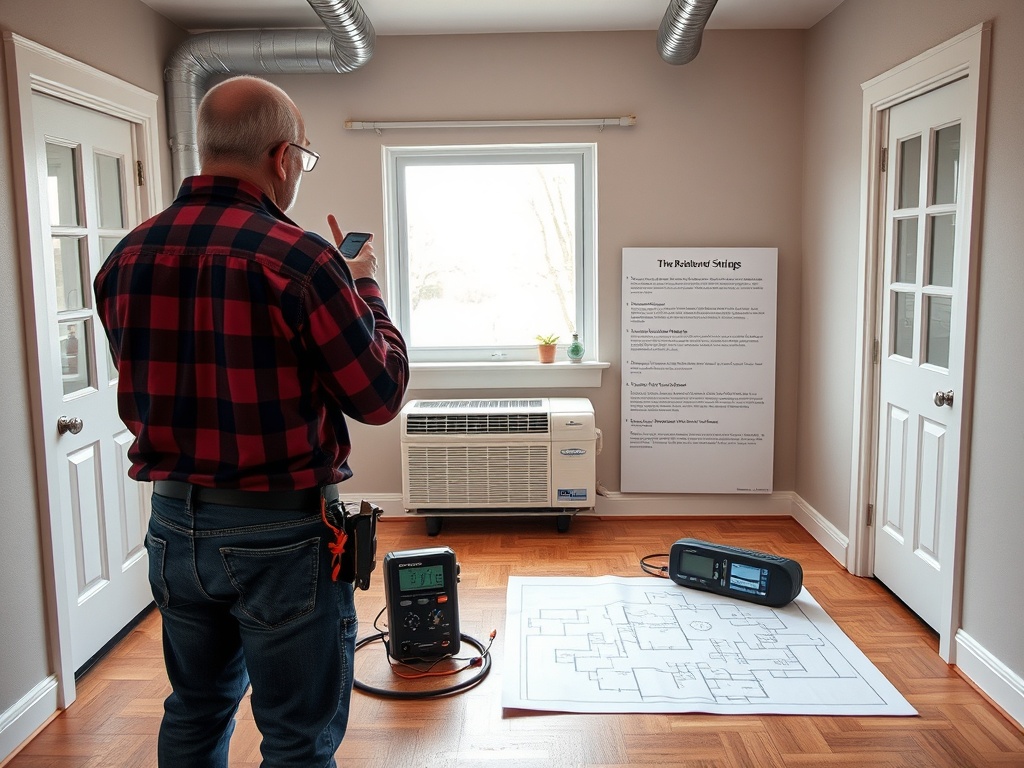
A climate-appropriate outdoor unit can still disappoint if the air distribution system is poorly matched to the building. Ducts in a hot attic face different losses than ducts inside conditioned space. Long runs to upper floors can create uneven temperatures. Return-air limitations can restrict airflow. Closed interior doors can change room pressure and comfort. These issues may show up as “the HVAC cannot keep up” even when the equipment itself is technically capable.
Homes with strong room-to-room load differences may benefit from a zoning discussion during replacement, especially when upper floors, additions, large glass exposures, or different occupancy schedules create persistent comfort conflicts. That is a separate design question from climate selection, so zoning should be evaluated from room loads, duct design, controls, and occupancy patterns rather than assumed necessary for every replacement.
Ventilation and Indoor Air Quality Shift With Weather
Climate also affects how a home exchanges air with outdoors. In humid areas, uncontrolled outdoor air leakage can add moisture. In very cold areas, dry winter air can become a comfort issue. Wildfire smoke, pollen, dust, and other regional conditions may influence filtration and ventilation decisions. The HVAC system is part of the solution, but source control, envelope tightness, and dedicated ventilation can matter too.
Do not treat an air-cleaning accessory as a substitute for a sound ventilation plan. For example, UV light systems for HVAC address a different problem from outdoor-air exchange and particulate filtration. Climate planning works best when these functions are separated and then coordinated.
A Practical Decision Framework Before Requesting Quotes
- Identify the local climate pattern and the winter and summer conditions that drive peak loads.
- Document the house: floor area, insulation, window type, orientation, leakage concerns, additions, duct locations, and major comfort complaints.
- Ask for a load calculation rather than a replacement based only on the old unit’s tonnage or furnace input.
- Compare equipment using performance at relevant outdoor temperatures, not only seasonal ratings.
- Review duct airflow, return paths, filtration, ventilation, and humidity control as part of the system design.
- Check electrical service, fuel availability, condensate routing, outdoor-unit placement, and local permitting before finalizing a system type.
- Compare proposals on design assumptions and scope, not just equipment brand and price.
If you leave home for long stretches during extreme seasons, climate affects the protection settings you use as well. A vacation HVAC checklist can help you think through thermostat, drainage, power, and monitoring before a trip.
The Best System Is the One Designed for the House in Its Climate
Climate zone is useful because it tells you what kinds of weather the HVAC system must survive and manage repeatedly. It is not precise enough to replace a load calculation, equipment selection data, duct evaluation, or local code review. Two houses in the same ZIP code can need different systems because their envelopes, orientations, ducts, occupancy, and electrical or fuel constraints are different.
For a replacement or new installation, take the climate questions above to a licensed HVAC contractor and ask the contractor to show how the proposed system addresses local design conditions, room loads, airflow, and moisture. That produces a more defensible decision than choosing equipment from a climate label alone.
This article is for informational and educational purposes only and does not constitute professional HVAC, electrical, structural, code, or legal advice. Consult a licensed HVAC contractor or other qualified professional for system-specific guidance.