

Deluxe albums, reissues, and anniversary editions drive streaming by turning older recordings into new release events. They give platforms fresh metadata, fans new reasons to listen, and labels a lower-risk way to extend catalog life.
Catalog Growth Brief
- A reissue is not only a nostalgia product; it is also a discovery tool for streaming algorithms and editorial playlists.
- Bonus tracks, demos, remasters, liner notes, and vinyl tie-ins can bring old material into current fan conversation.
- The best campaigns respect the original work while giving listeners a clear reason to return.
Why catalog can behave like a new release
Recorded music keeps earning long after its first week. The IFPI Global Music Report 2026 describes paid streaming as a major driver of recorded music growth, which helps explain why labels care deeply about catalog activity. When an older album receives a deluxe edition, it can appear again in release calendars, playlist pitches, social posts, and fan discussions.
For beginners, the key distinction is that a deluxe edition changes the commercial frame around existing music. The songs may be familiar, but the package is new. A remaster can promise improved sound, a demo can reveal process, a live track can widen context, and an anniversary edition can turn memory into a marketing date.
Industry transparency projects such as Spotify Loud & Clear explain that streaming royalties flow through rights holders and distributors before reaching artists and songwriters. That means a catalog push is not only about vanity metrics. It can affect how money circulates through older recordings, publishing, label deals, and artist estates.
The fan psychology behind bonus material
Fans often want closeness to the making of a favorite work. Demos, alternate takes, studio chatter, artwork, essays, and restored video can make an album feel less sealed off. This is not the same as saying every vault track is essential. Some additions are historically useful; others mainly serve completists.
The strategy also resembles television cadence. As explained in How Weekly Release Schedules Change Fan Engagement and Retention, repeated release moments keep a title in public conversation. A music campaign can do the same by staging singles, visualizers, interviews, physical editions, and playlist placements over several weeks.
Anniversary timing is powerful because it gives fans permission to revisit their own memories. A 10th, 20th, or 50th anniversary is a simple story hook. The danger is overpackaging. If the edition feels padded, expensive, or environmentally careless, loyal fans may see it as extraction rather than celebration.
What gets measured in a successful reissue
| Edition type | Main value for fans | Business use |
|---|---|---|
| Deluxe edition | More tracks, demos, remixes, or expanded context. | Refreshes release momentum and playlist potential. |
| Anniversary edition | A time-based reason to revisit a loved album. | Creates a clean marketing hook and press angle. |
| Remaster | Potential sound improvement or format upgrade. | Encourages catalog rediscovery and premium physical sales. |
| Box set | Archival depth for committed fans. | Higher-price product with collector appeal. |
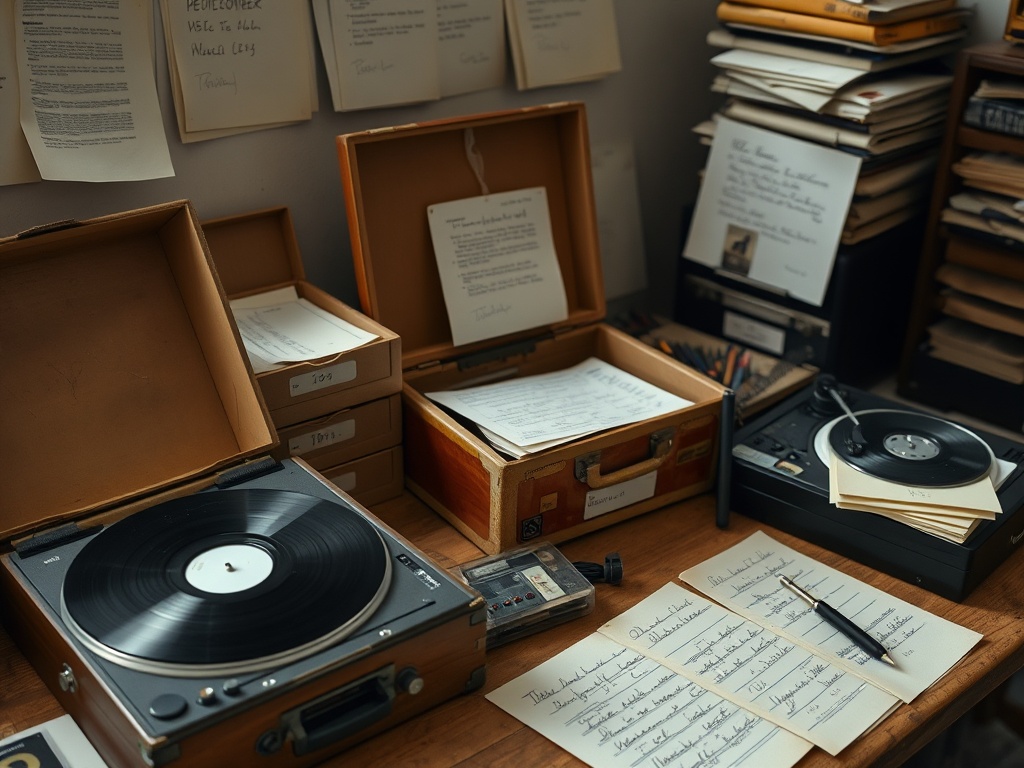
Where the business logic meets creative care
The RIAA 2025 recorded music revenue report points to streaming as an important part of recorded music revenues while also showing the continuing role of physical formats. That combination matters because many deluxe campaigns work across both digital and physical channels. A fan may stream the bonus tracks, buy vinyl for the object, and share clips from a restored video.
Rights can make the work complicated. Master recordings, publishing, samples, guest performances, video footage, artwork, and estate permissions may all affect what can be released. For a broader look at participation and revenue language across entertainment, see How backend participation works in film, TV, and creator-led productions.
Reissues also cross borders. A song cleared in one territory may face a different approval process elsewhere, just as films face different systems in How Film Ratings Work Across Countries and Why They Differ. That is why global campaigns need legal, archival, editorial, and fan-community planning.
How to tell celebration from simple repackaging
A thoughtful reissue gives listeners a reason to understand the original work more clearly. That reason might be restored audio, a careful essay, a sequence of demos that shows how songs changed, previously unavailable live material, or archival visuals that document the era. The added material does not need to be polished; it needs to be meaningful.
A weak reissue leans only on scarcity, color variants, or a round-number anniversary without improving context. Collectible packaging can be enjoyable, but it should not be the only idea. Fans increasingly notice when a campaign asks them to buy the same core album many times with minor differences. That can create short-term activity while weakening trust.
For artists and labels, the best practice is to make the edition legible. Explain what is new, what is remastered, what was previously unreleased, who approved the material, and how it relates to the original album. For listeners, the practical test is whether the new edition changes your understanding, your access, or your listening experience. If it does, streaming can become a form of rediscovery rather than background consumption.
How listeners can decide what version to play first
When an album has many editions, start with the original sequence if you are new to the work. The first release usually shows the artistic and commercial decision that audiences first encountered. After that, a remaster, deluxe edition, or anniversary package can add useful context.
Returning fans can take a different path. They may start with demos, live versions, or alternate mixes because they already know the core album. This is where deluxe editions create value: they let different listener groups enter through different doors without replacing the original.
Be cautious with playlists that strip bonus tracks away from their context. A demo may sound weak if judged like a finished single, but fascinating if heard as evidence of process. The best listening order depends on your goal: discovery, study, nostalgia, collecting, or casual enjoyment.
The best reissues earn the return visit
A strong deluxe campaign answers one question clearly: why should someone listen again now? If the answer is context, sound, access, or genuinely meaningful bonus material, the reissue can feel like preservation rather than recycling.