
Physical media usually protects access better when the disc, player, and storage conditions remain usable. Digital libraries are more convenient, but access can depend on licenses, accounts, storefront policies, device support, and internet availability.
Access Protection Matrix
- Physical copies provide local control but require space, care, and working playback hardware.
- Digital libraries reduce clutter and improve convenience, but many purchases are licenses rather than unrestricted ownership.
- The strongest access plan often combines physical favorites, digital convenience, and good records of what you own.
What access protection really means
The access question is not only physical versus digital. It is control versus dependency. The FTC consumer alert on digital items warns consumers to check what they really receive when they click buy for digital items, because access may depend on license terms. That concern applies to movies, shows, games, music, ebooks, and apps.
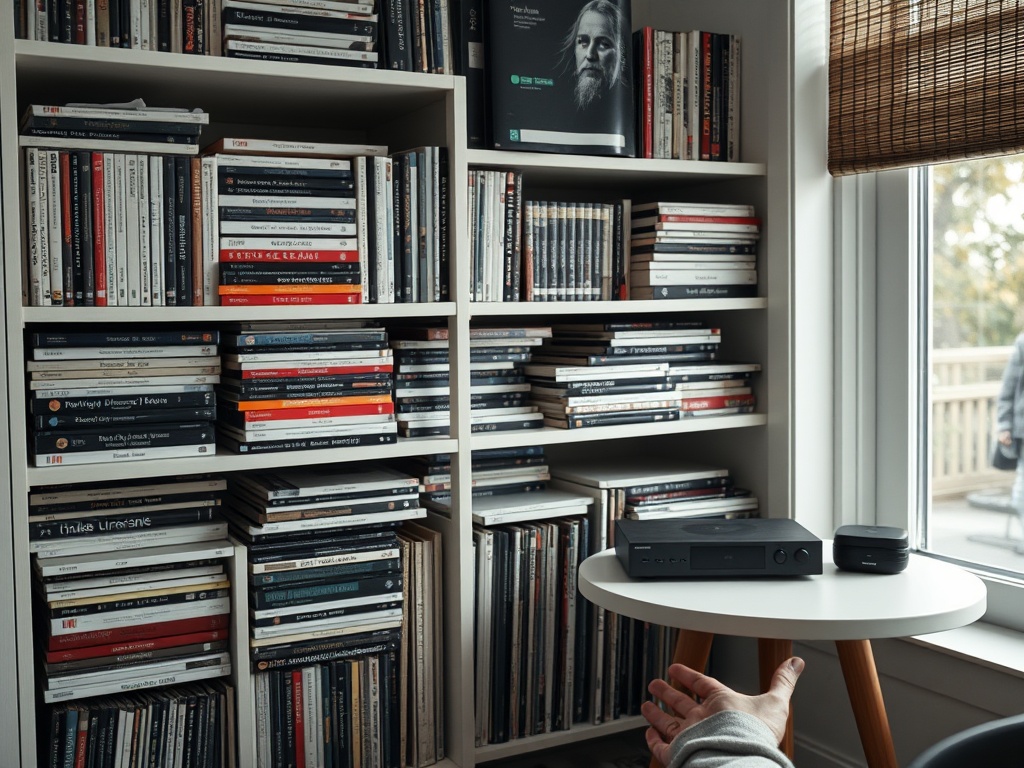
Physical media has dependencies too. A Blu-ray needs a disc in good condition and a compatible player. A vinyl record needs proper handling and equipment. A printed art book needs climate-aware storage. But the core object is in your possession, so the seller cannot remotely remove it from a library account.
Preservation institutions treat format, storage, metadata, and migration as part of access. The Library of Congress digital preservation describes digital preservation as a set of ongoing practices, not a one-time download. For personal collections, the lesson is to plan for change before a platform, drive, or device fails.
Convenience is not the same as control
Digital libraries win on speed. You can search, stream, download, sync across devices, and avoid shelves of plastic cases. For many viewers, that convenience is worth the risk, especially for casual titles they may watch once. The problem is assuming convenience equals permanent ownership.
Physical media wins when the title matters enough to protect. This is especially clear for films with changing availability, alternate cuts, extras, commentary tracks, or packaging that carries cultural context. It also connects to How Film Ratings Work Across Countries and Why They Differ, because different editions and markets may carry different labels, cuts, or content notes.
Release schedules influence perceived access too. When a weekly show builds habit, as explained in How Weekly Release Schedules Change Fan Engagement and Retention, viewers may assume the platform relationship will last. Later removals can make that assumption feel wrong.
Side-by-side access comparison
| Approach | Access strength | Main weakness |
|---|---|---|
| Physical disc or record | Local control if the item and player survive. | Storage, wear, region locks, and hardware aging. |
| Digital purchase | Convenient library and fast playback. | License terms, account loss, storefront changes. |
| Subscription streaming | Huge catalog with low friction. | Titles rotate and access ends with subscription. |
| Personal digital backup | Control over files and metadata. | Requires organization, redundancy, and migration. |
A practical hybrid collection strategy
Start by sorting your collection into three groups. First are essential works you would be upset to lose. Buy or keep physical copies when available, and store them well. Second are convenience titles that can live digitally. Third are archival personal files that need backups, clear naming, and migration planning. The Library of Congress collections care is a useful starting point for thinking about storage and handling of physical materials.
For discs and records, keep them away from heat, moisture, direct sunlight, and careless stacking. For digital files, keep more than one backup and avoid relying on a single account. For purchased digital libraries, save receipts and understand whether downloads can be played outside the store app.
Music reissues show why formats coexist. As How Deluxe Albums, Reissues, and Anniversary Editions Drive Streaming explains, a deluxe campaign may drive streaming while also selling physical editions to collectors. Access, sound, object value, and emotional attachment can all matter at once.
A simple access audit for your own collection
List the titles, albums, games, books, or recordings you would actively miss if they vanished from a platform. Those are your preservation candidates. For each one, ask whether you own a physical copy, whether the digital version can be downloaded, whether the download plays without a specific app, and whether replacement copies are affordable.
Next, check the weak points. Physical media can fail through scratches, heat, sunlight, moisture, disc rot, region incompatibility, or lack of playback hardware. Digital libraries can fail through account loss, store closure, rights changes, format obsolescence, forgotten passwords, and device restrictions. The right answer may be different for a favorite film, a rare concert recording, a family video, and a casual comedy rental.
Finally, document your collection. Keep receipts for expensive digital purchases, photograph valuable physical items, note edition details, and keep backups of personal files in more than one place. Access protection is less about one perfect format and more about reducing single points of failure. Convenience is useful; redundancy is safer.
When digital is the better practical choice
Digital access is not inferior in every situation. It is often better for travel, small living spaces, accessibility features, quick search, and casual discovery. A person who moves often may get more real use from a well-organized digital library than from boxes of discs they rarely unpack.
Digital can also improve access for people who need captions, audio descriptions, adjustable playback, or multiple devices. The weakness is not the format itself; it is the dependency on licenses and platforms. A downloaded file with clear rights and backups is very different from a stream that disappears when a subscription ends.
That is why the best decision is title by title. Keep durable copies of works that matter deeply, use streaming for sampling, and use digital purchases when convenience matters more than permanence. The goal is not format purity. It is reliable enjoyment.
Protect what you would miss most
Use digital libraries for convenience, but do not confuse a licensed account with a personal archive. For the works that matter most, keep a physical copy, a backup plan, or both.