
Direct answer: most owners can safely handle basic checks and simple maintenance such as tire pressure, fluid level inspections, wiper replacement, cabin air filters, battery terminal cleaning, and bulb checks. Jobs involving brakes, steering, suspension, airbags, high-voltage systems, refrigerant, or uncertain lifting points are better left to trained professionals unless the owner has the right tools and experience.
TL;DR: The first rule of DIY maintenance is to follow the owner’s manual, not a random schedule. Vehicles vary by engine, drivetrain, tire size, fluid specification, jack point, and warning-light behavior. A safe home task should be reversible, low-risk, and easy to verify afterward. If a mistake could affect braking, steering, crash protection, or fire risk, the job belongs in a more controlled setting.
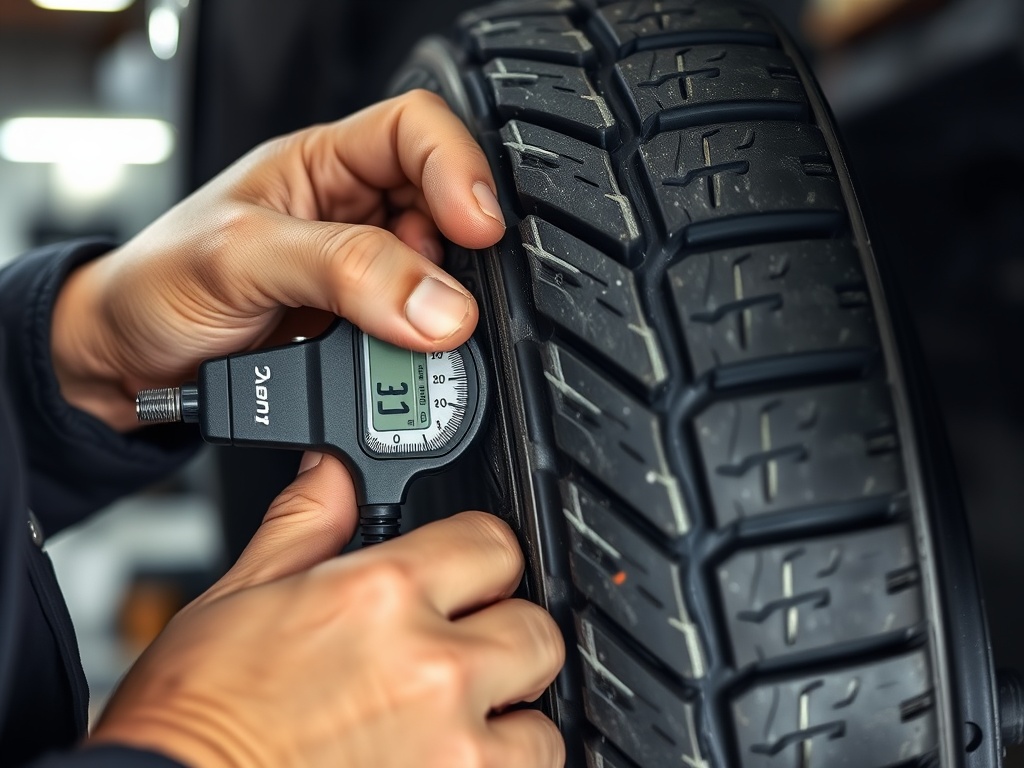
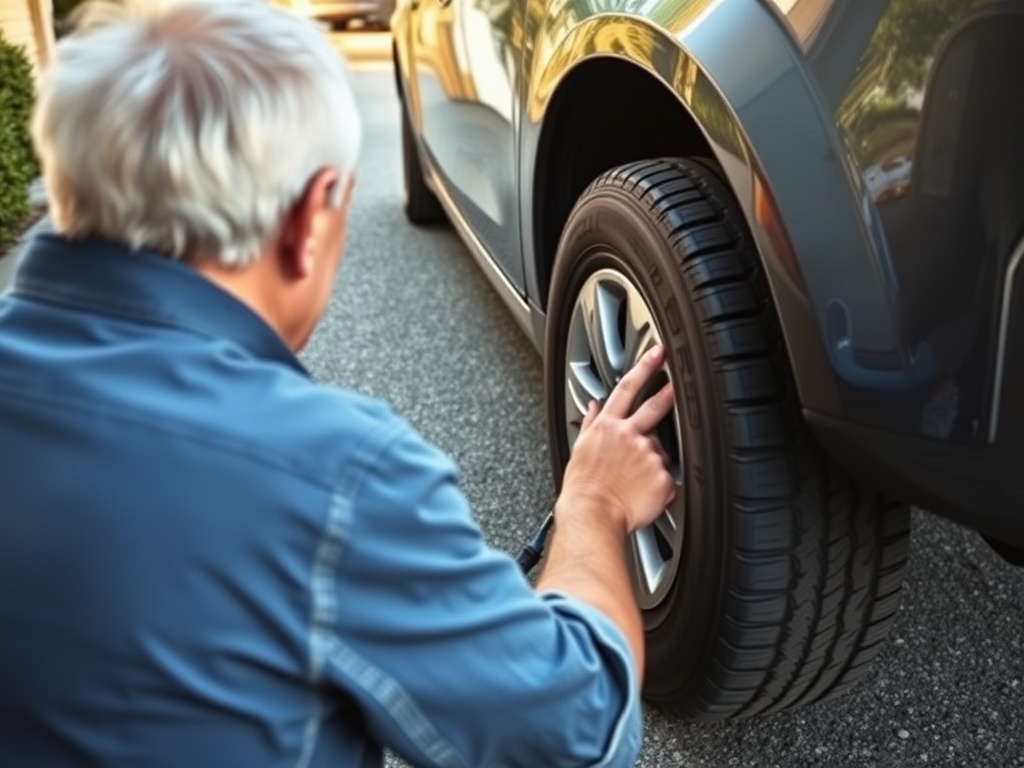
- Tire pressure is one of the best home maintenance habits. Use a quality gauge when tires are cold and set pressure to the placard on the vehicle, not the maximum number molded into the tire sidewall. While you are there, look for nails, sidewall bulges, cracks, uneven wear, and missing valve caps. Tire pressure monitoring systems help, but they are not a substitute for direct inspection.
Home Maintenance Tasks That Stay Low Risk
Tire pressure is one of the best home maintenance habits. Use a quality gauge when tires are cold and set pressure to the placard on the vehicle, not the maximum number molded into the tire sidewall. While you are there, look for nails, sidewall bulges, cracks, uneven wear, and missing valve caps. Tire pressure monitoring systems help, but they are not a substitute for direct inspection.
Wiper blades are usually safe for beginners. Lift the arm carefully, protect the glass with a towel, match the connector type, and test the blades with washer fluid before driving in rain. Washer fluid top-offs are also simple, but avoid pouring coolant, brake fluid, or other fluids into the wrong reservoir. Many expensive problems begin with a bottle in the wrong opening.
Cabin air filters and engine air filters are often DIY-friendly, though access varies. The owner’s manual or a reputable parts guide can confirm the location. Do not force clips or glove-box dampers. A filter installed backward, crushed, or poorly sealed can reduce airflow or allow debris past the filter. Take a photo before removing the old one if the housing layout is unfamiliar.
The nonprofit Car Care Council offers broad consumer education through its vehicle care resources, which can help owners build a maintenance habit around inspection rather than guessing.
When a task reveals uneven tread or vibration, move from home checking to diagnosis with guidance like spotting suspension problems from tire wear instead of simply replacing parts.
DIY Limits, Tools, and Safety Boundaries
| DIY-friendly task | Reasonable owner skill level | Stop and call a pro if… |
|---|---|---|
| Tire pressure and tread check | Beginner | Sidewall damage, cords, or rapid pressure loss appears |
| Wiper blade replacement | Beginner | Arm or connector is damaged |
| Cabin air filter | Beginner to intermediate | Housing clips or glove-box parts resist removal |
| Oil change | Intermediate | Vehicle cannot be lifted safely or drain plug is damaged |
| Brake work | Advanced only | Pedal feel, ABS, parking brake, or bleeding is involved |
Battery care can be simple or risky depending on the vehicle. Cleaning light corrosion from terminals on a conventional 12-volt battery may be manageable with eye protection and basic tools. Modern vehicles with battery monitoring systems, stop-start technology, or hidden batteries may require registration, reset procedures, or specific replacement steps. Hybrid and electric high-voltage components are not DIY territory.
Fluid checks are useful, but fluid changes are a different category. Owners can usually inspect engine oil level, coolant level in the marked reservoir, washer fluid, and sometimes brake fluid level. Opening a hot cooling system, bleeding brakes, servicing A/C refrigerant, or guessing fluid specifications can create safety and environmental problems. When in doubt, document the observation and ask a shop.
The safest DIYers treat preparation as part of the job. They gather the correct tools, read the procedure first, work on a stable surface, use eye protection, and stop when fasteners, clips, or access points do not behave as expected. Forcing parts is not persistence; it is how simple jobs become repairs.
Documentation is an underrated DIY habit. Keep receipts for oil, filters, wipers, bulbs, and fluids, and note the date and mileage. Those records help with resale and make it easier for a shop to understand what has already been done.
A good rule is to avoid any job where failure would immediately reduce control of the vehicle. If the task affects braking, steering, wheel retention, airbags, high-voltage safety, fuel leaks, or cooling-system pressure, experience and equipment matter more than online confidence.
Home maintenance should never begin with a lifted vehicle unless the owner understands support points and has rated equipment. A driveway jack is for lifting, not holding. Stands, wheel chocks, level ground, and patience matter because the most dangerous DIY mistakes often happen before the repair begins.
Beginners should also avoid mixing fluids across brands or specifications just because containers look similar. Coolant types, oil grades, brake fluids, and transmission fluids are not universal. The correct specification from the manual matters more than shelf availability.
When a home task goes well, do not automatically move to the next difficulty level. Skill grows with repetition, not with skipping safety steps. Build confidence through inspections, filters, wipers, pressure checks, and recordkeeping before attempting work that affects vehicle control.
If a DIY attempt stalls, reassemble safely or arrange towing rather than improvising. A half-finished repair in a driveway can become more expensive if fasteners are lost, seals are damaged, or the vehicle is driven before the system is verified.
For any job beyond your comfort level, the better move is to use shop-selection questions before authorizing work.
Building a Sensible Owner Routine
DIY oil changes can be done safely by experienced owners with ramps or stands, correct oil, a torque-aware approach to the drain plug, and legal recycling access. For beginners, the real risks are poor lifting, stripped drain plugs, wrong oil, double-gasketed filters, spills, and underbody panels not reinstalled correctly. Convenience may make a shop visit more sensible even when the task is technically simple.
A good home maintenance routine ends with verification. Check for leaks, warning lights, abnormal noises, loose panels, and proper operation. Keep receipts and notes because records support resale, warranty discussions, and future diagnosis. DIY is not about proving independence from shops. It is about handling low-risk care well and knowing when professional service protects the vehicle and the driver.
What is the easiest useful DIY task?
Checking tire pressure and visible tire condition is simple, low cost, and safety related. It also helps prevent uneven wear and poor fuel economy.
Can I change my own oil?
Some owners can, but only with safe lifting, correct oil, proper disposal, and care around the drain plug and filter. Convenience and risk often make shop service worthwhile.
What should beginners avoid?
Avoid brake hydraulic work, suspension disassembly, airbag areas, refrigerant service, high-voltage systems, and any task requiring uncertain lifting points.
Practical next step: Match the symptom to evidence, keep service records, and approve the repair path only after the shop explains what was tested, what was found, and what result should be verified afterward.