The best mulch for weed control is usually a material that forms a continuous light-blocking layer, suits the planting area, and can be maintained at an effective depth without harming stems or trunks. Coarse wood chips are an excellent all-purpose choice for many landscape beds, while clean straw can work well in vegetable gardens and shredded leaves can be practical where they are locally available.
TL;DR: Remove established weeds first, apply an appropriate mulch in a continuous layer, keep it away from trunks and crowns, and replenish it as it decomposes or thins. Mulch suppresses many new weed seedlings by blocking light, but it does not eliminate perennial weeds or prevent every windblown seed from germinating on top.
How Mulch Suppresses Weeds
Most weed seeds need favorable moisture, temperature, and light conditions to germinate and establish. A mulch layer changes those conditions by shading the soil surface and creating a physical barrier.
The University of Minnesota Extension guide to mulching for soil and garden health explains that mulch reduces weed emergence primarily by limiting light at the soil surface. It also notes that organic mulches decompose over time, adding organic matter while requiring periodic renewal.
Mulch is prevention more than rescue. If perennial weeds such as bindweed, quackgrass, nutsedge, or established thistles are already rooted in the bed, they may grow through the mulch. Remove or control existing weeds before spreading material.
Mulch Types Compared
| Mulch | Best Use | Weed-Suppression Strength | Main Tradeoff |
|---|---|---|---|
| Coarse wood chips | Trees, shrubs, perennial beds, paths | Strong when applied continuously | Needs replenishment as it decomposes |
| Shredded bark | Ornamental beds | Strong and visually tidy | Can knit tightly or wash on slopes depending on product |
| Clean straw | Vegetable gardens | Good seasonal suppression | Can blow, mat, or contain weed seed if low quality |
| Shredded leaves | Woodland-style beds and vegetable gardens | Good when chopped and layered | Whole leaves may mat and reduce air movement |
| Grass clippings | Vegetable rows in thin dry layers | Moderate | Thick wet layers can mat and smell |
| Compost | Soil surface and beds needing organic matter | Limited as a stand-alone weed barrier | Fine texture can support weed germination on top |
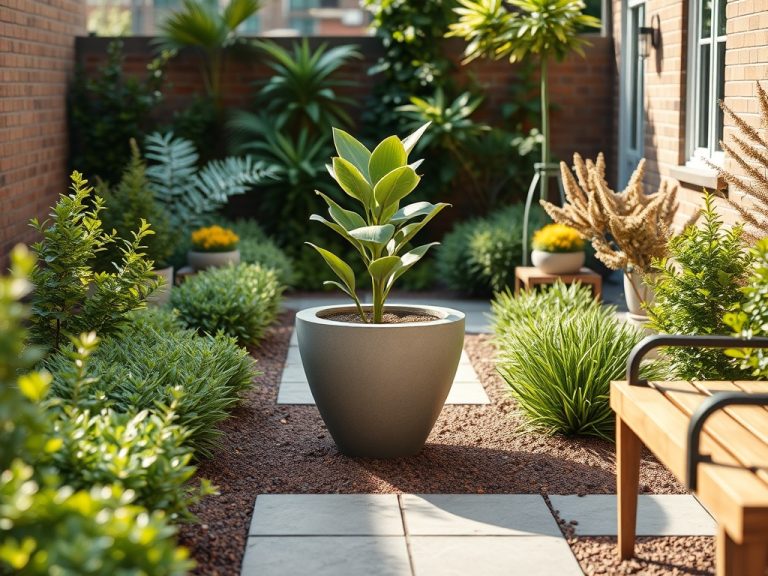
| Stone or gravel | Specific dry landscapes and hardscape edges | Long-lasting surface cover | Heat, removal difficulty, and weed growth in accumulated debris |
This comparison is about general garden use. Fire-prone landscapes, pest issues, local invasive species, and municipal rules can change which material is appropriate.
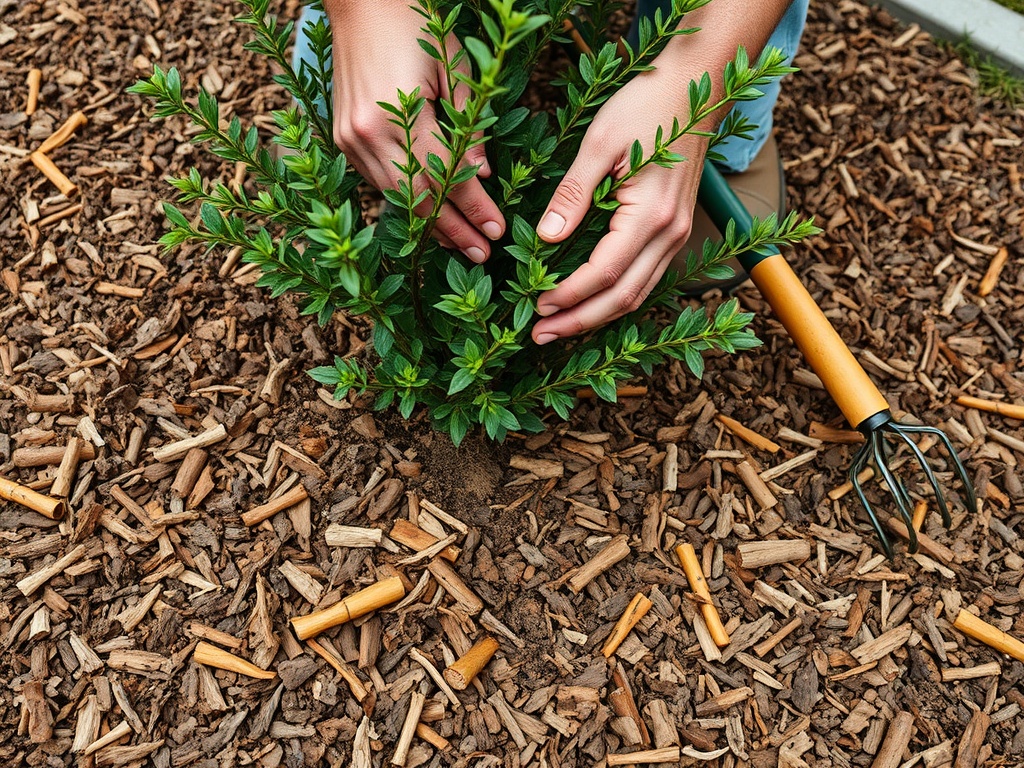
Coarse Wood Chips: Best All-Around for Landscape Beds
Wood chips are durable enough to shade soil for an extended period and porous enough to let water and air move through when applied correctly. They work especially well around established trees, shrubs, and perennial beds.
University of Minnesota Extension generally recommends an organic mulch layer in a moderate depth range rather than a deep mound. Keep mulch pulled back from trunks and crowns. Piling it against bark can hold moisture where the plant is not adapted to stay wet.
For trees and shrubs, mulching also helps reduce competition with turf. Mulch and irrigation should be coordinated rather than treated as unrelated tasks. Soil chemistry remains a separate decision, and the Beginner’s Guide to Soil pH explains when testing should guide amendments.
Shredded Bark: Best for a Finished Ornamental Look
Shredded bark provides a consistent appearance and can stay in place better than large chips in some beds. It is useful around foundation plantings and ornamental shrubs where appearance matters.
Because products vary in particle size and composition, avoid assuming every bag behaves the same way. Very fine material can form a denser surface. Check moisture below the mulch after irrigation to confirm water is reaching the soil.
Do not place landscape fabric under bark by default. Fabric can interfere with soil improvement, become exposed as mulch moves, and still collect enough organic debris on top for weeds to germinate. It has specific uses, but it is not necessary in every planted bed.
Straw: Best for Seasonal Vegetable Beds
Clean straw is lightweight, easy to spread, and useful around tomatoes, squash, and other vegetable crops. It can reduce soil splash as well as weed emergence.
Choose straw rather than hay when possible because hay often contains more viable seed. Even straw quality varies, so buy from a source you trust and avoid material contaminated with persistent herbicide residues.
In smaller productive spaces, container vegetable gardening for patios and balconies may require little or no mulch because the potting mix surface is small. In large containers, a thin suitable mulch can still moderate moisture, but it should not keep the root zone constantly wet.
Shredded Leaves: Best for Using a Local Resource
Autumn leaves can become useful mulch instead of waste. Shredding them reduces matting and helps them settle into beds. They fit naturally under trees, around shrubs, and in informal garden areas.
Avoid piling thick layers of intact wet leaves into a dense sheet. That can reduce air movement and make water infiltration uneven. Run leaves through a mower or shredder when practical, then apply them in a loose layer.
Leaves break down faster than coarse wood chips, so expect to replenish them more often.
Grass Clippings: Useful in Thin Layers
Untreated grass clippings can suppress small weeds in vegetable rows when applied in thin, dry layers. Thick piles can become slimy, anaerobic, or unpleasantly hot.
Do not use clippings from a lawn recently treated with a pesticide unless the product label permits that use and the required interval has passed. Herbicide residues can damage sensitive garden plants.
For many lawns, routine clippings can often remain on healthy turf rather than being exported to garden beds, provided no treatment restrictions make that inappropriate.
Stone and Gravel: Long-Lasting but Not Maintenance-Free
Rock mulch does not decompose quickly, which makes it attractive for certain dry landscapes, drainage areas, and architectural plantings. It can also heat the soil, make future bed changes difficult, and collect dust, leaves, and organic debris that eventually support weed germination.
In hot climates, dark rock around heat-sensitive plants may increase stress. Near buildings in wildfire-prone regions, local defensible-space rules may influence whether combustible or noncombustible mulch is recommended.
How Much Mulch Is Enough?
For many organic materials, a few inches is enough to suppress weeds without smothering the soil surface. University of Minnesota Extension commonly recommends roughly a 2- to 4-inch range for many garden situations, with material and plant type affecting the exact depth.
More is not always better. Deep mulch can bury stems, keep crowns wet, hide rodents, and make irrigation difficult to evaluate. Replenish only what has decomposed or moved rather than adding the same full depth every year.
Prep the Bed Before Mulching
- Pull or otherwise control established weeds.
- Water dry soil if planting conditions require it.
- Define bed edges so mulch stays in place.
- Spread material evenly rather than forming piles.
- Keep mulch off trunks, stems, and plant crowns.
- Inspect after heavy rain or wind and redistribute where needed.
For a newly designed small garden, mulch should support the composition instead of becoming the visual feature. In indoor planters, outdoor mulch advice does not automatically transfer; best hanging plants for bright indoor spaces keeps plant and potting-medium needs in the correct setting.
Choose the Material You Can Maintain
Coarse wood chips are a dependable choice for many permanent beds, straw suits seasonal vegetable production, and shredded leaves make good use of an abundant local material. The “best” mulch is the one that fits the planting, local conditions, and maintenance routine while providing a continuous weed-suppressing layer.
This article is for general educational purposes. Mulch recommendations can change in wildfire zones, pest-management areas, and specific crop systems. Follow local extension, fire-safety, pesticide-label, and municipal guidance where applicable.[/